Acting
Tatsuo Saitō
Born June 10, 1902 · Tokyo, Japan
Died March 2, 1968 · aged 65
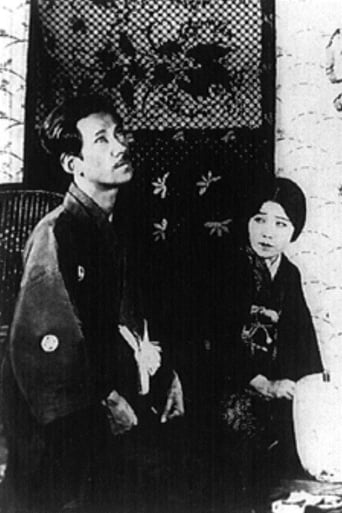
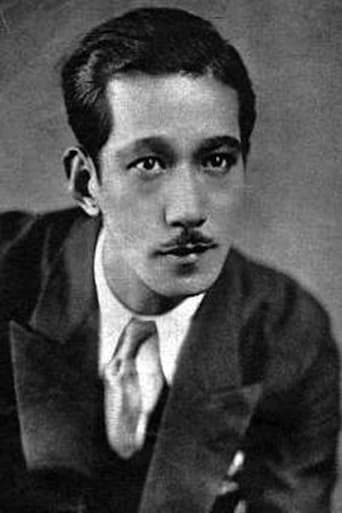
Tatsuo Saitō (斎藤 達雄, Saitō Tatsuo, 10 June 1902 – 2 March 1968) was a Japanese film actor. He appeared in more than one hundred films from 1925 to 1967.
Known For
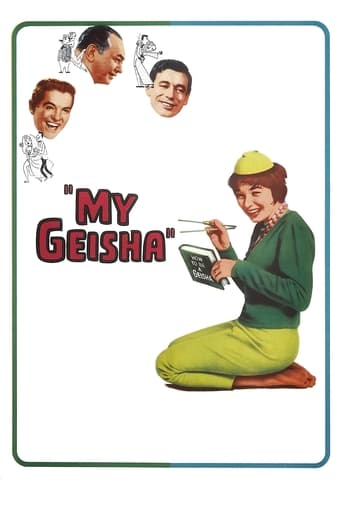 My Geisha · 1962
My Geisha
★ 6.51962
MovieComedyRomance
Famed movie director Paul Robaix breaks with tradition by not casting his actress-comedienne wife, Lucy Dell, in his latest film production, a version of Madame Butterfly. Undaunted, the resourceful Lucy wings her way to Tokyo and, masquerading as a Japanese geisha, lands the coveted role from her unsuspecting husband! But in front of the cameras (and behind the pancake makeup), Lucy faces greater challenges: her lecherous leading man - and a husband who is beginning to realize that his talented new "discovery" seems vaguely familiar...
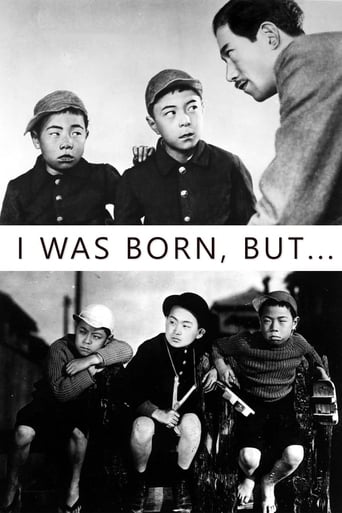 I Was Born, But... · 1932
I Was Born, But...
★ 7.51932
MovieComedyDrama
Brothers Keiji and Ryoichi move to a new neighborhood in the Tokyo suburbs after their father, an office clerk, is promoted. The boys join the local gang as lowly new kids and emerge as natural leaders after defeating a bully. While visiting the home of their father's boss, the brothers witness the ridicule their father endures to please his superior. Angry and embarrassed, the boys find their naive ideas about power being challenged.
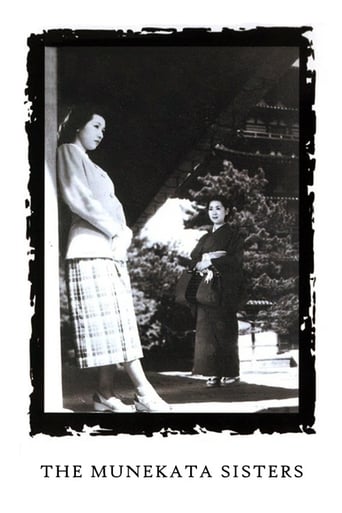 The Munekata Sisters · 1950
The Munekata Sisters
★ 7.11950
MovieDrama
Setsuko is in an unhappy marriage to Mimura, an unemployed, alcoholic engineer. She had always been in love with Hiroshi but both failed to propose when Hiroshi left for France a few years ago. But now he's back and Mariko tries to reunite them, although she too is secretly in love with Hiroshi.
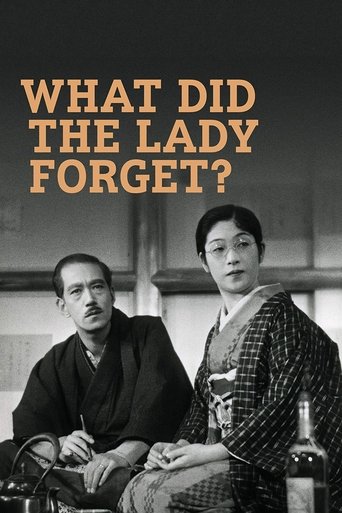 What Did the Lady Forget? · 1937
What Did the Lady Forget?
★ 6.31937
MovieDramaComedy
A professor, Komiya, and his bossy wife, Tokiko, are to look after Setsuko, their high-spirited niece from Osaka. Despite being a minor, Setsuko is a liberated woman who does whatever she wants, including smoking. She even convinces Koyima to take her to a geisha house. When she gets rather tipsy, the professor calls Okada, one of his students, to take her home. The wife becomes suspicious of Setsuko when she sees Okada bringing her home.
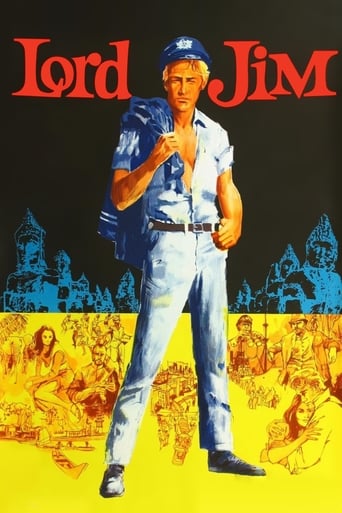 Lord Jim · 1965
Lord Jim
★ 6.81965
MovieAdventureDrama
After being discredited as a coward, a 19th century seaman lives for only one purpose: to redeem himself. Preserved by the Academy Film Archive in partnership with Sony Pictures Entertainment in 2000.
 Come Back Soon · 1957
Come Back Soon
1957
MovieDrama
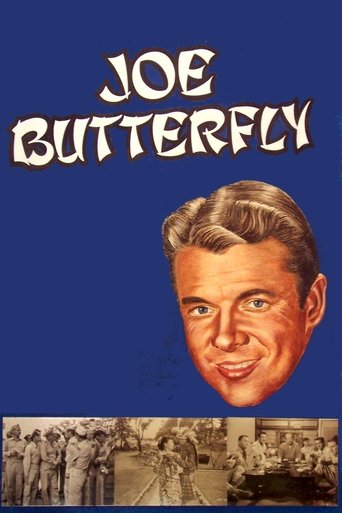 Joe Butterfly · 1957
Joe Butterfly
★ 5.71957
MovieComedy
The staff of "Yank" magazine are among the first American troops into Tokyo after the Japanese surrender. Their mission: produce an issue of the magazine...in three days. To accomplish the seeming impossible, they reluctantly enlist the aid of black marketeer and arch-conniver Joe Butterfly, who sets them up in a palatial private mansion, complete with lovely daughter -- strictly against regulations. How much trouble can our heroes talk their way out of?
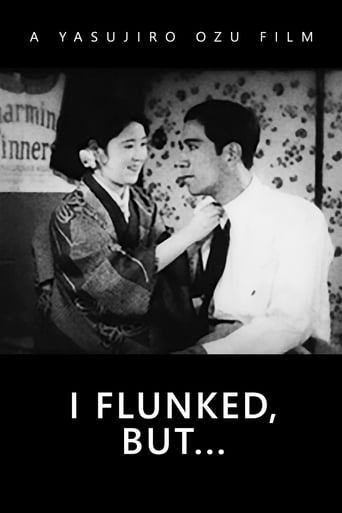 I Flunked, But... · 1930
I Flunked, But...
★ 5.91930
MovieComedy
After the plans of a group of college students to cheat on their final exams goes awry, they're left to reassess their lives and educations and get back on track.