F
Acting
František Marek
Born September 3, 1904
Died October 2, 1981 · aged 77
No biography available.
Known For
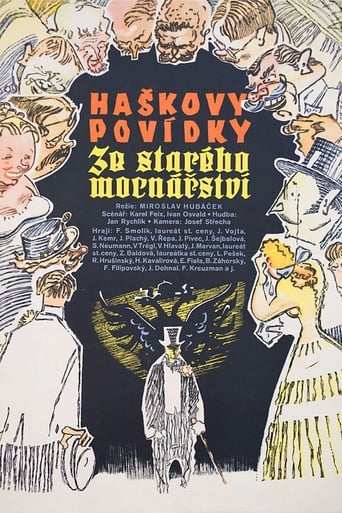
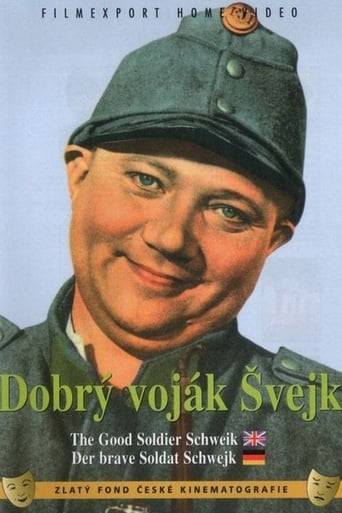 The Good Soldier Švejk · 1957
The Good Soldier Švejk
★ 7.51957
MovieComedyWar
Good-natured and garrulous, Schweik becomes the Austrian army's most loyal Czech soldier when he is called up on the outbreak of World War I -- although his bumbling attempts to get to the front serve only to prevent him from reaching it. Playing cards and getting drunk, he uses all his cunning and genial subterfuge to deal with the police, clergy, and officers who chivy him toward battle.
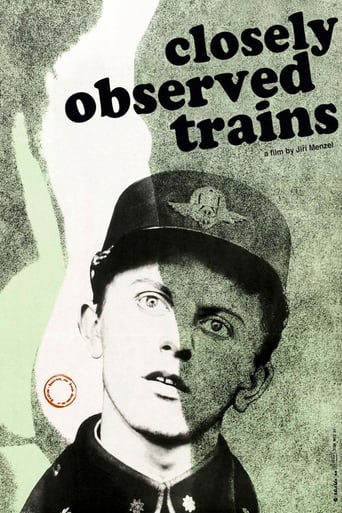 Closely Watched Trains · 1966
Closely Watched Trains
★ 7.21966
MovieComedyDrama
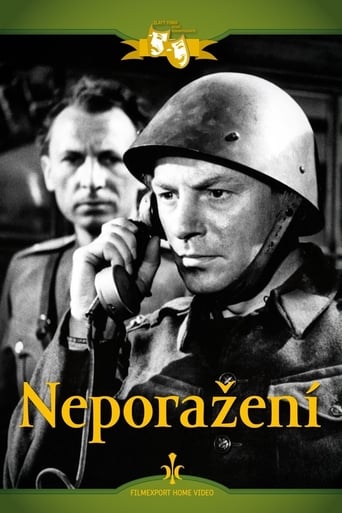
At a village railway station in occupied Czechoslovakia, a bumbling dispatcher’s apprentice longs to liberate himself from his virginity. Oblivious to the war and the resistance that surrounds him, this young man embarks on a journey of sexual awakening and self-discovery, encountering a universe of frustration, eroticism, and adventure within his sleepy backwater depot.
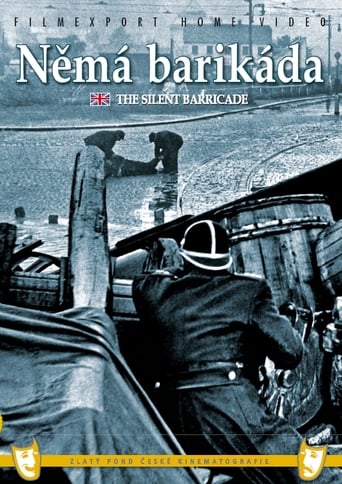
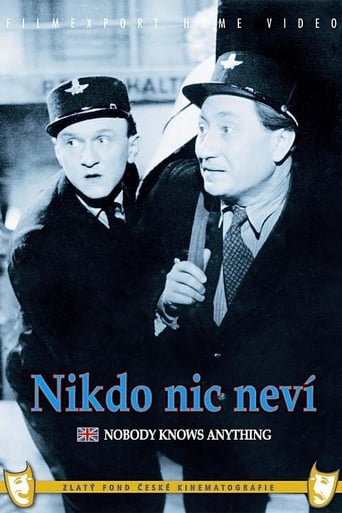 Nobody Knows Anything · 1947
Nobody Knows Anything
★ 8.51947
MovieComedy
Martin Plechatý and Petr Nový roam occupied Prague with their trams. Times are hard and sometimes survival is not easy - especially when, in an attempt to help a threatened (and charming) neighbor, you get involved with an SS man, hit him on the head and kill him. At least that's how the two friends explained the situation to each other when their opponent collapsed to the ground. What to do with the body now? An endless anabasis begins, in which even a baby stroller comes into play...
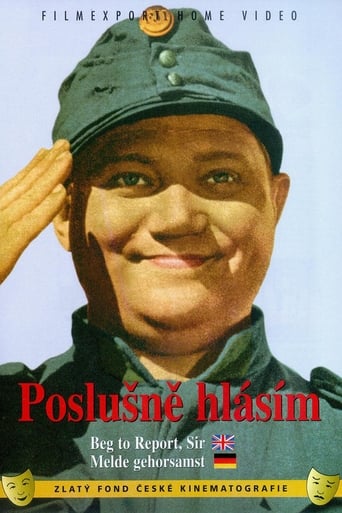 I Dutifully Report · 1958
I Dutifully Report
★ 6.91958
MovieComedyWar
A comedy based on the novel of Jaroslav Hašek's The Good Soldier Svejk happens during the World War I. I Dutifully Report: In the introduction to the second part of the film adaptation of Hašek's novel The Good Soldier Švějk presents his main character Josef Švejk. With the distinctive traditional Czech cartoon character of a soldier Svejk, this time you meet on the way to the front and eventually right in the firing line. You can look at his famous train events, and also probably the most famous episode of the novel, Švejk's Budějovice anabasis. Don't miss the scene with the secretly bought cognac, the episode with Svejk as a fake Russian prisoner of war, including the court scene, and the scene in which lieutenant Dub is caught in a brothel. Despite the criticism, Steklý's adaptation is undoubtedly the most famous and memorable at present.
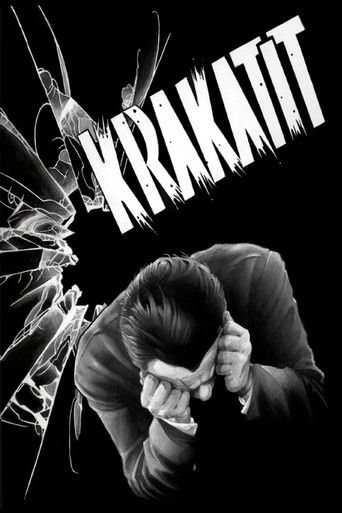 Krakatit · 1948
Krakatit
★ 6.51948
MovieDramaThriller
In Czechoslovakia, in the early 20th century, a seriously ill chemist recalls how he discovered a powerful explosive and how it ended up in the hands of anarchists.
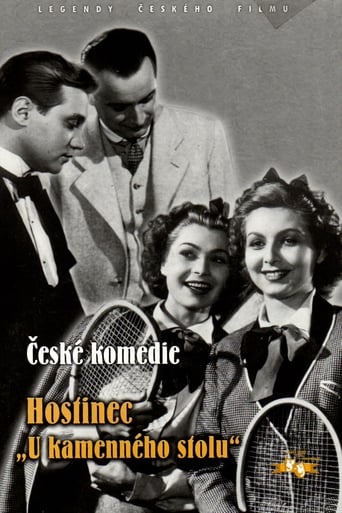 Hostinec „U kamenného stolu“ · 1949
Hostinec „U kamenného stolu“
★ 7.31949
MovieComedy
An innkeeper is grieving because his wife left him for a second-rate actor. His two nephews, who are not on speaking terms, have to take over the running of the establishment...
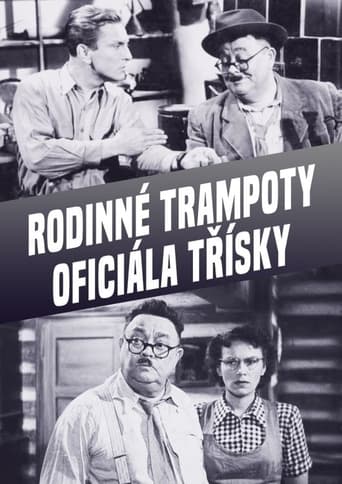 Rodinné trampoty oficiála Tříšky · 1949
Rodinné trampoty oficiála Tříšky
★ 5.61949
MovieComedy
The plump, punctual and slightly despotic Mr. Tříška worked as a housing officer, which completely damaged his psychological resilience, he is short-tempered and easily angered. The intended rest in the countryside, where he went with his whole family, however, turns out completely differently than he expected - because all the hardworking hands join together to ensure the fastest possible completion of the agricultural work, and there is also time left for his singing interests. And the main character is finally so carried away by the new environment that he eagerly joins in.
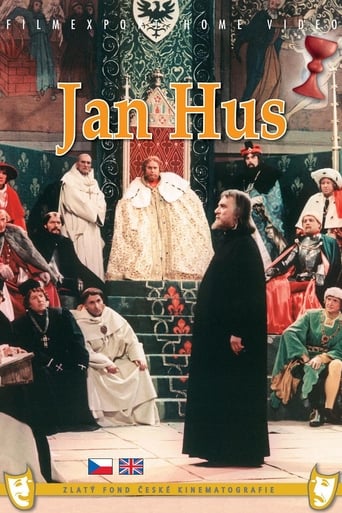 Jan Hus · 1955
Jan Hus
★ 6.31955
MovieDramaHistory
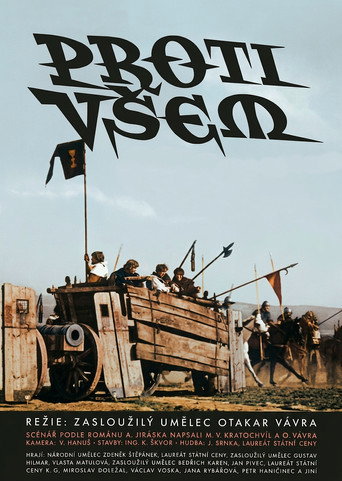
The first part of the "Hussite Revolutionary Trilogy", completed with Jan Žižka (1955) and Proti všem (Against All Odds, 1957). The film captures the period from May 1412 to the summer of 1415, a turbulent time in the Czech Kingdom, during which there were protests in Prague against the sale of "omnipotent indulgences" whose sale throughout the kingdom was announced by Pope John XXIII. The ideological leader of this movement is the preacher Master Jan Hus, whose words, calling for the elimination of church abuses, are listened to in the Bethlehem Chapel by thousands of ordinary Praguers, Czech lords and Queen Sophie, wife of the Czech King Wenceslas IV.
Filmography
Sort