Acting
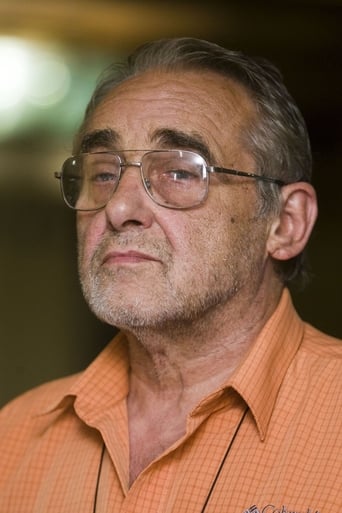
Frigyes Hollósi
Born April 21, 1941 · Budapest, Hungary
Died December 5, 2012 · aged 71
No biography available.
Known For
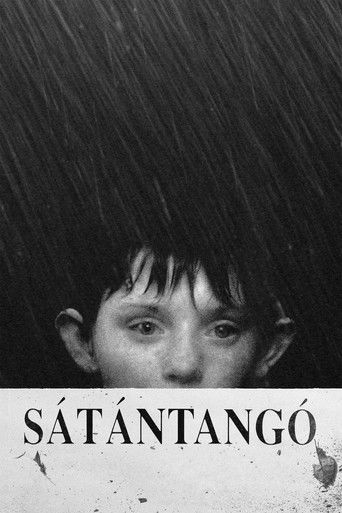 Satantango · 1994
Satantango
★ 8.11994
MovieDrama
Inhabitants of a small village in Hungary deal with the effects of the fall of Communism. The town's source of revenue, a factory, has closed, and the locals, who include a doctor and three couples, await a cash payment offered in the wake of the shuttering. Irimias, a villager thought to be dead, returns and, unbeknownst to the locals, is a police informant. In a scheme, he persuades the villagers to form a commune with him.
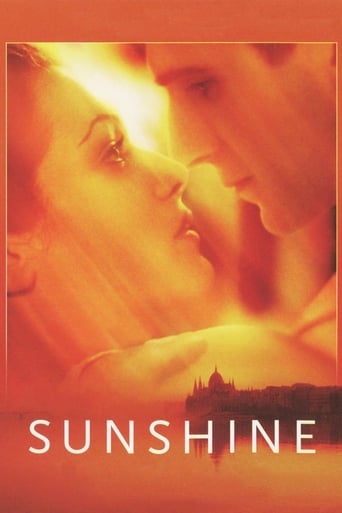 Sunshine · 1999
Sunshine
★ 6.51999
MovieDramaHistory
The fate of a Hungarian Jewish family throughout the 20th century.
 Sztornó · 2006
Sztornó
★ 7.02006
MovieDrama
Underrated in light of its current (February 4, 2007) IMDb score of 6.4, this film reminded me of what Joseph Heller's 'Something Happened' could look like if a film was to be made out of it. Our middle-aged character's life is in a fragile balance at the start and soon that balance will, of course, be disturbed. Even without much in the way of drama at first, an at times nightmarish reality intermingles with nightmares, and, typically for a movie from this region, state bureaucracy and the absurdities of a semi-legal order play a role in moving developments along. So what is it that awaits our hero down the informal road he is officially sent? Complete deconstruction? Or the 'unbearable lightness of being'? If you give the movie the time to unfold, it will reward you revealing an entertaining concept by the end.
 Hungarian Fragment · 1998
Hungarian Fragment
★ 4.31998
MovieHistoryDrama
Peter falls in love with Lena, a Bulgarian female student in the days of the 1956 revolution. They were both involved in the events of the Revolution, enthusiastically recount their experiences of an American journalist. The boy's parents leave the country, but he did not go with them.
 NEM · 1987
NEM
1987
MovieComedy
 The Fall · 1987
The Fall
★ 7.01987
MovieDrama
On a single day the fate of three couples are joined and some of them sealed.
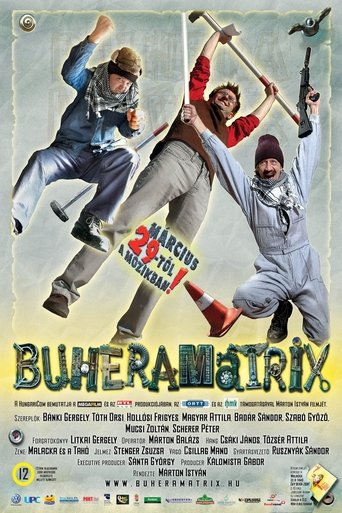 Buhera mátrix · 2007
Buhera mátrix
★ 6.12007
MovieComedy
Geri’s life flashes before him in the “Buhera Matrix,” a cringe-worthy slideshow of childhood photos from Pioneer camp to prom night. He relives the absurd clash between Mickey Mouse and socialist youth rituals, debates the perfect horse-chestnut hole size and survives the notorious fruit-game initiation. As the disastrous graduation and its Bavarian-style sacrifices cap off his painfully vivid memories, the film spins forward through Hungary’s late-20th-and-early-21st-century history through the eyes of a ’70s-born generation.
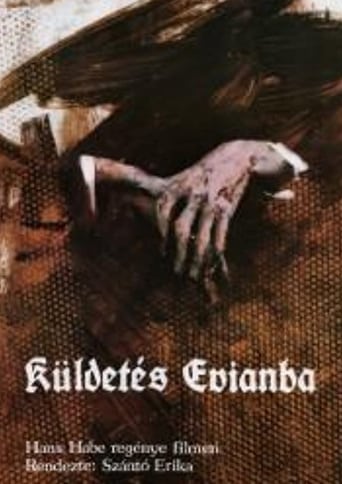 Küldetés Evianba · 1988
Küldetés Evianba
★ 10.01988
MovieDrama
In the summer of 1938, a month after the annexation of Austria and a year before the outbreak of war, the world's diplomats gather for a Refugee Conference in Evian, Switzerland. Here the Nazis send the highly respected Professor Benda, whose task it is to convince the diplomats to buy the lives of half a million Jews from Germany for ten million dollars. But no one, not even the Jewish representatives, can be convinced that the truly diabolical deal - the Germans would use the money to arm themselves - is the only chance to save human lives... The author of the original piece, Hans Habe, himself attended the conference as a young journalist. In his novel, written a quarter of a century later, he explores the world's responsibility.