H
Writing
Herbert Rosenfeld
No biography available.
Known For
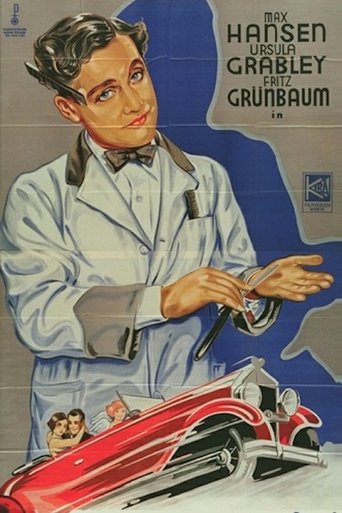 For Once I'd Like to Have No Troubles · 1932
For Once I'd Like to Have No Troubles
★ 9.01932
MovieComedy
Depression musical comedy about an unemployed barber who pretends to be a wealthy automobile magnate.
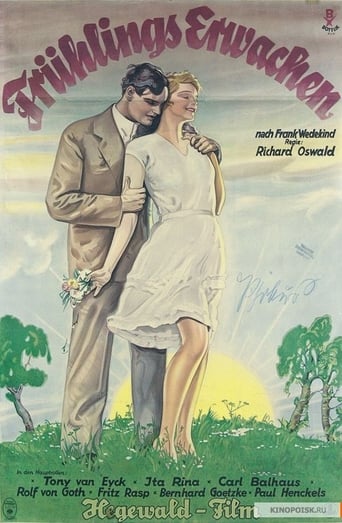 Spring Awakening · 1929
Spring Awakening
★ 10.01929
MovieDrama
Moritz Stiefel faces expulsion due to poor marks. When he is caught with an essay titled “Shame and Lust”, he is indeed kicked out – instead of classmate Melchior Gabor, who actually penned it. Gabor was drawing on his experiences with neighbourhood girl Wendla. Then Wendla turns up pregnant. Stiefel descends into despair ... Exploitation between Eros and Thanatos in this “sexual tragedy of youth” based on Frank Wedekind’s play. Setting the film in the 1920s provided a chance to explore “modern” youth culture, complete with cigarettes, jazz music, the gramophone, and a goodly bit of alcohol. Richard Oswald, a master of films of manners and young sex beginning in the 1910s, fully explores the temptations of the youthful body, even early childhood flirtatiousness. At the same time, with his target audience in mind, the film laments the bigotry and double standards of the adult world.
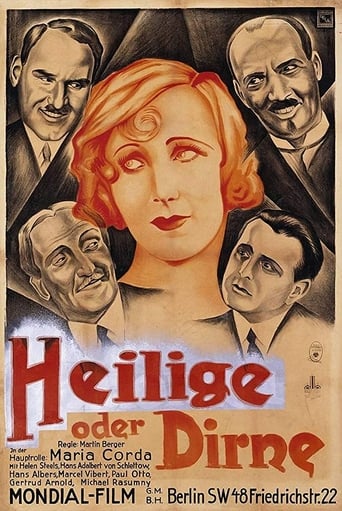 Heilige oder Dirne · 1929
Heilige oder Dirne
★ 8.01929
MovieDrama
The wealthy Frenchman Raoul lives with his mother and his cousin Therese in a magnificent villa on the Riviera. Therese is deeply in love with her relative, but he seems to reciprocate only "brotherly" affection. One day, a visitor arrives: the lustful Lydia, a friend of Therese's, known as a man-eating and amoral woman. It isn't long before Raoul, the master of the house, falls completely under the spell of the blonde siren from abroad, and the two become engaged and eventually married.
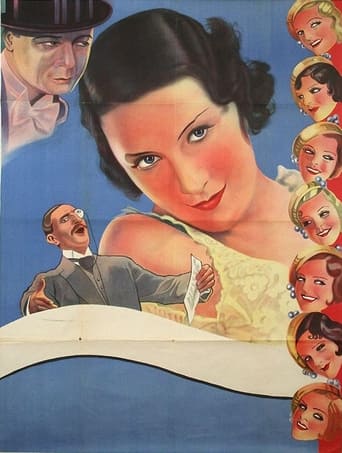 ...und wer küßt mich? · 1933
...und wer küßt mich?
★ 6.21933
MovieComedy
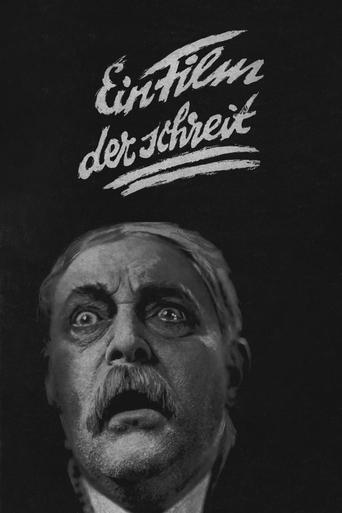 Bookkeeper Kremke · 1930
Bookkeeper Kremke
★ 7.81930
MovieDrama
In this realistic, unsentimental portrait of Germany’s dire economic situation, a middle-aged payroll clerk loses his job due to technological advances and, unable to find another, descends into despair. The film’s director, Marie Harder, was one of only a few women directors of the time and was also the head of the German Social Democratic Film Office. She made only two known films before her accidental death in exile in Mexico in 1936.
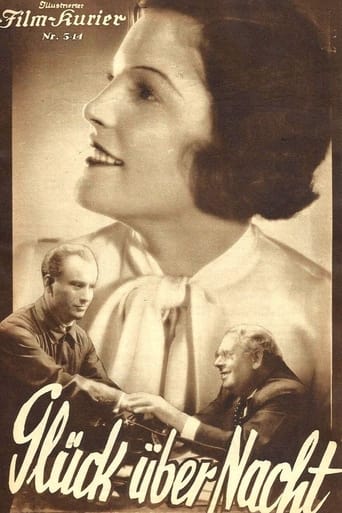 Glück über Nacht · 1933
Glück über Nacht
★ 8.01933
MovieDrama
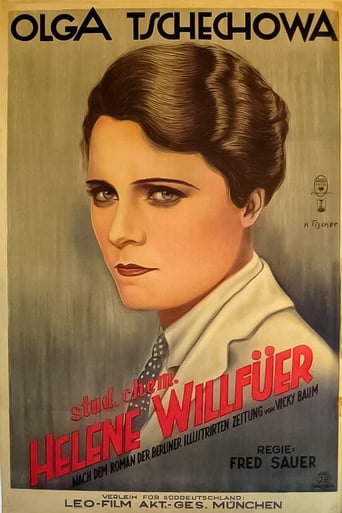 The Case of Helena Willfuer · 1930
The Case of Helena Willfuer
★ 7.01930
MovieDrama
 Wrong Number, Miss · 1932
Wrong Number, Miss
★ 7.01932
MovieComedy
Miss Inge Becker is a telephone operator. She makes an appointment with her unknown opera singer West. Simultaneously, Rainer, the young director of the telephone distribution, makes an appointment with him unknown Miss Lotte Schröder. The location of the meeting and sign of recognition of the two pairs are the same. An exchange with consequences cannot be avoided, as the next day the director wants to speak with Inge, because she neglects her service.
Filmography
Sort