J
Directing
Józef Robakowski
No biography available.
Known For
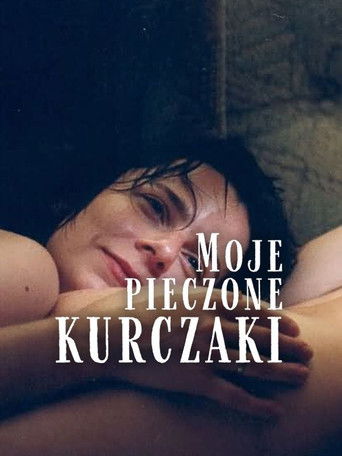 My Roasted Chicken · 2002
My Roasted Chicken
★ 6.62002
MovieDramaTV Movie
A young married couple and their everyday hardships. Unemployed Wojtek decides to sell grilled chicken from a street stall. His wife Agata is a film student making a documentary on her husband.
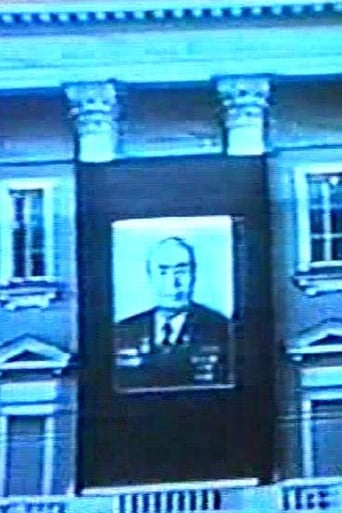 Brezhnev's Funeral · 1982
Brezhnev's Funeral
1982
Movie
Video: Józef Robakowski, music: Laibach Werkstatt, production: Exchange Gallery.
 Dancing with Trees · 1985
Dancing with Trees
1985
Movie
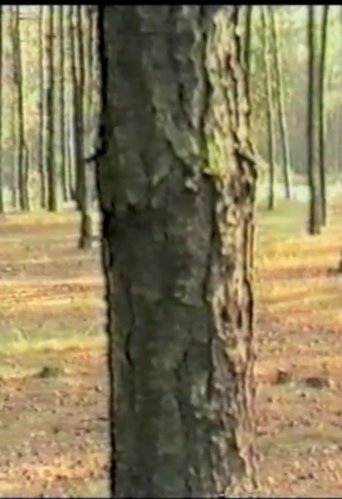
The camera records the trajectory and dynamics of Robakowski's movement: he walks, turns and spins with his head up in the woods.
 Acoustic Apple · 1994
Acoustic Apple
1994
Movie
A short showing Robakowski peeling and eating an apple, which itself produces the sound.
 An Attempt (Test II) · 1971
An Attempt (Test II)
★ 6.11971
Movie
A classical organ composition by Johann Sebastian Bach “stretches” a red strip of film; An exploration of musical memory.
 Video Kisses · 1992
Video Kisses
1992
Movie
The equation of organically generated soundtrack with the video image.
 Conversation With My Mother · 2004
Conversation With My Mother
2004
Movie
A fictional telephone conversation between the filmmaker and his mother on her birthday. A performative reflection on the relationship between public and private spheres in which the maker turns his back to the camera, simultaneously shielding himself, and engages the viewer in the (im)possibility of bridging the gap between the man and his mother. Capturing the intimate conversation seems to be a way of keeping a personal memory alive while it merges with the viewer’s memory.
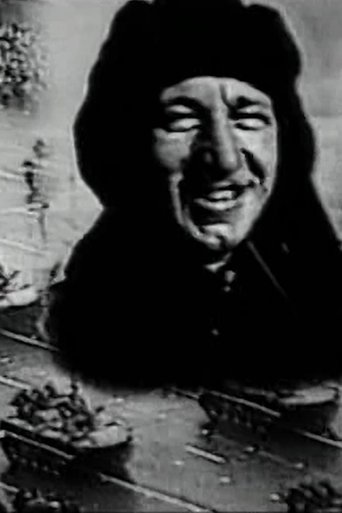 Art is Power · 1985
Art is Power
1985
Movie
The ritual transmission of a military parade from Moscow’s Red Square: On every anniversary of the October Revolution, this was loyally broadcast by all the television stations in the so-called people’s democracies. In Robakowski’s work, this material is used to reconstruct and deconstruct public spectacle. The substitution of the original television commentary with a song sung in German by Laibach (a group from what was then Yugoslavia and is now Slovenia) removes the spectacle from its pompous temporal context and reveals the absolutism of its alluring power. The totalitarian display is in itself art – politically active art, the art of all-out pathos – even if we call it only “quote art unquote”.