Directing
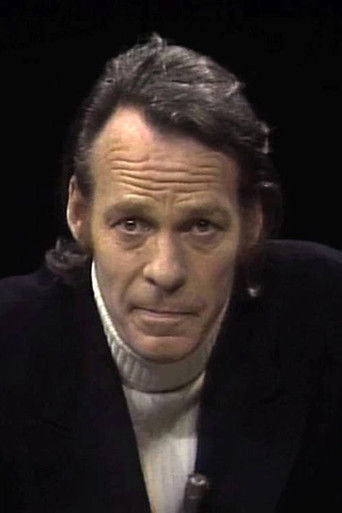
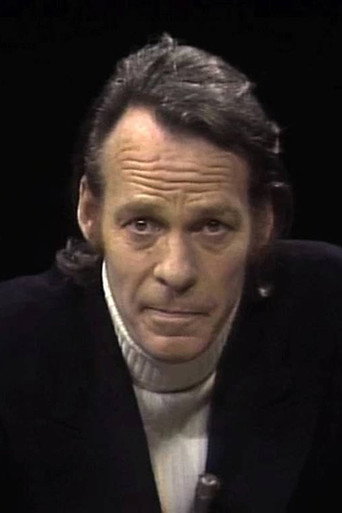
Robert Gardner
Born November 5, 1925 · Brookline, Massachusetts, USA
Died June 21, 2014 · aged 88
Robert Gardner was the Director of the Film Study Center at Harvard University from 1957 to 1997. He is known for his work in the field of non-fiction film. He is an internationally renowned filmmaker and author whose works have entered the permanent canon of non-fiction filmmaking. Some of his most prominent films include Dead Birds (1964), a lyric account of the Dugum Dani, a Stone Age society …
Known For
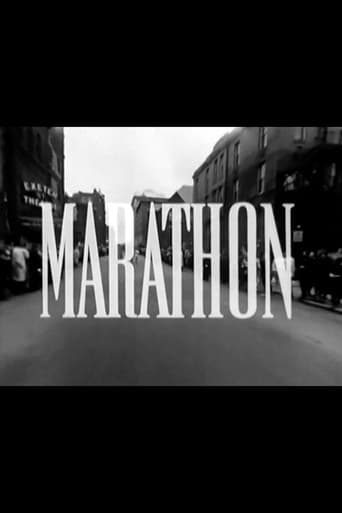 Marathon · 1965
Marathon
1965
MovieDocumentary
Started as a class project in what was likely the first filmmaking course ever taught at Harvard, Marathon documents the running of the 1964 Boston Marathon.
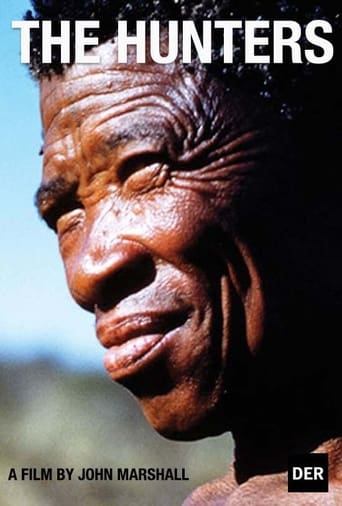 The Hunters · 1957
The Hunters
★ 6.51957
MovieDocumentary
An ethnographic documentary following four Ju/’hoansi (!Kung) men during a multi-day giraffe hunt in the Kalahari Desert, filmed during the Smithsonian–Harvard Peabody expedition of 1952–53.
 Serpent Mother · 1985
Serpent Mother
1985
Movie
Serpent Mother is about devotion to the Goddess of Snakes and the importance of divine female power in West Bengal Indian life. The film's focus is the Jhapan Festival, the great celebration of snakes. Shown are festival preparations, the role of traditional arts and crafts in the worship of the Goddess, devotional singing, and an exposition of ritual action. The difficult and complex symbolism of the ritual is explained by the participants themselves. In addition to the commentary, this makes accessible what is, at first glance, exotic and inexplicable behavior.
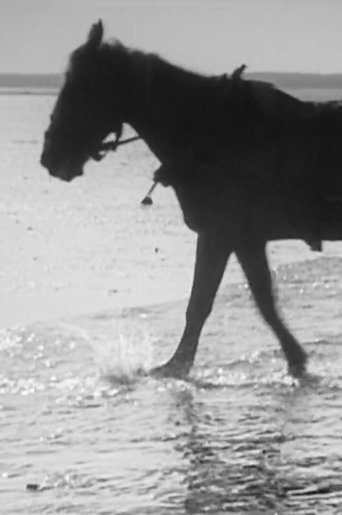 Tide · 1966
Tide
1966
MovieDocumentary
In the late sixties I picked up my seldom used Arri 35mm camera and set off for the famous tidal flats of Nova Scotia. This fragment is of an elderly farmer who fished a weir using his horse and carriage to go out to it with the ebbing time and home with the incoming tide. I thought I saw a nice structure for a film that even included the element of chase, that old standby of film narrative. Would the carriage get home before being engulfed by the incoming tide, would the fog appear and obscure all points of reference?
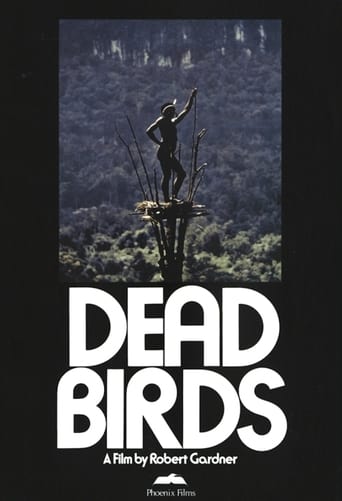 Dead Birds · 1963
Dead Birds
★ 6.01963
MovieDocumentary
An ethnographic documentary documenting the ritual warfare cycle, social life, and belief systems of the Dani people of the Baliem Valley in western New Guinea.
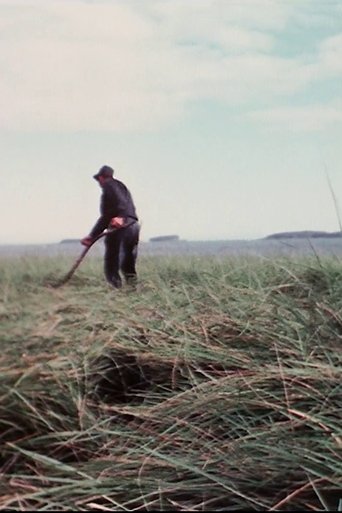 Farmer · 1973
Farmer
1973
MovieDocumentary
While active in the programming of ABC affiliate Channel 5 in Boston, Gardner was permitted to make a few short one-minute vignettes illustrating the working lives of relatively ordinary people. These vignettes were meant to be used by the TV station as ‘non commercials’ or unexpected looks at ordinary lives.
 Blunden Harbour · 1951
Blunden Harbour
1951
Movie
“In the middle of the twentieth century, Blunden Harbour was a small village on the coast of Vancouver Island in British Colombia inhabited by a handful of impoverished Kwakiutl Indians who gained their meagre livelihood from fishing and gathering...It is a beginner's attempt to impart the rhythm and atmostphere of a place and a people.” - Robert Gardner
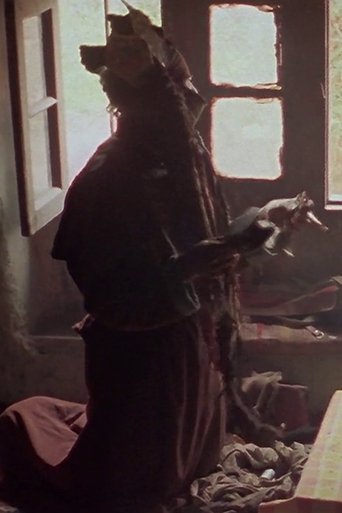 Healing · 1978
Healing
1978
MovieDocumentary
I went to Ladakh in the vain search for a shaman. What I found was a species of Buddhist healing that involved trance and a variety of magical tricks of the healing trade.
Filmography
Sort