Sound
Enn Säde
Born October 18, 1938 · Pärnu, Pärnu County, Estonia (age 88)
Enn Säde (born October 18, 1938 in Pärnu) is an Estonian film sound designer and film director. In 1961 he graduated from Leningrad Institute of Film Engineers (Estonian: Leningradi Kinoinseneride Instituut Russian: Ленинградский институт киноинженеров). Since 1961 he worked at Tallinnfilm. Since 1993 he is a freelance sound designer.
Known For
 Vicious Animal · 1982
Vicious Animal
1982
MovieDocumentary
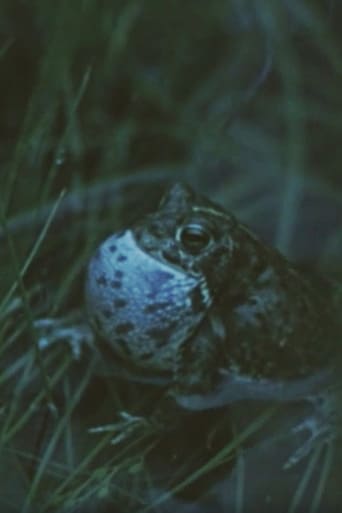
Toad, the primeval inhabitant of the earth. One of the first living creatures who dared to venture from sea to land and some of whose species are now finding their way to the books of endangered species. Who are they really, these witch's creatures?
 Nest of Winds · 1979
Nest of Winds
★ 4.81979
MovieDrama
Set in the post-war years when sovietization was still being resisted by partisans, often at the expense of a farming population intent on rebuilding.
 Tallinna mosaiik · 1967
Tallinna mosaiik
1967
MovieDocumentary
A mosaic photomontage film from the photo album "Across the City" published in the same year, which was made from the images of the legendary Soviet Union's first group of photographers, STODOM. The group, which registered under the wing of Tallinnfilm in 1964, included Tallinnfilm's cameramen Peeter Tooming, Rein Maran and Andrei Dobrovolski at the time, and photographers Tatjana Dobrovolskaja, Kalju Suur and Boris Mäemets. The group played an important role in the development of a new modernist camera language and the discovery of new spaces, especially urban space, for cinematography.
 The Winds of the Milky Way · 1978
The Winds of the Milky Way
★ 7.51978
MovieDocumentary
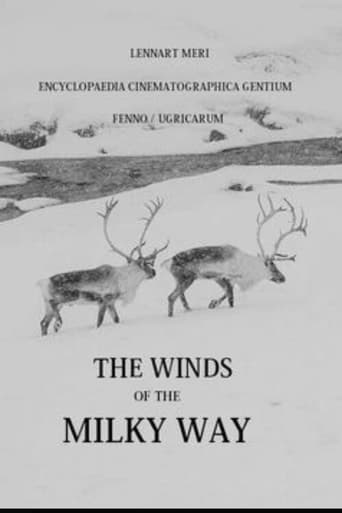
Sequel to the "The Waterfowl People". The author interprets the kinship, linguistic and cultural relationships of the Finno-Ugric peoples. Finns, Vepsians, Votes, Setos, Erzya-Mordvinians, Mansi, Hungarians, Sami, Nganasans, and Estonians appear in the film. The film was shot in 1977 on location in northern Finland, Sapmi, Vepsia, Votia, Mordovia, Khantia-Mansia, Hungary, the Taymyr Peninsula, the Setomaa region in Estonia, and on the Estonian islands of Saaremaa and Muhu. Footage was also shot in 1970 in the Nenets Okrug. The second documentary in Lennart Meri's "Encyclopaedia Cinematographica Gentium Fenno - Ugricarum" series.
 In One Hundred Years in May · 1987
In One Hundred Years in May
★ 8.01987
MovieHistoryDrama
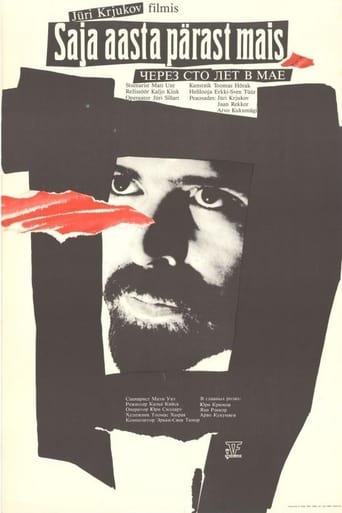
Viktor Kingissepp has been the underground head of the Communist Party of Estonia for three years. He corresponds with Moscow, writes speeches for the members of the Communist Workers' Party and makes leaflets for the events of trade union. His purpose is to overthrow the Republic of Estonia since he does not believe in Estonian independence nor in any national ideals. Yet the clock keeps ticking, tuberculosis spreads rapidly, the world revolution is being postponed. What to do in order to make one's efforts work?
 Edison's Disco · 1980
Edison's Disco
1980
MovieDocumentary
Heino Pedusaar (born in 1931) was a sound director in Eesti Raadio. He has collected old audio records all around Estonia. For already twenty years he has been actively involved in restoring Estonian cultural heritage. Filmmakers follow his trip to Mooste in Põlva county and observe his skillful work in restoring old audio records.
 Ice State · 1970
Ice State
1970
MovieDocumentary
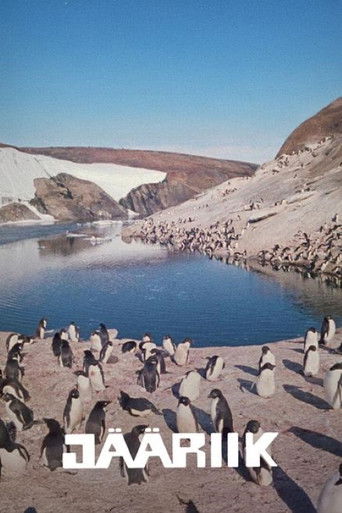
The documentary depicts Antarctica as an aesthetic phenomenon - it is a land of eternal silence and stillness; during its short summer the continent reveals its most beautiful treasures. Filmed during the 13th Soviet Antarctic expedition from November 1968 until May 1969.
 Karoliine's Silver Yarn · 1985
Karoliine's Silver Yarn
★ 5.01985
MovieFamilyFantasy
Karoliine is a spoiled and selfish princess who will meet swamp ogres and sleep fairies, a mermaid and a werewolf on her journey. A bunch of robbers will take her to their cave. Despite having a smart and helpful guide Kaspar with her, Karoliine has to get rid of her selfishness and inconsideration towards others. She is gradually becoming braver and good-hearted that will eventually lead her to the presence of real love.
Filmography
Sort