F
Directing
Francis Alÿs
No biography available.
Known For
 Semáforos · 1995
Semáforos
1995
MovieDocumentaryAnimation
 Siren · 2023
Siren
2023
MovieDocumentary
 Fitzroy Square · 2004
Fitzroy Square
2004
Movie
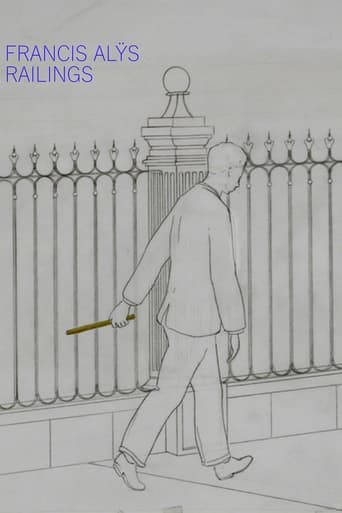
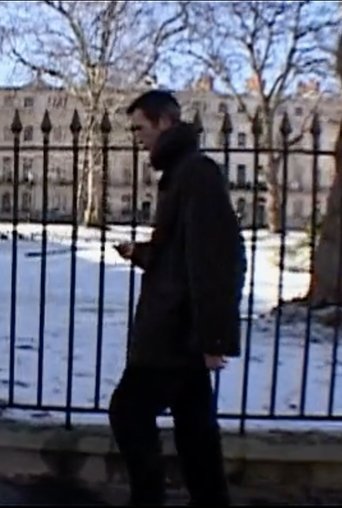
Francis Alÿs is filmed by his collaborator Rafael Ortega walking along Fitzroy Square, drumming out rhythms by dragging a wooden stick on the iron railings.
 Patriotic Tales · 1997
Patriotic Tales
1997
Movie
The video shows the artist walking in circles around the flagpole (“Madre Patria”) in Zócalo, Mexico City’s monumental central square, which is flanked by government institutions. This work relates to a storied incident that took place during the Mexican government’s brutal oppression of the 1968 student uprising in Mexico City.
 The Collector · 2006
The Collector
2006
Movie
For an indeterminate period of time, the magnetized metal collector takes a daily walk through the streets and gradually builds up a coat mad of any metallic residue lying in its path. This process goes on until the collector is completely covered by its trophies.
 Tornado · 2010
Tornado
★ 1.02010
MovieDocumentary
For the last decade Alÿs has made repeated trips to the dusty highlands south of Mexico City to chase the tornadoes that frequently occur in that region at the end of the dry season. Tornado unfolds in three movements: waiting for the storms, pursuing them, and catching or missing them. Depicting a one-on-one challenge of the power of nature, the work is a recognition of human persistence, emphasizing the necessity of pursuing ideals however unattainable or absurd they may seem. It is also a reflection on the present chaotic state of Mexico and a study of the search for a moment of order within it; scientifically speaking, tornadoes are instances of order emerging from chaos.
 Re-enactment · 2000
Re-enactment
2000
MovieDocumentary
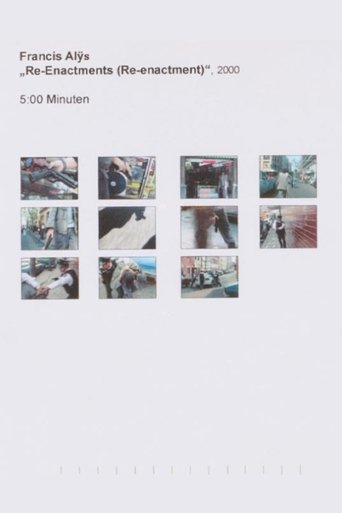
For this work Alÿs purchased a gun in Mexico City then walked through the city streets with the weapon in his hand. After eleven minutes he was arrested by the police. The following day he repeated the action, this time in cooperation with the police. By presenting a record of this dramatic action alongside footage of its reenactment, Alÿs blurs the boundaries between documentation and fiction. Questioning the concept of authenticity, this work demonstrates “how media can distort and dramatize the immediate reality of a moment,” the artist has said. Gallery label from Francis Alÿs: A Story of Deception, May 8–August 1, 2011.
 The Nightwatch · 2004
The Nightwatch
★ 8.02004
Movie
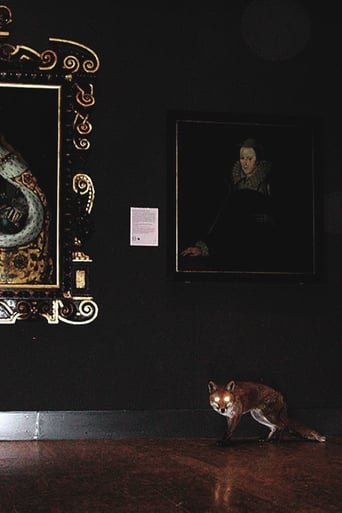
The Nightwatch documents an action realised by Alÿs in 2004 in which he released a fox into London’s National Portrait Gallery in the middle of the night and used the museum’s CCTV system to follow its movements. The institution was chosen because unlike other institutions it does not conceal its CCTV cameras.
Filmography
Sort