Sumiko Haneda

Directing

Sumiko Haneda

Born January 3, 1926 · Dalian, Liaoning province, China (age 100)

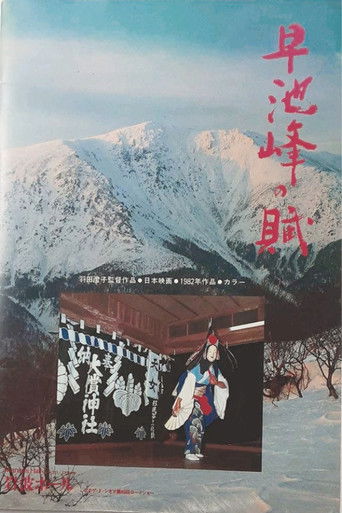
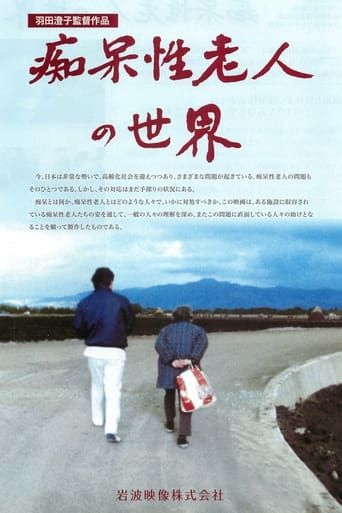
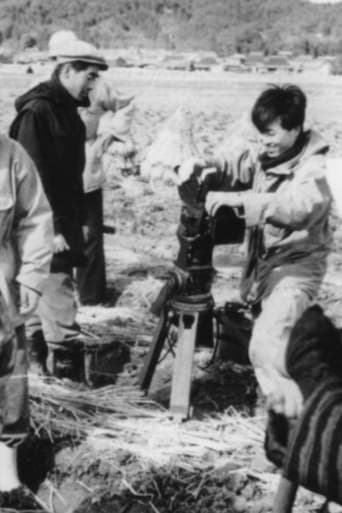
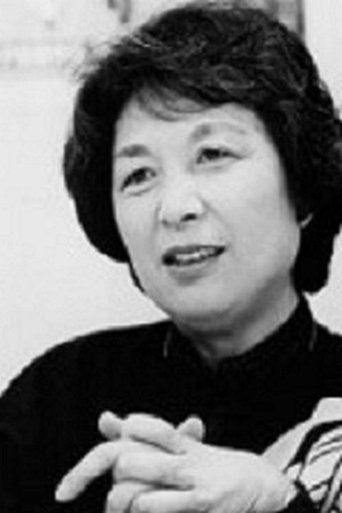
Born 1926 in Dalian, China, Sumiko Haneda graduated from Jiyu Gakuen, and joined Iwanami Productions at its founding. She has been involved in over eighty documentaries, starting with Women’s College in the Village (1957). After The Cherry Tree with Gray Blossoms (1977) she took to independent filmmaking, and has made over ten films including Ode to Mt. Hayachine (1982), How to Care for the Senile…

Known For
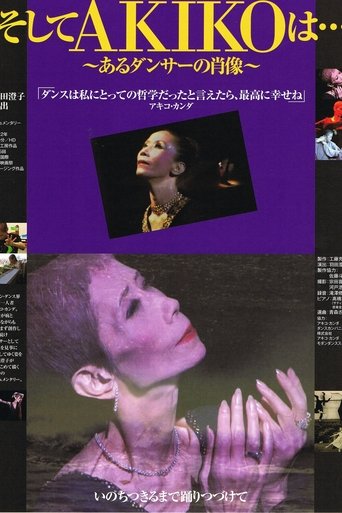
And Then Akiko Is...  A Portrait of a DancerAnd Then Akiko Is... A Portrait of a Dancer · 2012
And Then Akiko Is... A Portrait of a Dancer
2012
MovieDocumentary
Sumiko Haneda returns to film what will be the final bits of Akiko Kanda's life, documenting Kanda's will to dance as she struggles with terminal cancer.
The Japanese Settlers to the Manchuria and Inner Mongolia of Mainland ChinaThe Japanese Settlers to the Manchuria and Inner Mongolia of Mainland China · 2009
The Japanese Settlers to the Manchuria and Inner Mongolia of Mainland China
6.72009
MovieDocumentary
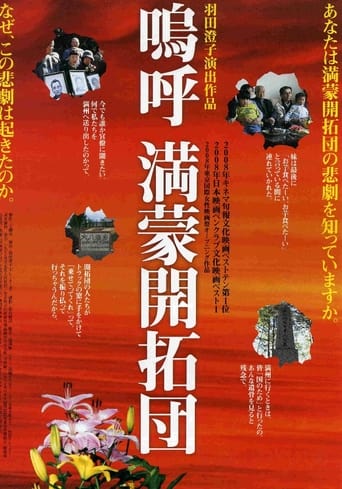
Set in the Japanese puppet state of Manchukuo, the tragic theme of the film is the destruction of millions of lives in the 13 years before Manchukuo collapsed with Japan’s World War II surrender in August 1945, and the years of suffering it brought in its wake.
The Cherry Tree with Gray BlossomsThe Cherry Tree with Gray Blossoms · 1977
The Cherry Tree with Gray Blossoms
7.21977
MovieDocumentary
The poignant focal point for this film is a cherry tree that is over 1400 years old. Beginning with the tree, the director then explores the families and environment around the tree. The editing and music contribute to the sense of a haunting past contained within the solid structure of an ancient natural wonder.
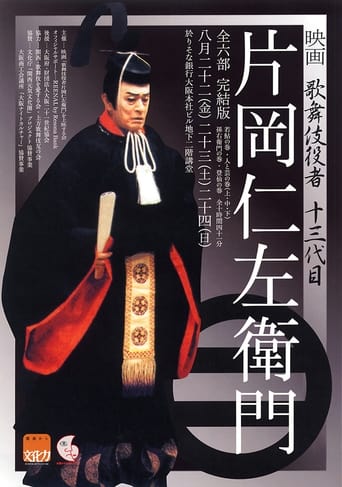
Kabuki Actor Kataoka NizaemonKabuki Actor Kataoka Nizaemon · 1992
Kabuki Actor Kataoka Nizaemon
8.01992
MovieDocumentary
Documentary film from Japan.
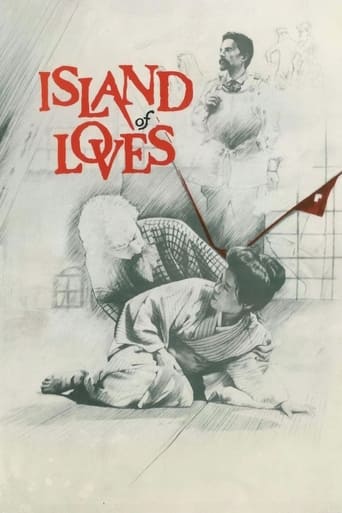
Island of LovesIsland of Loves · 1982
Island of Loves
6.51982
MovieDrama
This film depicts the life of the 19th-century Portuguese writer Wenceslau De Moraes by means of nine ancient ballads from China. The writer married a Chinese woman after he left his wife and family to go live in Macao. Later, he moved to Japan where he fell in love with a Japanese woman, staying in Japan for the rest of his life. Mixed in with the career and loves of Moraes is the history of Portugal at home and in its colonies.
Akiko: Portrait of a DancerAkiko: Portrait of a Dancer · 1985
Akiko: Portrait of a Dancer
1985
MovieDocumentary
“I have three tasks in my life: to dance, to teach dance, and to create dance,” says the pioneering Japanese performer Akiko Kanda in this intimate portrait of creativity and individuality, After seeing a Martha Graham performance in college, Kanda left her family behind in Japan and arrived in New York City, where she studied under the legendary Graham and became a principal dancer with the troupe. Following the wiry artist as she moves from practice floor to performance hall, and from the cramped single-room apartment she lives in to a trip home to see her aging mother, director Sumiko Haneda reveals a woman who has rebelled against traditional ideals of marriage and motherhood, and who nearly single-handedly brought modern dance to Japan-and kept it alive. “When I die,” Kanda tells the director, “I will be content if I can just say, ‘I danced.'”
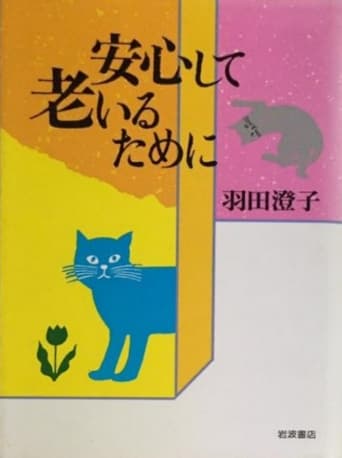
Getting Old without AnxietyGetting Old without Anxiety · 1990
Getting Old without Anxiety
10.01990
MovieDocumentary
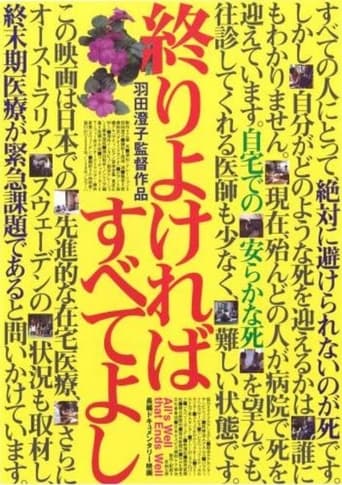
The care facilities for the elderly in a small town in Gifu prefecture, and the comparison with the welfare in Denmark, Sweden and Australia.
Woman Was the Sun—The Life of Hiratsuka RaichoWoman Was the Sun—The Life of Hiratsuka Raicho · 2002
Woman Was the Sun—The Life of Hiratsuka Raicho
2002
MovieDocumentary
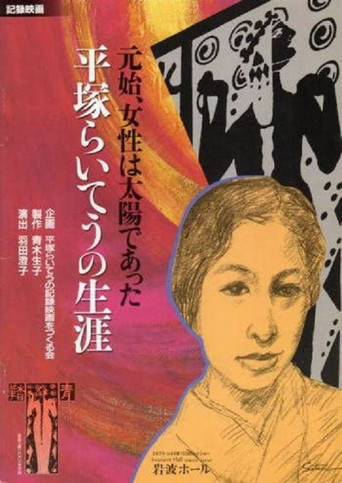
Documentary on pioneer Japanese feminist Hiratsuka Raicho

Filmography

Sort
Akiko: Portrait of a DancerAkiko: Portrait of a Dancer · 1985
Akiko: Portrait of a Dancer
1985
MovieDocumentary
“I have three tasks in my life: to dance, to teach dance, and to create dance,” says the pioneering Japanese performer Akiko Kanda in this intimate portrait of creativity and individuality, After seeing a Martha Graham performance in college, Kanda left her family behind in Japan and arrived in New York City, where she studied under the legendary Graham and became a principal dancer with the troupe. Following the wiry artist as she moves from practice floor to performance hall, and from the cramped single-room apartment she lives in to a trip home to see her aging mother, director Sumiko Haneda reveals a woman who has rebelled against traditional ideals of marriage and motherhood, and who nearly single-handedly brought modern dance to Japan-and kept it alive. “When I die,” Kanda tells the director, “I will be content if I can just say, ‘I danced.'”

Director