Directing
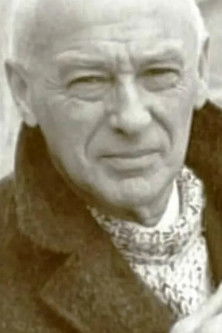
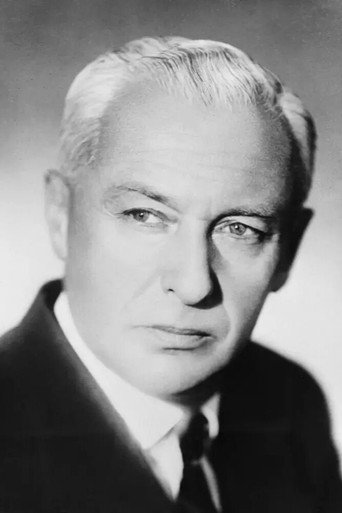
Roman Karmen
Born November 29, 1906 · Odessa, Russian Empire
Died April 29, 1979 · aged 72
Roman Karmen (1906–1978) was a pioneering Soviet film director, war cinematographer, documentary filmmaker, journalist, screenwriter, pedagogue, and publicist. Born Efraim Leyzorovich Korenman, Karmen became one of the most prominent figures in Soviet cinema, known for his exceptional contributions to war documentation and his ability to capture history in the making. He began his career as a jour…
Known For
 To Die in Madrid · 1963
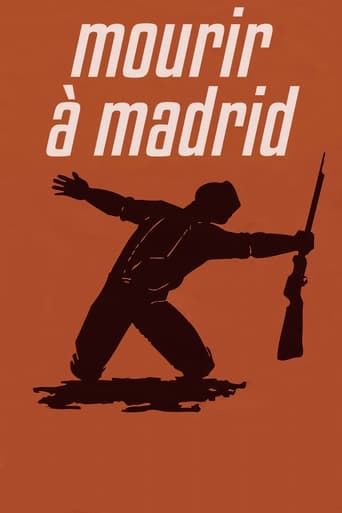
To Die in Madrid
★ 7.71963
MovieDocumentary
Morir en Madrid brings together several papers on the Spanish Civil War and integrates capturing different points of view, intended to represent the continuity of the suffering of the Spanish during the Franco regime. The death of Federico Garcia Lorca, Guernica, the defense of Madrid, the International Brigades, are some of the items comprised in this document.
 Cinerama's Russian Adventure · 1966
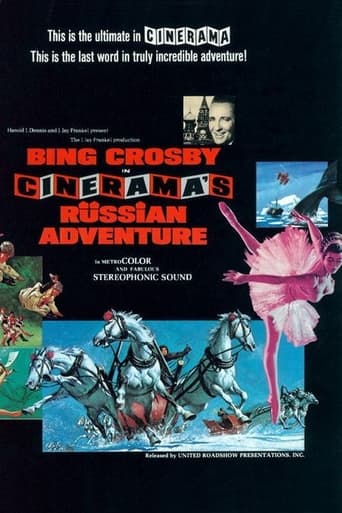
Cinerama's Russian Adventure
★ 5.91966
MovieDocumentary
Following an introduction by Bing Crosby, the Cinerama screen widens for scenes of landscapes, cities, peoples, and entertainments of the Soviet Union. Highlights include the historic buildings and churches of Moscow, as the Kremlin; its subway and streets, a spring carnival, the seaside resorts on the Black Sea, a trip down the Volga River, skiers, a troika racing along a snow-covered road, a helicopter view of the North Pole, an Antarctic whale hunt, the capture of a wild boar in the Moyun-Kum of Central Asia, a race by reindeer-drawn sleds, divers in the Sea of Okhotsk, battling an octopus, the capture of antelopes, rafting logs down the Tisza River, and the development of new towns in Siberia. Other scenes include a visit to the Moscow Circus, where the renowned clown Oleg Popov performs, the dancing of the Moiseyev and Piatnitsky companies, and excerpts from the repertoire of the Bolshoi Theater Ballet.
 Spain 1936 · 1937
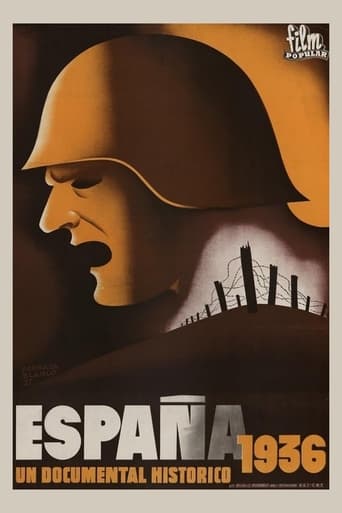
Spain 1936
★ 7.31937
MovieDocumentary
A Spanish documentary from Jean-Paul Le Chanois & Luis Buñuel made during the Spanish Civil War.
 The Fall of Berlin · 1945
The Fall of Berlin
★ 4.81945
MovieDocumentaryWar
A Soviet documentary chronicling the final assault on Nazi Germany’s capital. More than forty frontline cameramen from the 1st Belorussian and 1st Ukrainian Fronts captured the battle and its aftermath, supplemented with seized German footage. The film records the destruction of Berlin and the symbolic collapse of Hitler’s regime, standing as both a historical chronicle and a work of Soviet wartime cinema.
 The Magic Beam · 1963
The Magic Beam
1963
MovieDocumentary
“The Magic Beam” is a film essay woven together from newsreels and documentary material from different decades, fragments of hundreds of non-fiction and fiction Soviet films of the 1910s-1960s.
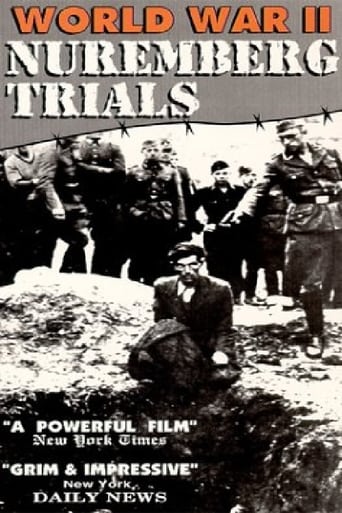 Nuremberg Trials · 1946
Nuremberg Trials
★ 5.71946
MovieDocumentary
This riveting Russian documentary takes you inside the trials of the notorious German war criminals, brought to trial to account for their actions. The footage includes excerpts from the trials of many of the senior Nazis including Goebels and Goring.
 Our Cinema · 1940
Our Cinema
★ 9.01940
MovieDocumentary
 Distant and Close Skies · 1976
Distant and Close Skies
1976
MovieDocumentary
Filmography
Sort
Our Cinema · 1940Our Cinema
★ 9.01940
MovieDocumentary
(archive footage)

 Oryol Battle · 1943
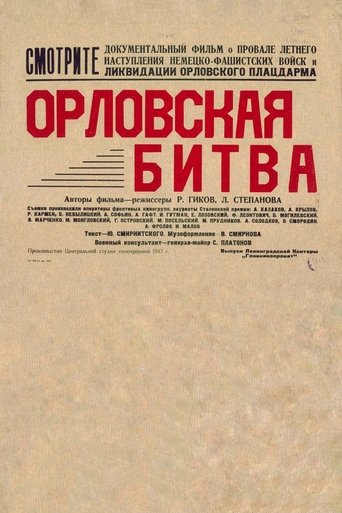
Oryol Battle
1943
MovieDocumentary
Additional Photography
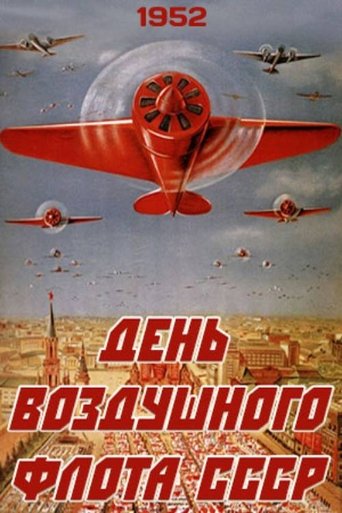 USSR Air Fleet Day · 1952
USSR Air Fleet Day
1952
MovieDocumentary
A documentary about the aviation holiday in Tushino on July 27, 1952.
Camera Operator