Acting
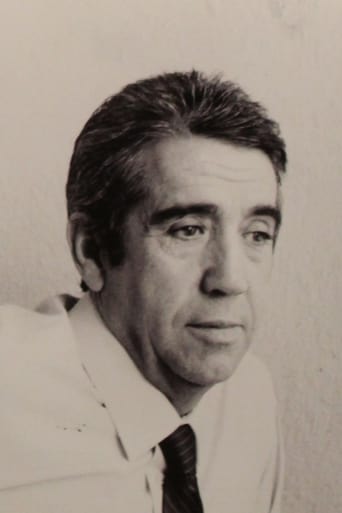
Chumy Chúmez
Born May 8, 1927 · Donostia, Gipuzkoa, Euskadi, Spain
Died April 10, 2003 · aged 75
No biography available.
Known For
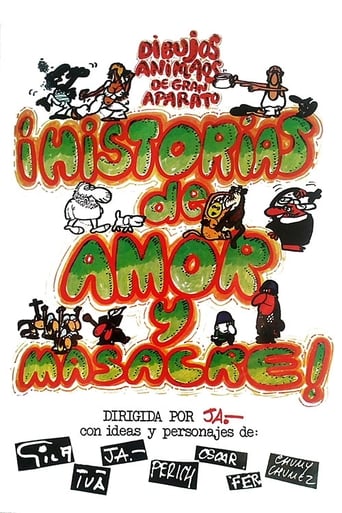 Stories of Love and Slaughter · 1979
Stories of Love and Slaughter
★ 5.31979
MovieAnimationComedy
Animation film based in some stories of the better illustrators and humorists of Spain during the democratic transition, on seventies: Chumy Chumez, Perich, Oscar, Ja, Fer, Ivà. They are quotidian stories about love, death, sex and violence.
 El corazón de un bandido · 1968
El corazón de un bandido
★ 6.51968
MovieAnimationDrama
The life and adventures of Pedro Becerra, a generous-hearted Andalusian bandit, and the account of his troubled love story with the beautiful Margarita…
 Topical Spanish · 1970
Topical Spanish
★ 7.21970
MovieComedy
Jesús, a runaway from a seminary, attends the auditions to join a pop music band; but he is not finally chosen, along with three other boys. But Alicia, a cheerful and enterprising girl, decides to create her own band with all of them.
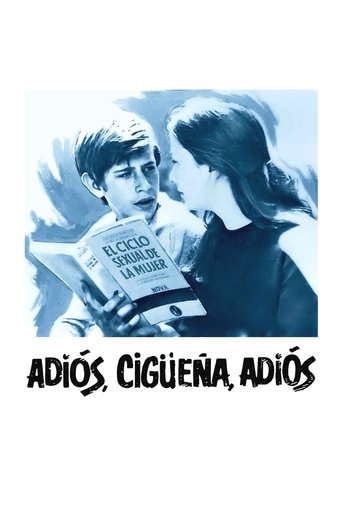 Adiós, cigüeña, adiós · 1971
Adiós, cigüeña, adiós
★ 6.31971
MovieComedy
During a trip to the mountains with their schoolmates, Arturo, who has just turned fifteen, gets thirteen-year-old Paloma pregnant.
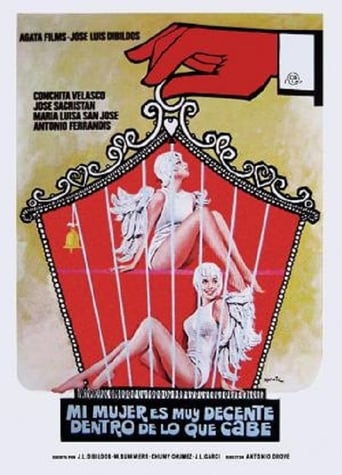 Mi mujer es muy decente, dentro de lo que cabe · 1975
Mi mujer es muy decente, dentro de lo que cabe
★ 4.21975
MovieComedy
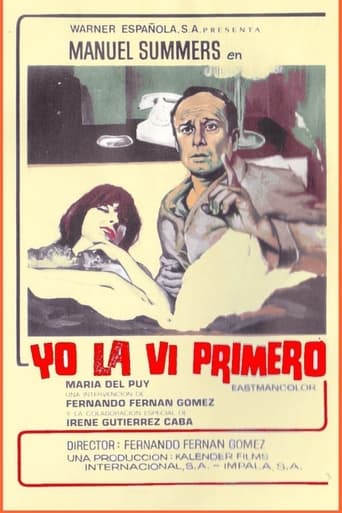 I Saw Her First · 1974
I Saw Her First
★ 7.01974
MovieComedyDrama
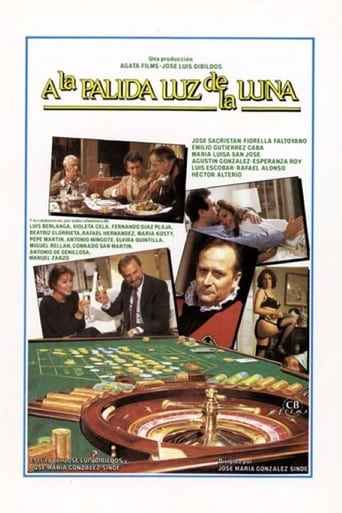 A la pálida luz de la luna · 1985
A la pálida luz de la luna
★ 4.21985
MovieComedy
Carmen leaves her husband Julio to go live with an intellectual who has made a career in the United States. While, Julio goes away to live of rent to house of an aristocrat come to less. After meeting several colorful characters, Julio decides to recover Carmen.
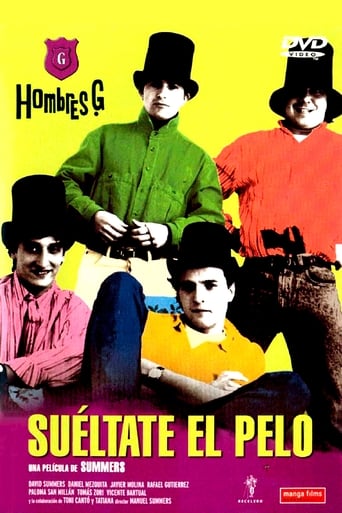 Suéltate el pelo · 1988
Suéltate el pelo
★ 6.91988
MovieMusicComedy
A quinceañera pretends to fall in love with David, the singer of the popular group Men G, and chases him to Acapulco. One night, she undresses and pounces on him, while a friend of her makes a few compromising photographs. The publication of these photos in a magazine leads David to pay a large sum and one year in prison, but the rest of the group discovers that Sonia and her friend are going to defraud actor Toni Canto and decide to prepare a trap for them