M
Directing
Madeline Anderson
Pioneering filmmaker and television producer Madeline Anderson is often credited as being the first black woman to produce and direct a televised documentary film, the first black woman to produce and direct a syndicated TV series, the first black employee at New York-based public television station National Educational Television (WNET), and one of the first black women to join the film editor’s …
Known For
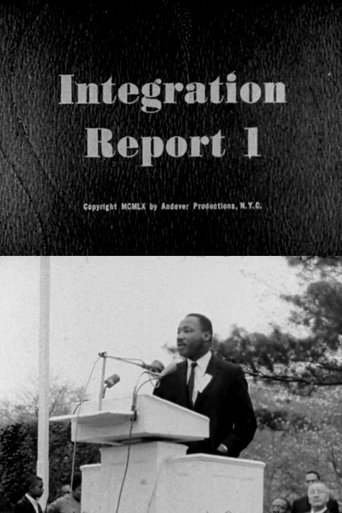 Integration Report 1 · 1960
Integration Report 1
★ 7.61960
MovieDocumentary
Integration Report 1, Madeline Anderson's trailblazing debut, was the first known documentary by an African American female director. With tenacity, empathy and skill, Anderson assembles a vital record of desegregation efforts around the country in 1959 and 1960, featuring footage by documentary legends Albert Maysles and Richard Leacock and early Black cameraman Robert Puello, singing by Maya Angelou, and narration by playwright Loften Mitchell. Anderson fleetly moves from sit-ins in Montgomery, Alabama to a speech by Martin Luther King Jr. in Washington, D.C. to a protest of the unprosecuted death in police custody of an unarmed Black man in Brooklyn, capturing the incredible reach and scope of the civil rights movement, and working with this diverse of footage, as she would later say, “like an artist with a palette using different colors.”
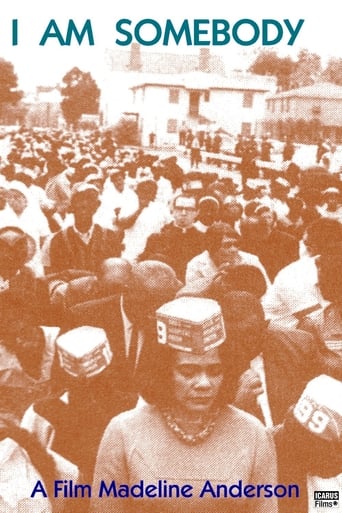 I Am Somebody · 1970
I Am Somebody
★ 7.01970
MovieDocumentary
Madeline Anderson’s documentary brings viewers to the front lines of the civil rights movement during the 1969 Charleston hospital workers’ strike, when 400 poorly paid Black women went on strike to demand union recognition and a wage increase, only to find themselves in confrontation with the National Guard and the state government. Anderson personally participated in the strike, along with such notable figures as Coretta Scott King, Ralph Abernathy and Andrew Young, all affiliated with Martin Luther King’s Southern Christian Leadership Conference. Anderson’s film shows the courage and resiliency of the strikers and the support they received from the local black community. It is an essential filmed record of this important moment in the history of civil and women’s rights. The film is also notable as arguably the first televised documentary on civil rights directed by a woman of color, solidifying its place in American film history.
 A Tribute to Malcolm X · 1967
A Tribute to Malcolm X
★ 8.71967
MovieDocumentaryTV Movie
A short film made for William Greaves' "Black Journal" that discusses the influence of Malcolm X, and includes an interview with his widow, Betty Shabbazz.
 Let the Church Say Amen! · 1973
Let the Church Say Amen!
★ 9.01973
MovieDocumentary
A young seminarian's path to becoming a minister.
Filmography
Sort