Acting
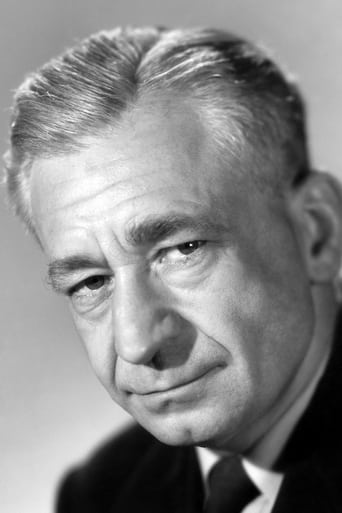
Art Smith
Born March 22, 1899 · Chicago, Illinois, USA
Died February 24, 1973 · aged 73
From Wikipedia, the free encyclopedia Arthur Gordon "Art" Smith (March 23, 1899 – February 24, 1973) was an American film, stage and television actor, best known for playing supporting roles in the 1940s. Born in Chicago, he was a member of the Group Theatre and performed in many of their productions, including Rocket to the Moon, Awake and Sing!, Golden Boy and Waiting for Lefty, all by Cliffor…
Known For
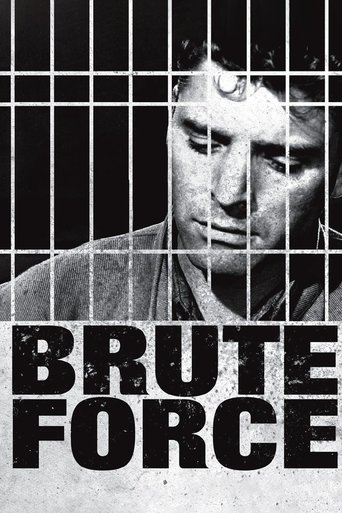 Brute Force · 1947
Brute Force
★ 7.31947
MovieCrimeDrama
Timeworn Joe Collins and his fellow inmates live under the heavy thumb of the sadistic, power-tripping guard Captain Munsey. Only Collins' dreams of escape keep him going, but how can he possibly bust out of Munsey's chains?
 In a Lonely Place · 1950
In a Lonely Place
★ 7.61950
MovieThrillerDrama
A violent screenwriter and a female neighbor fall in love after she clears him of murder, but she begins to have second thoughts.
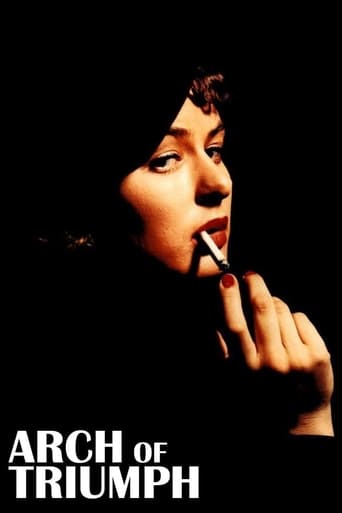 Arch of Triumph · 1948
Arch of Triumph
★ 6.01948
MovieDramaRomance
In the winter of 1938, Paris is crowded with refugees from the Nazis, who live in the black shadows of night, trying to evade deportation. One such is Dr. Ravic, who practices medicine illegally and stalks his old Nazi enemy Haake with murder in mind. One rainy night, Ravic meets Joan Madou, a kept woman cast adrift by her lover's sudden death. Against Ravic's better judgment, they become involved in a doomed affair.
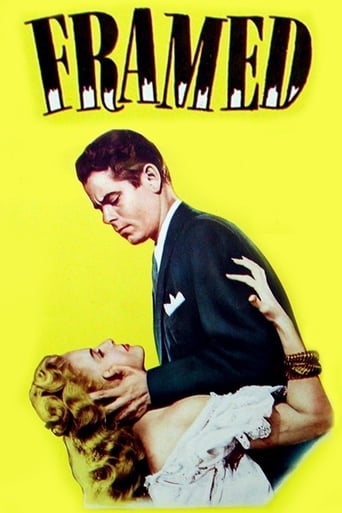 Framed · 1947
Framed
★ 6.51947
MovieCrimeDrama
Truck driver Mike Lambert is a down-and-out mining engineer searching for a job. When his rig breaks down in a small town, he happens upon a venomous seductress. When her boyfriend robs a bank, they intend to frame Lambert.
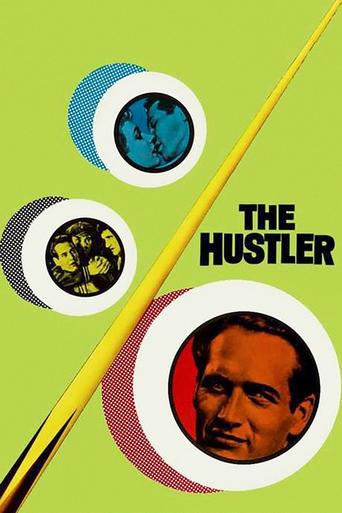 The Hustler · 1961
The Hustler
★ 7.71961
MovieDramaRomance
Fast Eddie Felson is a small-time pool hustler with a lot of talent but a self-destructive attitude. His bravado causes him to challenge the legendary Minnesota Fats to a high-stakes match.
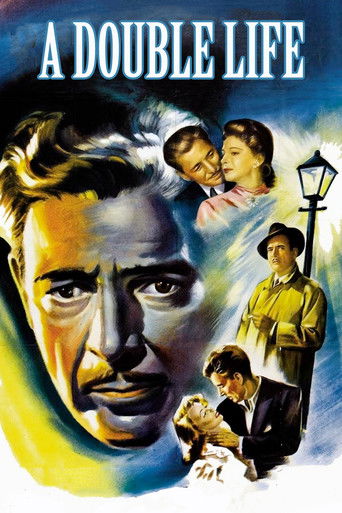 A Double Life · 1947
A Double Life
★ 6.31947
MovieDramaThriller
A Shakespearian actor starring as Othello opposite his wife finds the character's jealous rage taking over his mind off-stage.
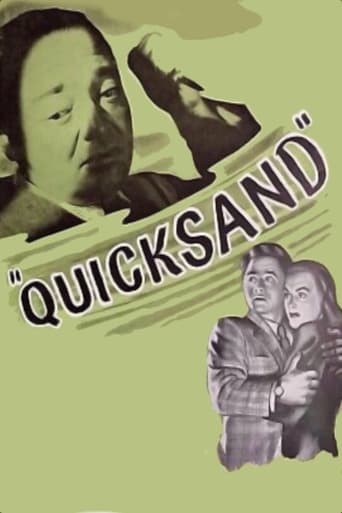 Quicksand · 1950
Quicksand
★ 6.11950
MovieCrimeThriller
Young auto mechanic Dan Brady takes $20 from a cash register at work to go on a date with blonde femme fatale Vera Novak. Brady intends to put the money back before it is missed, but the garage's bookkeeper shows up earlier than scheduled. As Brady scrambles to cover evidence of his petty theft, he fast finds himself drawn into an ever worsening "quicksand" of crime.
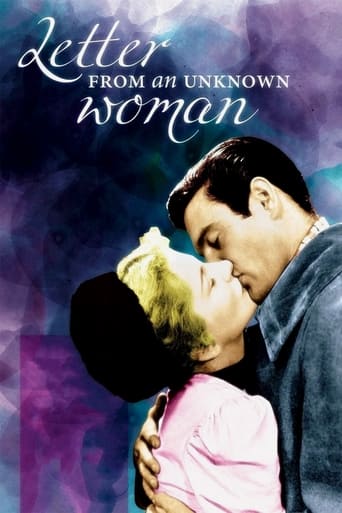 Letter from an Unknown Woman · 1948
Letter from an Unknown Woman
★ 7.81948
MovieDramaRomance
A pianist about to flee from a duel receives a letter from a woman he cannot remember. As she tells the story of her lifelong love for him, he is forced to reinterpret his own past.
Filmography
Sort
The Hustler · 1961The Hustler
★ 7.71961
MovieDramaRomance
Fast Eddie Felson is a small-time pool hustler with a lot of talent but a self-destructive attitude. His bravado causes him to challenge the legendary Minnesota Fats to a high-stakes match.
Old Man Attendant (uncredited)