Acting

Tatsumi Hijikata

Born March 9, 1928 · Akita, Akita Prefecture, Japan

Died January 21, 1986 · aged 57

No biography available.

Known For
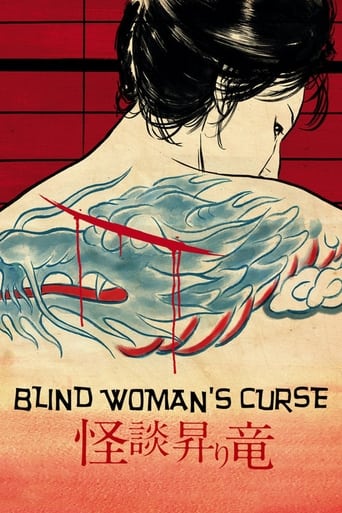
Blind Woman's CurseBlind Woman's Curse · 1970
Blind Woman's Curse
★ 6.31970
MovieCrimeHorror
Akemi is a dragon tattooed leader of the Tachibana Yakuza clan. In a duel with a rival gang Akemi slashes the eyes of an opponent and a black cat appears, to lap the blood from the gushing wound. The cat along with the eye-victim go on to pursue Akemi’s gang in revenge, leaving a trail of dead Yakuza girls, their dragon tattoos skinned from their bodies.
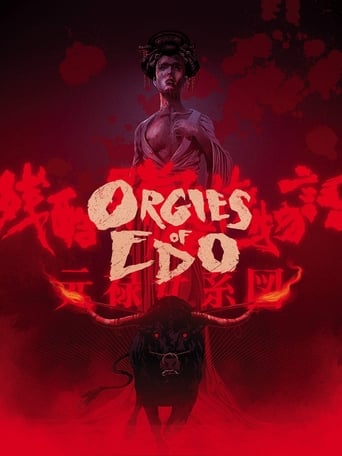
Orgies of EdoOrgies of Edo · 1969
Orgies of Edo
★ 5.91969
MovieDramaThriller
Three stories of moral sickness set during Japan’s prosperous Genroku era are told in this bloody follow-up to the sexploitation classic Shogun’s Joy of Torture, the politically incorrect moral lessons paint a trio of tales of tragic heroines caught up in violence, sadomasochism, incest and torture.
Love and CrimeLove and Crime · 1969
Love and Crime
★ 7.21969
MovieCrimeDrama
Discover 4 famous Japanese murderers: Takahashi Oden, the last woman beheaded in Japan, Sada Abe, a crazy lover, Kunihiko Kodaira, a rapist-killer and finally, the Toyokaku case, a woman who did everything to own a hotel.
Horrors of Malformed MenHorrors of Malformed Men · 1969
Horrors of Malformed Men
★ 5.71969
MovieHorrorMystery
After escaping from an insane asylum, a medical student assumes the identity of a mysterious dead man, who appears to be his doppelganger, and gets lured to a sinister island ruled by a mad scientist and his malformed men.
HimikoHimiko · 1974
Himiko
★ 6.91974
MovieDramaHistory
A reimagination of the myth of Himiko, focused on her divine role as a sun goddess's oracle and her forbidden love for her half-brother Takehiko, which threatens her power and the kingdom's stability.
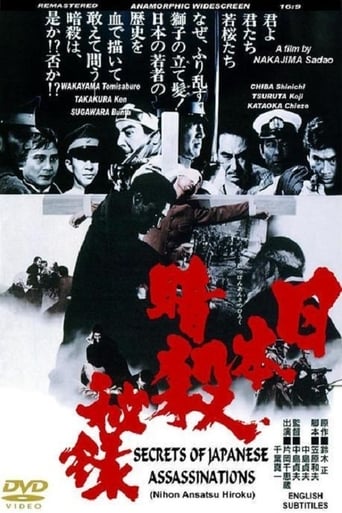
Memoir of Japanese AssassinationsMemoir of Japanese Assassinations · 1969
Memoir of Japanese Assassinations
★ 7.51969
MovieDramaHistory
This anthology film consists of nine incidents in the late 19th and early 20th centuries when assassins changed the course of Japanese history.
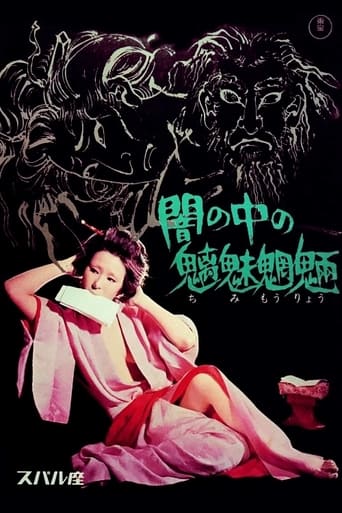
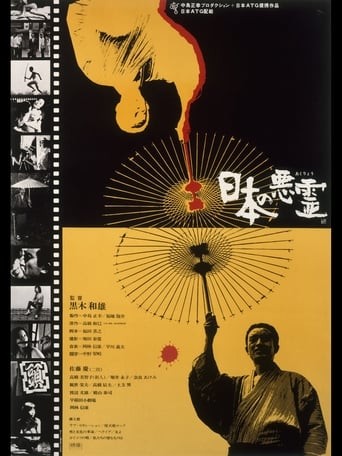
Evil Spirits in the DarknessEvil Spirits in the Darkness · 1971
Evil Spirits in the Darkness
★ 6.21971
Movie
The film depicts the youth of Kinzo, a heretic painter who worked in Tosa during the late Edo period, and the hurricane-like inner side of his life.
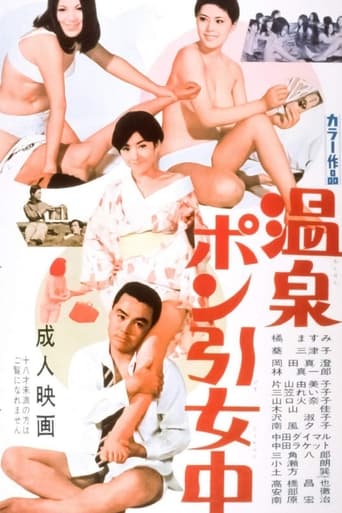
Daring GirlsDaring Girls · 1969
Daring Girls
★ 8.01969
MovieDramaCrime
Two sisters involved in rival underworld sex trade factions compete against each other in this tale of elaborate sex antics, yakuza crime, and bloody revenge.

Filmography

Sort
A Summer Storm: Butoh of Dark Spirit SchoolA Summer Storm: Butoh of Dark Spirit School · 2003
A Summer Storm: Butoh of Dark Spirit School
2003
MovieDocumentary
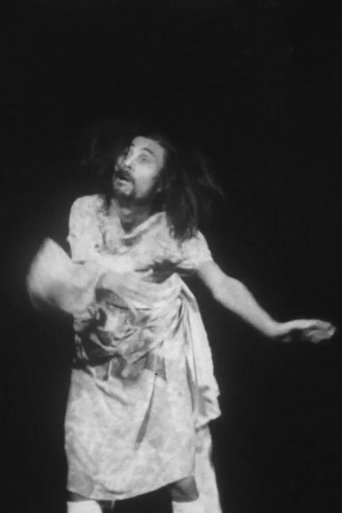
Ankoku Butoh is a style of avant-garde dance that established itself in the counter culture experimental arts scene of post WWII Japan. The dance form is thought to have been founded by Tatsumi Hijikata, who both created and performed in butoh pieces from the late 1950’s - through the early 1970’s. In butoh, the style of movement is extremely stylized and deliberate, vacillating between slow and sharp, expressing feelings of dread, sexualization, violence, calmness, birth and “creatureness” among other things. This performance of Summer Storm was originally recorded in 1973 at Westside Auditorium, Kyoto University, Japan, and was Hijikata’s last public performance before his death in 1986 with Butoh of Dark Spirit School. Video version produced in 2003.
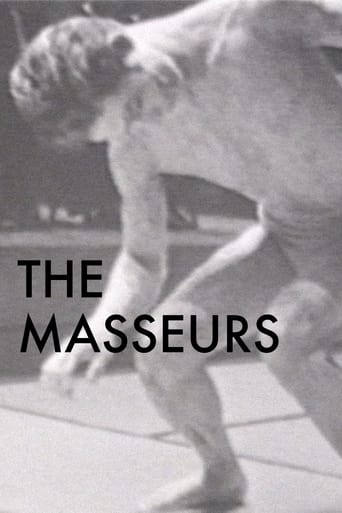
The MasseursThe Masseurs · 1963
The Masseurs
1963
MovieDocumentary
Anma (The Masseurs) is a representative and historical work by the creator of Butoh dance, Tatsumi Hijikata in his early period in the 1960s. The film is realized not only as a dance document but also as a Cine-Dance, a term made by Iimura, that is meant to be a choreography of film. The filmmaker "performed" with a camera on the stage in front of the audience. With the main performers: Tatsumi Hijikata and Kazuo Ohno, the film has the highlights such as Butohs of a soldier by Hijikata & a mad woman by Ohno. There is a story of the mad woman, first outcast and ignored, at the end joins to the community through her dance. Inserted descriptions of Anma (The Masseurs) are made for the film by the filmmaker, but were not in the original Butoh. The film, the only document taken of the performance, must be seen for the understanding of Hijikata Butoh and the foundation of Butoh.
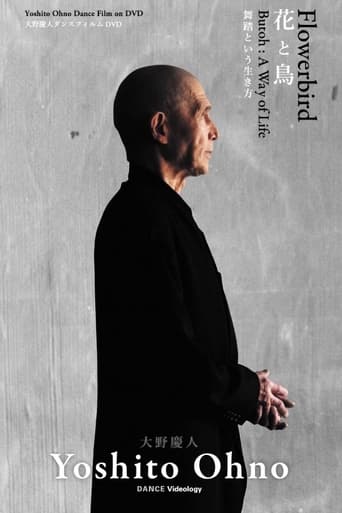
Flowerbird Butoh: A Way of LifeFlowerbird Butoh: A Way of Life · 2015
Flowerbird Butoh: A Way of Life
2015
MovieDocumentary
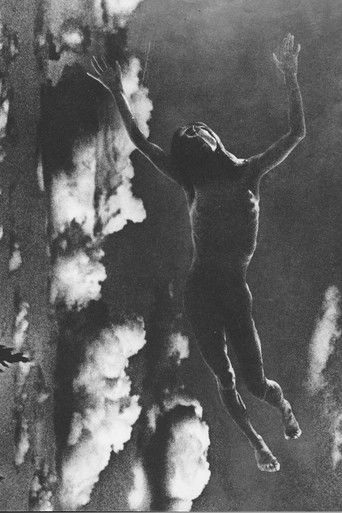
Comprising historic archive footage and texts this DVD box enlightens us greatly about Yoshito Ohno's here and now. Butoh has a distinct starting point, namely, in 1959, with Kinjiki , a duet featuring Tatsumi Hijikata and Yoshito Ohno. His father, the legendary Kazuo Ohno created another epoch-making opus in 1977 Admiring La Argentina, with Yoshito Ohno as production manager. These links are no mere coincidence. To date, we've tended to overlook Yoshito Ohno, barely granting him the recognition he merits. Just as dance requires a lengthy gestation period in which to evolve, his dance has finally come into our field of vision, in all its freshness and stark-nakedness, linking Butoh's origins to its zenith, to a point where he now stands at a crossroads.
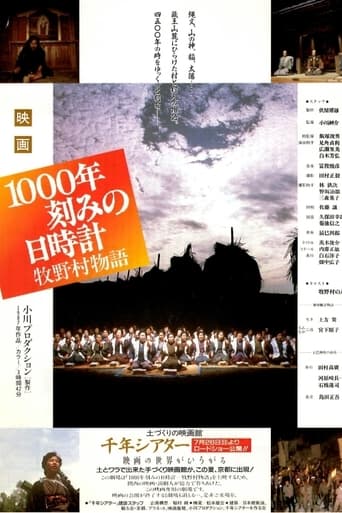
Magino Village: A TaleMagino Village: A Tale · 1987
Magino Village: A Tale
★ 6.81987
MovieDocumentaryDrama
The movie compiles footage taken by Ogawa Production for a period of more than ten years after the collective moved to Magino village. Unique to this film are fictional reenactments of the history of the village in the sections titled "The Tale of Horikiri Goddess" and "The Origins of Itsutsudomoe Shrine". Ogawa combines all the techniques that were developed in his previous films to simultaneously express multiple layers of time—the temporality of rice growing and of human life, personal life histories, the history of the village, the time of the Gods, and new time created through theatrical reenactment—bring them into a unified whole. The faces of the Magino villagers appear in numerous roles transcending time and space—sometimes as individuals, sometimes as people who carry the history of the village in their memories, sometimes as storytellers reciting myths, and even as members of the crowd in the fictional sequences.
Kazuo Ohno: Beauty and StrengthKazuo Ohno: Beauty and Strength · 2001
Kazuo Ohno: Beauty and Strength
2001
MovieDocumentary
In the 60's and into the 70's, Kazuo Ohno himself produced three 16mm films. His many performances at the "Teatro Fonte" in Yokohama have been preserved with high quality Beta cameras. In addition, the television station NHK has made recordings of many of his theater performances since the premiere of "The Dead Sea" in 1985. Together, the Kazuo Ohno Dance Studio and NHK own over one hundred hours of footage. This is complemented by a 1994 film by Daniel Schmid and new 16mm footage of Kazuo Ohno filmed especially for this project in October of 2000. From these resources, this 111 minute Video/DVD was assembled. "Beauty and Strength" includes dance performances, film excerpts and interviews, examples of Ohno's drawings and writings, as well as biographical information, creating a comprehensive look into the world of Kazuo Ohno's dance.