A
Directing
Anna Lajolo
No biography available.
Known For
 A corpo · 1968
A corpo
1968
Movie
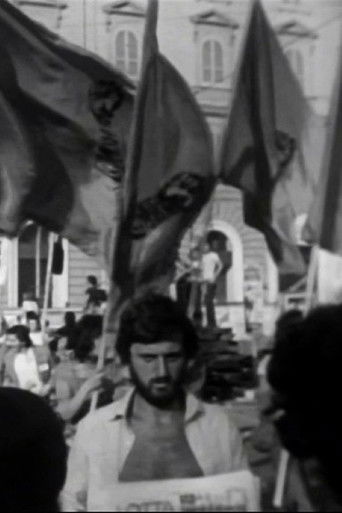
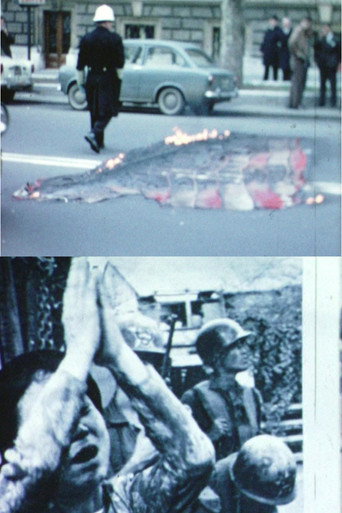
With rapid editing that alternates a wide range of sources through an extensive variety of shooting and editing techniques, A Corpo is a drift through the consumer imagery of the day, in which the body of the single individual corresponds to political struggle, militancy and anti-imperialist engagement against the war in Vietnam. —Tate Modern
 B · 1969
B
★ 7.51969
Movie
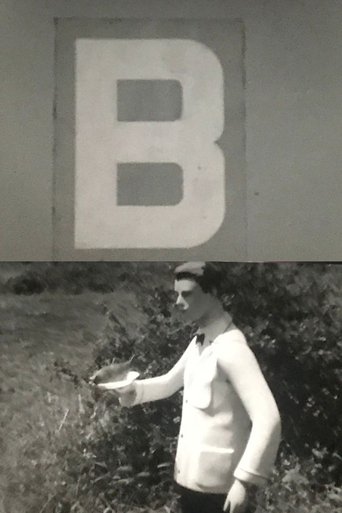
Some persons bring chickens and fishes as presents to some actors who are playing, while the Warrior tries the mirror's suicide, but fails in seeing the Death. Outside, chewing-gums are distributed away and the Spring passes by, turning into a little girl. –G. L.
 South Atlantic · 2013
South Atlantic
2013
Movie
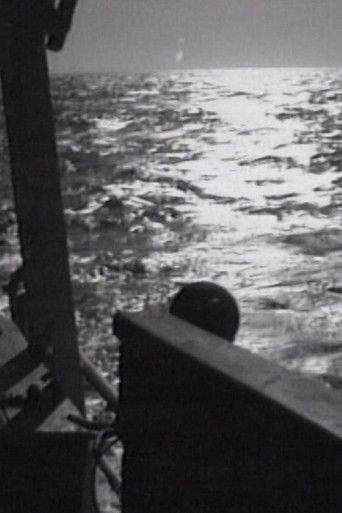
Video images shot on the ferry with which filmmakers Anna Lajolo and Guido Lombardi travelled to the island of Tristan da Cuhna, the subject of a documentary shot in 1992 for the Italian public television channel RAI.
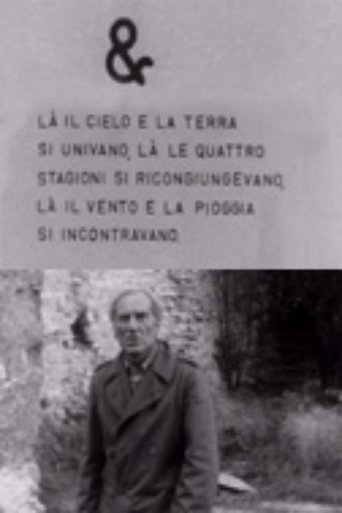 & - Là il cielo e la terra si univano, là le stagioni si ricongiungevano, là il vento e la pioggia si univano · 1972
& - Là il cielo e la terra si univano, là le stagioni si ricongiungevano, là il vento e la pioggia si univano
1972
MovieDocumentary
It is a film about real people who have had and continue to have adversarial relationships with society. These individuals recount dramatic, traumatic personal experiences of flight, emigration, and segregation.
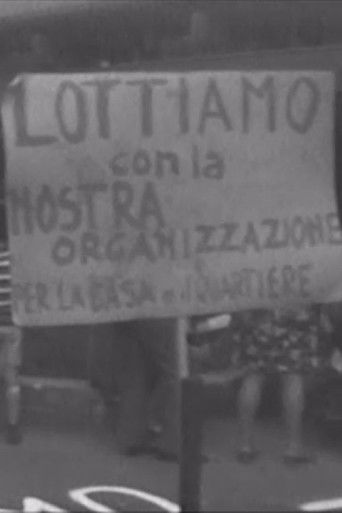 La nostra lotta è l'autoriduzione, la nostra forza è l'organizzazione · 1972
La nostra lotta è l'autoriduzione, la nostra forza è l'organizzazione
1972
Movie
The struggle for housing in Rome, in the area of Magliana. Self-organization is opposed to the mediation of political parties, especially the Communist Party, and emerges as the only way for the emancipation and re-appropriation by the exploited.
 A · 1969
A
★ 5.71969
Movie
Experimental short by Anna Lajolo and Guido Lombardi.
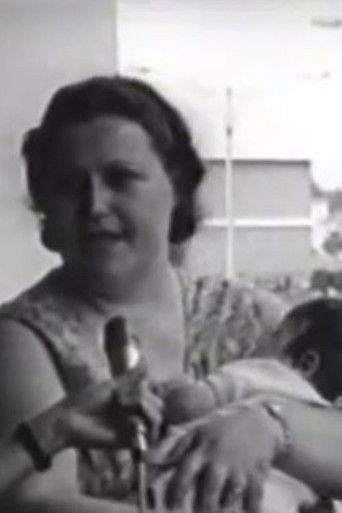 La casa è un diritto non un privilegio · 1970
La casa è un diritto non un privilegio
1970
MovieDocumentary
The documentary deals with the struggle s to obtain decent housing in a metropolis such the capital city of Italy in which the right for all to an acceptable dwelling is met with by all kids of serius obstacles-the chaotic increase of urbanization, the building speculation, the degradayion of suburbs, the magnitudine of slums with their unfortunatle inhabitants whose living condition have been dramatic for years. Starting from the Roman situation, the documentary faces the general housing problem in the country as whole and therefore the problrm of the struggles which people support - also through new structures such as People's Councils and Commitees - on the entire national territory in oder to attain one the primary goals of a decent society: a home whorty of its name for all its citizens.
 Porto Marghera, il lavoro contro la vita · 1979
Porto Marghera, il lavoro contro la vita
1979
MovieTV MovieDocumentary
The struggles of the workers at Montedison in Porto Marghera, following an accident that resulted in the deaths of three people.
Filmography
Sort