Acting
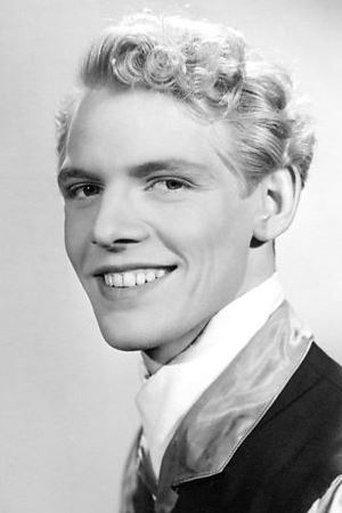
Ib Mossin
Born July 3, 1933 · Frederiksberg, Copenhagen, Denmark
Died December 17, 2004 · aged 71
Ib Mossin was a Danish actor, singer and director best known for his role as heartthrob Peter of the hugely popular Far til Fire film series. He had his breakthrough as the apprentice Egon in 1953's Farlig Ungdom, a stark drama about the crime scene in Copenhagen among adolescents.
Known For
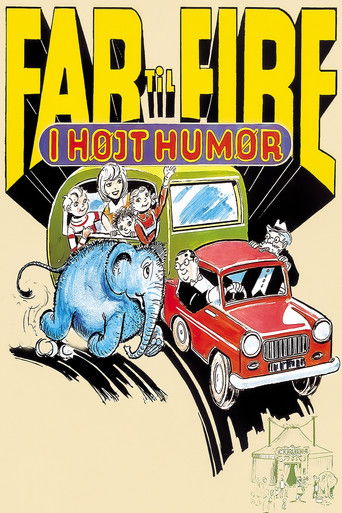
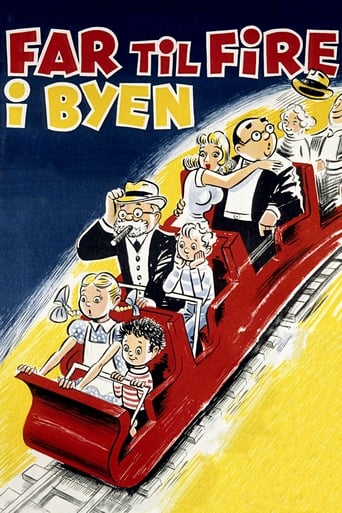 Father of Four: In the City · 1956
Father of Four: In the City
★ 6.21956
MovieComedyFamily
Lilleper is starting school, and on the last day of summer vacation, his father invites the whole family to a party at Tivoli. But then everything goes wrong. Per doesn't like school. Søs falls out with Peter, Mie is accused of theft, and his father is fired from his job and talks about selling the house. Everyone is looking forward to a sad Christmas, but maybe Lilleper will still go to the "Christmas Ball in Nisseland."
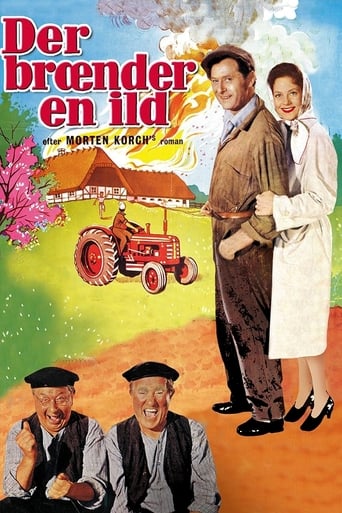 Der brænder en ild · 1962
Der brænder en ild
★ 7.81962
MovieFamilyDrama
Martin returns home with a good sum of money in his pocket after working in Greenland. He settles down with his sister, who runs the inn – but much has changed. He is most disappointed that his childhood sweetheart Martha has married Just Hovmand, who owns the Lunehøj farm. Martin starts a machine station and is immediately ready to help Martha and her husband when they run into financial difficulties. But stubborn Just refuses to accept money from Martha's former boyfriend. As usual in a good Morten Korch film, there are a couple of pleasant 'cousins' – Chr. Arhoff and Peter Malberg – and they come up with many good solutions...
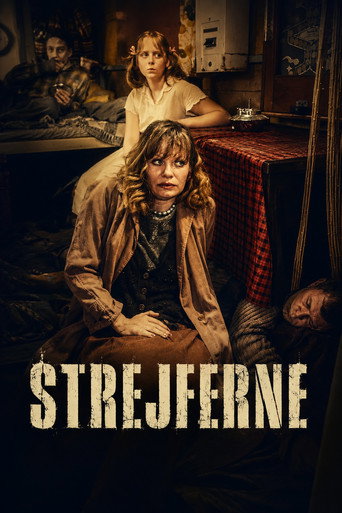 Strejferne · 1980
Strejferne
★ 6.01980
MovieDramaScience Fiction
In a dystopian future, Denmark's lower classes must live as nomads—living in vans, always on the move, endlessly driving on a system of ring roads. Although they try to maintain a certain degree of humanity in their daily lives, there is no room for emotion or compassion among the wanderers.
 Tykke Olsen · 1971
Tykke Olsen
★ 9.01971
MovieDrama
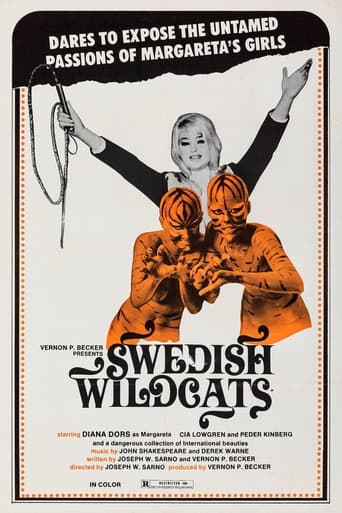 Swedish Wildcats · 1972
Swedish Wildcats
★ 4.71972
MovieDrama
The sadistic Madam Margareta is a talking side of beef that serves as the hostess and ring leader for a live sex tease show and whorehouse. Madam's shows always feature her bodacious nieces Susanna and Karen, who perform in everything from striptease to S&M acts. Karen meets and eventually runs away with a rich guy. Susanna falls in love with a deceptive airport cargo handler. After several more kinky shows and various soft core sex scenes, Karen is gone and Susanna and her man find out the truth behind each others lies.
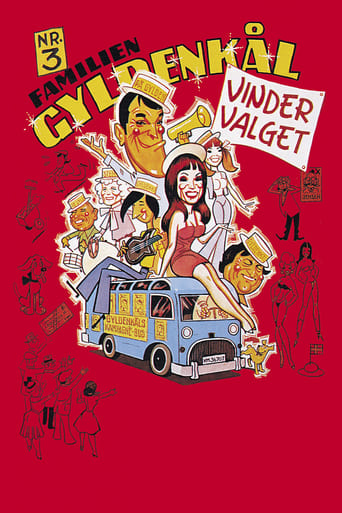 The Goldcabbage Family Gets the Vote · 1977
The Goldcabbage Family Gets the Vote
★ 5.21977
MovieComedyCrime
The final film in the Gyldenkål trilogy. Following a financial downturn, Charles Gyldenkål decides to run for municipal office. After an unconventional election campaign, he is elected to the city council and becomes the deciding vote in the mayoral election.
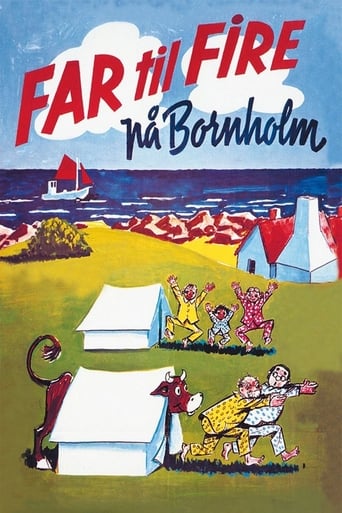 Father of Four: On Bornholm · 1959
Father of Four: On Bornholm
★ 5.81959
MovieFamilyComedy
The popular Danish family are vacationing on the island of Bornholm. Unfortunately, they have not been able to get hotel rooms, but Tiny Per, always resourceful, have come up with the idea that they must sleep in a tent. Father and Uncle Anders are not quite enthusiastic about the idea, but there is nothing else to do.
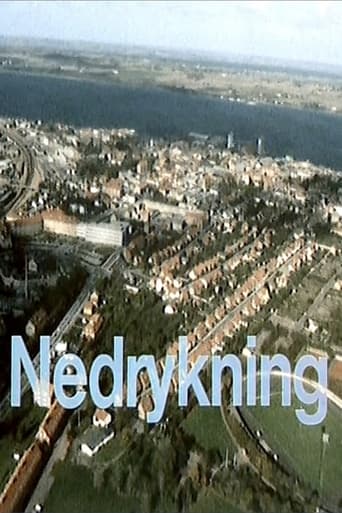 Nedrykning · 1979
Nedrykning
1979
MovieDramaTV Movie
In the past, it was sport and camaraderie that mattered at the RHI football club. Now it's the battle for position, but at the same time, the club is still going downhill. One day, the team's best player leaves the field in the middle of a match. TV play by Henry Smith.
Filmography
Sort