R
Directing
Rebecca Baron
No biography available.
Known For
 Lossless #1 · 2008
Lossless #1
★ 6.02008
Movie
In "Lossless No. 1," Baron and Goodwin attempt to visualize the difference between film and digital video by isolating a particularly powerful sequence of 48 frames from "The Wizard of Oz," scanned from a 35mm film print, but also extracted from a DVD release of the film. The artists then digitally subtracted the DVD frames from the scanned film frames, leaving an image that reveals the difference between the analog and digital formats. The result is 31 seconds of Dorothy's ruby slippers clicking together, over and over, the shoes, her legs, and her dress a shimmering beacon, an immortal moment of intense wishing.
 Lossless #2 · 2008
Lossless #2
2008
Movie
Lossless #2 is a mesmerizing assemblage of compressed digital images of Maya Deren and Alexander Hammid’s 1943 masterpiece Meshes of the Afternoon. Baron and Goodwin play heavily with Teiji Ito’s 1959 soundtrack, making the film’s lyrical ambience feel more astonishing than ever before
 Nearest Neighbor · 2023
Nearest Neighbor
2023
MovieDocumentary
Nearest Neighbor explores the relationship between technology and the living, applied here to birds. How far is humankind willing to go to invent tools designed to replace their understanding of the world? In this film, transhumanist AI technologies turn into ornithologists, resulting in some unlikely and absurdly comical scenarios.
 Lossless #3 · 2008
Lossless #3
★ 5.02008
Movie
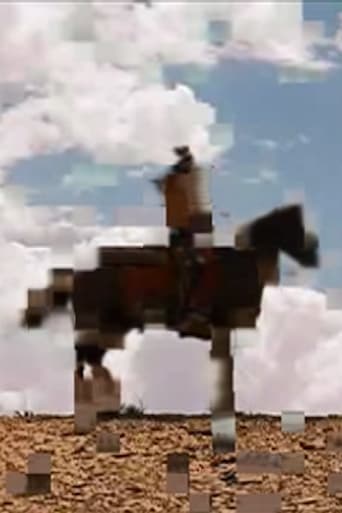
The keyframes — reference frames that define the starting and ending points of smooth transitions — from a digital version of John Ford's 1956 Western "The Searchers" have been removed, resulting in a fluid movement, "unanchored from the original photographic print," per provided information. Horseback riders slide along the landscape, trailing pixilated fragments of themselves, as if leaving traces of their presence on the scene. A man turns his head and his lips run along his face as if smeared with make-up, blocky clouds slide across the sky, and splashy cubes are kicked up when the riders cross a river.
 Lossless #4 · 2008
Lossless #4
2008
Movie
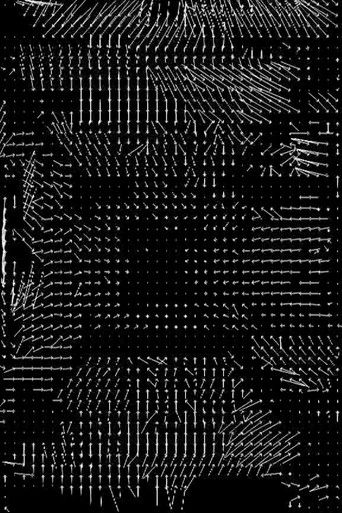
The picture has been removed from Ernie Gehr's Serene Velocity, leaving only the vectors that describe apparent movement within the frame. Here, a black void is filled with a grid of white dots from which white lines are anchored and shift about hypnotically. This is the digital medium, stripped down to its skeleton and exposing the formal qualities of the film. It is much like encountering not a foreign language, but an inhuman language; a language meant for machines, though created by humans.
 Sweetgrass · 2009
Sweetgrass
★ 6.72009
MovieDocumentary
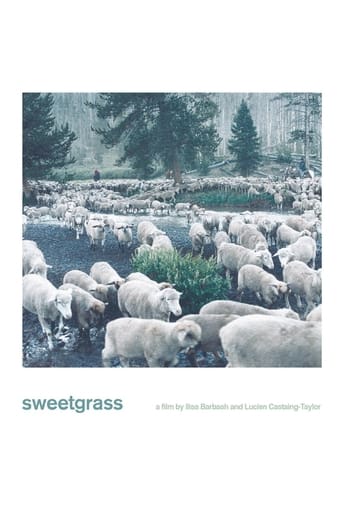
An unsentimental elegy to the American West, Sweetgrass follows the last modern-day cowboys to lead their flocks of sheep up into Montana's breathtaking and often dangerous Absaroka-Beartooth mountains for summer pasture, revealing a world in which nature and culture, animals and humans, vulnerability and violence are all intimately meshed.
 Hearing · 2019
Hearing
2019
Movie
CUT IT OUT – FILMS AGAINST CENSORSHIP Renowned Filmmakers from 20 countries around the globe produce films against censorship. Each film is 45 seconds long and sends a clear sign of solidarity to those living in countries with limited freedom of speech, while at the same time pointing out the risks of censorship endangering even liberal societies today.
 My White Baby · 2009
My White Baby
★ 7.72009
MovieDocumentary
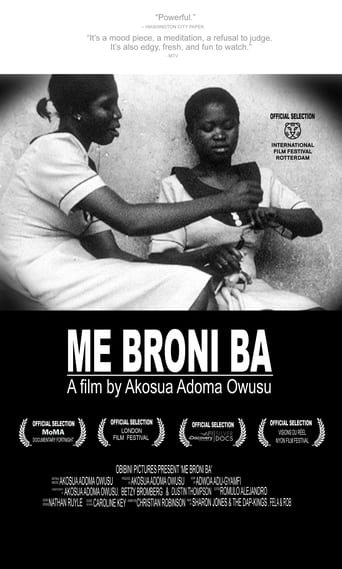
Me Broni Ba is a lyrical portrait of hair salons in Kumasi, Ghana. The tangled legacy of European colonialism in Africa is evoked through images of women practicing hair braiding on discarded white baby dolls from the West. The film unfolds through a series of vignettes, set against a child's story of migrating from Ghana to the United States. The film uncovers the meaning behind the Akan term of endearment, me broni ba, which means “my white baby.”
Filmography
Sort