B
Directing
Bruno Muel
No biography available.
Known For
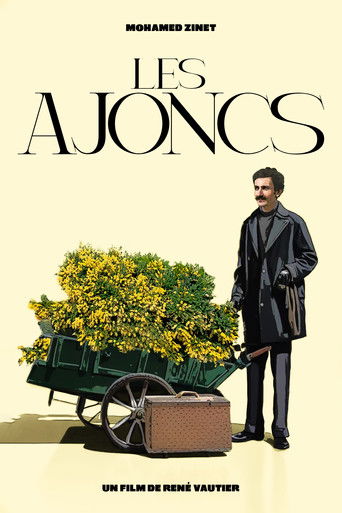 Les Ajoncs · 1970
Les Ajoncs
★ 8.51970
MovieComedyAdventure
An unemployed Algerian worker leaves Paris by hitchhiking. He soon found himself in Brittany and, seduced by the beauty of wild gorse, eventually established himself as a gorse merchant. But for problems with parking his little cart, he had a rough explanation with a law enforcement officer. The happy intervention of factory workers, the eager kindness they showed him, saved him from despair. This film is part of a trilogy "Them And Us" with the films "Les 3 Cousins" and "Techniquement Si Simple".
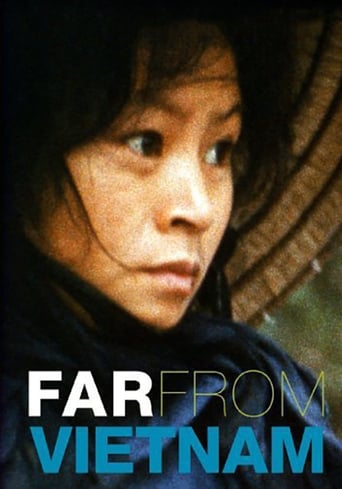 Far from Vietnam · 1967
Far from Vietnam
★ 7.21967
MovieDocumentaryWar
In seven different parts, Godard, Ivens, Klein, Lelouch, Marker, Resnais, and Varda show their sympathy for the North-Vietnamese army during the Vietnam War.
 Rio Chiquito · 1965
Rio Chiquito
1965
Movie
Documentary filmed in 1965 by two journalists in the remote town of Rio Chiquito, Colombia, a self-proclaimed communist "republic." The film shows the live of villagers and guerilleros before and after an attack by Colombian government forces.
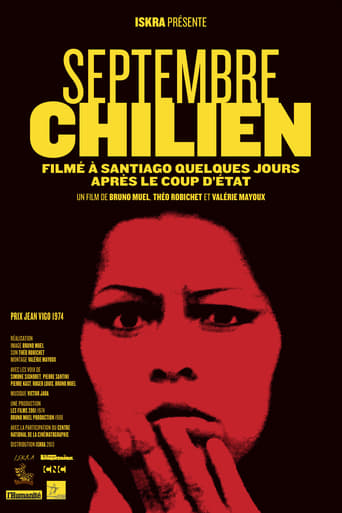 Septembre Chilien · 1973
Septembre Chilien
★ 10.01973
MovieDocumentary
Bruno Muel's documentary on the coup in Chile in 1973. Muel, who was part of the famed Medvedkine group, along with Chris Marker and Jean-Luc Godard, among others, captured one of the most powerful portraits of the early days of Dictatorship. Profound solidarity with the socialist cause, Muel and his team showed great courage to mix the official registration of images with those triumphant, clandestine, of the nascent opposition.
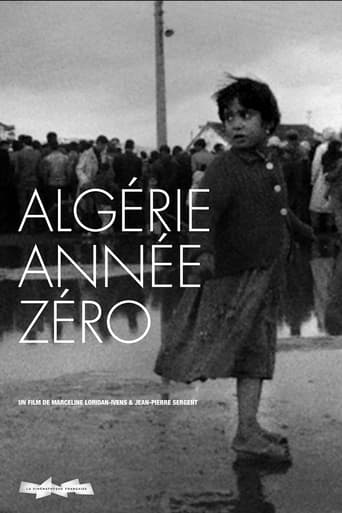 Algeria, Year Zero · 1965
Algeria, Year Zero
★ 10.01965
MovieDocumentary
Documentary on the beginnings of Algerian independence filmed during the summer of 1962 in Algiers. The film was banned in France and Algeria but won the Grand Prize at the Leipzig International Film Festival in 1965. Out of friendship, the production company Images de France sent an operator, Bruno Muel, who later declared: "For those who were called to Algeria (for me, 1956-58), participating in a film on independence was a victory over horror, lies and absurdity. It was also the beginning of my commitment to the cinema."
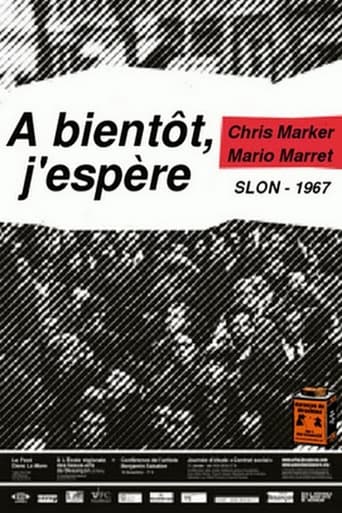 Be Seeing You · 1968
Be Seeing You
★ 6.31968
MovieDocumentary
A documentary look at striking workers in a textile plant in Besançon, France, centering on interviews with workers about their motivations for becoming involved with the union and the struggles of their day to day life.
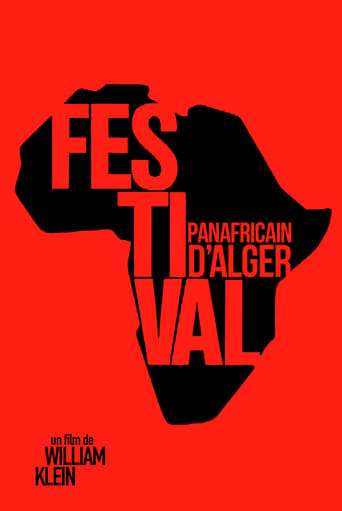 The Pan-African Festival in Algiers · 1969
The Pan-African Festival in Algiers
★ 6.01969
MovieDocumentaryMusic
Festival panafricain d'Alger is a documentary by William Klein of the music and dance festival held 40 years ago in the streets and in venues all across Algiers. Klein follows the preparations, the rehearsals, the concerts… He blends images of interviews made to writers and advocates of the freedom movements with stock images, thus allowing him to touch on such matters as colonialism, neocolonialism, colonial exploitation, the struggles and battles of the revolutionary movements for Independence.
 Le Dos au mur · 1981
Le Dos au mur
1981
MovieDocumentary
Filmography
Sort
Le Dos au mur · 1981Le Dos au mur
1981
MovieDocumentary
Director of Photography
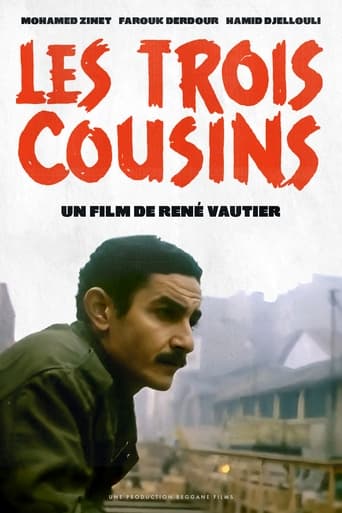
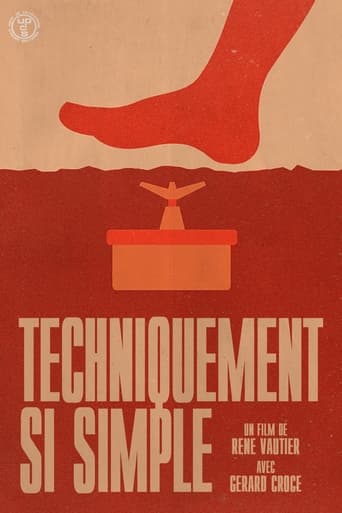 Techniquement Si Simple · 1971
Techniquement Si Simple
★ 8.21971
MovieHistoryDrama
Director of Photography