Hu Jie

Directing

Hu Jie

Born January 1, 1958 · Jinan, Shandong, China (age 68)

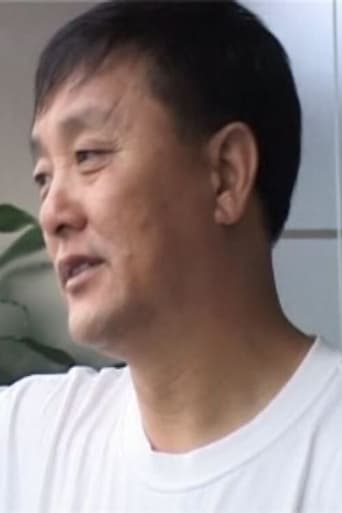
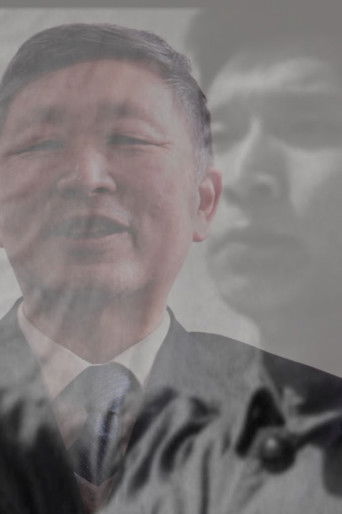
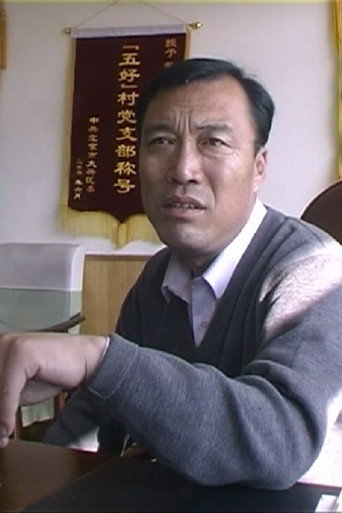
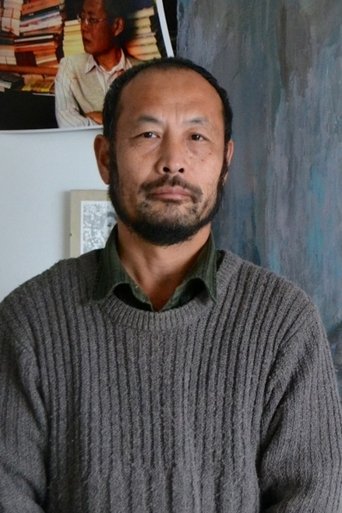
Hu Jie is a Chinese director, artist and former soldier.

Known For
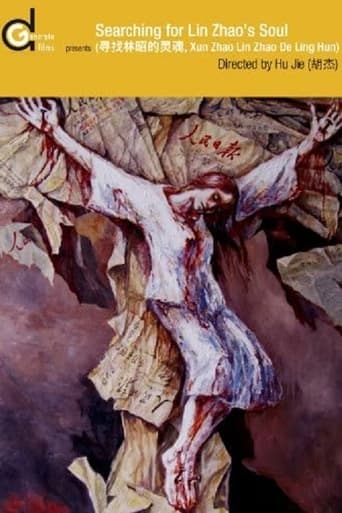
Searching for Lin Zhao's SoulSearching for Lin Zhao's Soul · 2004
Searching for Lin Zhao's Soul
★ 8.72004
MovieDocumentary
This landmark documentary reveals the tragic life of a gifted young woman who was executed for speaking out during the height of Chairman Mao’s rule.
SparkSpark · 2013
Spark
★ 8.02013
MovieDocumentary
Spark was an underground publication that emerged in Gansu province in 1960, and was centered on the ongoing famine and the Great Leap Forward. Ultimately, 43 people, including the Rightist teachers and students who were connected with the publication, the peasants and the rural cadres who sympathized with them, were arrested and given long prison terms. Among them, three key figures were executed during the Cultural Revolution.
Though I Am GoneThough I Am Gone · 2006
Though I Am Gone
★ 7.52006
MovieDocumentary
Filmmaker Hu Jie uncovers the tragic story of a teacher beaten to death by her students during the Cultural Revoution. In 1966, the Cultural Revolution exploded throughout China, as Mao's Red Guards persecuted suspected Rightists. Bian Zhongyun, the vice principal of a prestigious school in Beijing, was beaten to death by her own students, becoming one of the first victims of the revolutionary violence that would engulf the entire nation.
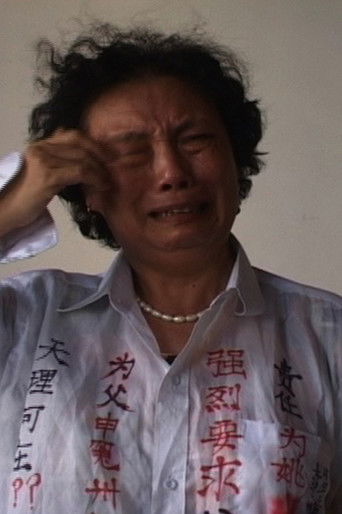
InjusticeInjustice · 2006
Injustice
2006
MovieDocumentary
This is a short documentary about a daughter who has been searching for the truth about her father’s death during the Cultural Revolution, but whom has found nothing.
Beside the SeaBeside the Sea · 2003
Beside the Sea
2003
Movie
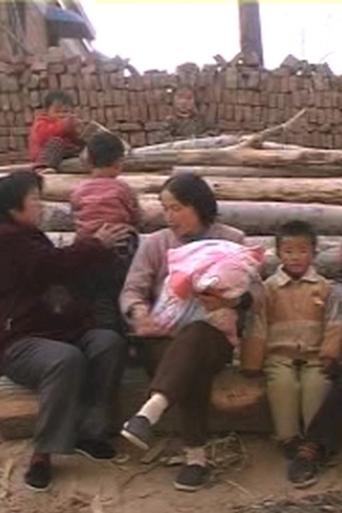
Because of difficulties where they live in the north east of China, a husband and wife go back to their hometown in Shandong Province and settle in their hometown by the sea with three children. With no land of their own, they have to face the sea, and start their life again.
Remote MountainRemote Mountain · 2003
Remote Mountain
2003
MovieDocumentary
This is a documentary about coal miners. In the Qilian mountains of Qinghai Province, where the altitude is over 3,600 meters and the air thin, there are numerous small coal mines in which work around 200 miners aged 17 to 50. Every day, they must crawl through pits 60 to 70 metres deep just to carry out 30 loads of coal. Each load weighs 50 kilograms. The miners earn 500 yuan a month, without insurance. Miners normally suffer from pneumoconiosis after working four or five years in the mine and cannot work thereafter. They usually spend their wages on building houses, marriage, and tuition fees for their children. If they die in an accident, their family receives a 5,000 yuan pension. This film is a record of these working conditions, and of human labour. (Shot June 1995.)
The Woman MatchmakerThe Woman Matchmaker · 2003
The Woman Matchmaker
2003
MovieDocumentary
In order to find such a fittingly inspiring matchmaker, the director visited nearly 10 matchmakers and finally selected the matchmaker in the film. The director then followed the matchmaker and witnessed the vicissitudes of life. In addition to the land, there is no form of art that can describe the heaviness of life and emotion. (Shot August 1995)
The Artists of YuanmingyuanThe Artists of Yuanmingyuan · 1995
The Artists of Yuanmingyuan
1995
MovieDocumentary
In the years before 1995, young artists who pursued free creativity came from all over the country to Yuanmingyuan, in the western suburbs of Beijing. These people settled in the rental houses of the village farmers, and then ambitiously bought paint-stretched canvases to explore and create art. The biggest difficulty they face is to make up for the monthly rent to be paid to the landlord. Selling paintings is not their only means of survival; they would also rely on other crafts to maintain their lives. Their works were very different; they have a spirit of rebellion, and they do not conform to traditional aesthetics. This is what caused Sate officials to intervene. (Shot May–December 1995.)

Filmography

Sort
Remote MountainRemote Mountain · 2003
Remote Mountain
2003
MovieDocumentary
This is a documentary about coal miners. In the Qilian mountains of Qinghai Province, where the altitude is over 3,600 meters and the air thin, there are numerous small coal mines in which work around 200 miners aged 17 to 50. Every day, they must crawl through pits 60 to 70 metres deep just to carry out 30 loads of coal. Each load weighs 50 kilograms. The miners earn 500 yuan a month, without insurance. Miners normally suffer from pneumoconiosis after working four or five years in the mine and cannot work thereafter. They usually spend their wages on building houses, marriage, and tuition fees for their children. If they die in an accident, their family receives a 5,000 yuan pension. This film is a record of these working conditions, and of human labour. (Shot June 1995.)

Director

MigrationMigration · 1995
Migration
1995
MovieDocumentary
A group of ancient Tibetan nomads live in the Qilian Mountains in western China. Their home is a tent made of yak hair. They change their location with the seasons — to allow their cattle and sheep to eat the best grass, while protecting the vegetation of the pasture. They stick to their traditional beliefs. The women chant scriptures from time to time while turning prayer wheels. In the evening, devout rituals are performed in front of small portraits of the Panchen Lama and the Dalai Lama. During migration, the families help each other pack their belongings and load them onto yaks; they ride horses, sing pastoral songs, and drive cattle and sheep along the ancient nomadic route. This film documents their journey — from the spring to the autumn. It is a spiritual and a practical life: Sheep are exchanged for yaks, wool for tea, fried noodles for money. Every cloud over the mountain has a divine nature; the sun and the moon are the Panchen Lama and the Dalai Lama. (Shot June 1995.)

Director

Survival or DestructionSurvival or Destruction · 2005
Survival or Destruction
2005
MovieDocumentary
This film highlights the collapse of Nanyang Education Group, the flagship of private education in China. Other private school principals, teachers and students, as well as scholars who study education, and some government officials were interviewed. They discuss the causes from different angles. Due to the marketization of education, in order to ensure their vested interests, public schools that originally held public educational resources have adopted strategies such as "prestigious schools building branch schools" and "prestigious schools running private schools" to privatize public educational resources in order to enjoy exclusive market share. The education management department is also willing to profit from such practices and use this competition to eliminate the idea of independent and pluralistic education. Under the protection of the monopoly of privileged interests and the "Promotion Law", many outstanding private schools shut down.

Director

Wang Keqin: ReporterWang Keqin: Reporter · 2005
Wang Keqin: Reporter
2005
MovieDocumentary
Wang Keqin was a reporter who dared to expose corrupt officialdom. Because his articles directly exposed stock market corruption and local government brutality to the public, people threatened to pay 500,000 yuan for his head. This attracted the attention of Premier Zhu Rongji. Wang was instructed to employ protection. This film documents Wang Keqin's interview experience in Min County, Gansu Province. Wang Keqin once wrote reports about officials oppressing the people there, which received widespread attention, so the cadres were brought to justice. The general public increased their legal awareness as a result of this incident, which also resulted in challenges to township governance. In the days that followed, the farmers who defended their rights continued to experience retaliation from the village cadres, and they kept calling Wang Keqin about their experiences.

Director

From Jiabian Gou to Mingshui RiverFrom Jiabian Gou to Mingshui River · 2021
From Jiabian Gou to Mingshui River
2021
Movie
This film narrates the tragic events that unfolded at Jiabian Gou Farm from 1958 to December 1960, resulting in the deaths of over two thousand individuals due to exhaustion and starvation. Originally a labor reform farm housing prisoners in Jiuquan City, Gansu Province, Jiabian Gou Farm was transformed in 1958 into a facility for re-educating labor inmates. It also took in over three thousand individuals labeled as rightists from Gansu, including university professors, county-level officials, military officers, professionals from various industries, and teachers from different schools. Amid the political terror of the Great Leap Forward, extravagant claims flourished, and an atmosphere of self-preservation and selective reporting of positive news prevailed. This environment led to instances of cannibalism being overlooked, even as people continued to starve to death.

Director

Red ArtRed Art · 2008
Red Art
★ 8.02008
MovieDocumentary
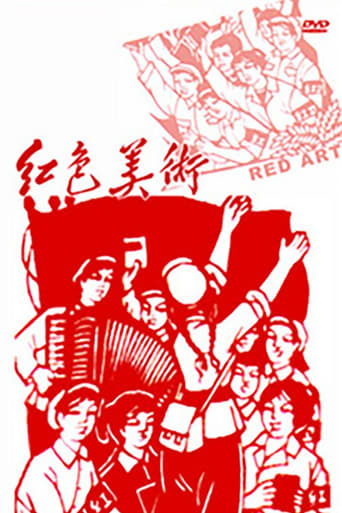
The launch and development of the Great Proletarian Cultural Revolution not only has a series of CCP Central Committee documents that have promoted wave after wave of movements, but also has various propaganda methods. A large number of different types of literary and artistic products have been produced in a collective form and with the input of the State. As a weapon of revolutionary struggle, works of art are important representatives of this period. Art was a tool for the Cultural Revolution; it fully embodies its aesthetic characteristics, actively cooperating with the development of various movements and the popularization of ideas. It has cultivated the values ​​and visual experience of a generation of Chinese people — the paintings of the Cultural Revolution have been regarded as treasures by Chinese collectors. This film shows the characteristics of the Cultural Revolution paintings through a large number of paintings, as well as the bloody violence and despotism behind them.

Director

Holy LightHoly Light · 1998
Holy Light
1998
MovieDocumentary
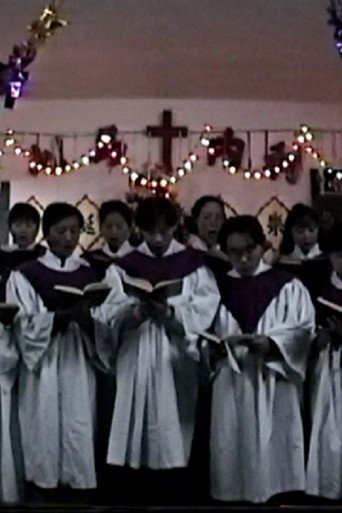
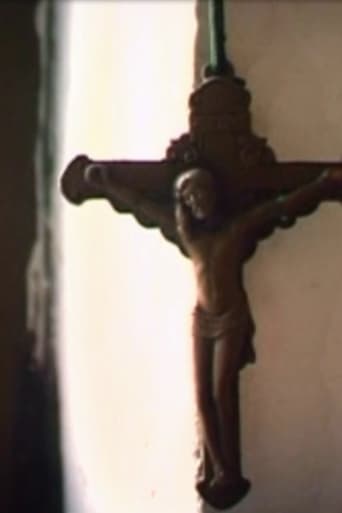
The melody of the hymn echoes in the old streets and alleys of the city. This is strange in a country that regards religion as a spiritual opium. The small, messy street was full of old people, and they began to pray with the sound of the room on the street. On the roof, a simple cross gleamed in the sun. During the Cultural Revolution, Christianity was completely eradicated. In China's political environment, Christianity has always been regarded as an extremely reactionary and evil thing, and openly believing in God would bring prison sentences. After the reform and opening up, Christianity also resumed activities. Although the Three-Self Church under official control is orthodox, house churches that are not under official control have also emerged in various cities. This film documents the activities of a house church in Nanjing.

Director

1968 Movement of Educated Youths Going to the Countryside and Mountains1968 Movement of Educated Youths Going to the Countryside and Mountains · 2018
1968 Movement of Educated Youths Going to the Countryside and Mountains
2018
MovieDocumentaryHistory
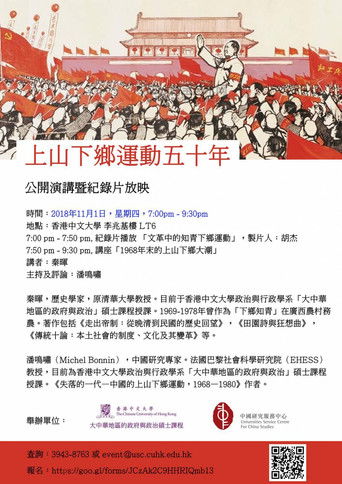
Despite the increasing number of people entering the field of documentary filmmaking, historical subjects are less popular due to limited materials and the difficulty in handling them. Hu Jie has chosen to stay in this field and work hard. "I know that shooting these historical subjects is very dangerous, so how can you ask others to do it? It can only be their choice after they have seen your work." Since 2014, due to health reasons, Hu Jie has not been actively making documentaries. This year, in response to an invitation from the Lung Ying-tai Cultural Foundation, he still provided the film "A Sidelight of the 1968 Up to the Mountains and Down to the Countryside Movement." Over the past three years, he has primarily engaged in printmaking, producing about 70 to 80 pieces, in addition to many small print bookplates.

Director

Little AngelLittle Angel · 2003
Little Angel
2003
MovieDocumentary
Zhou Hao's father was criticized and beaten during the Cultural Revolution. Though he was born with a congenital intellectual disability, Zhou Hao's parents loved him very much, and created a unique world with his unique talent for imitation. Since he was a child, Zhou Hao attended church with his grandmother, so he was able to recite passages from the bible despite never having been to school. Because he tries to persuade people to love each other, everyone calls him Little Angel. Now, he is more than 30 years old. In rural house churches where many people are illiterate, Zhou Hao has become their preacher. In this film, the camera observes the adult child, situating his behavior in the context of a real society lacking love and faith. The story captures the concrete influence of the old political madness on an ordinary couple; however, it is this child who still retains innocence and fantasy, reflecting the spiritual deficiencies and the absurdity of secular society.

Director

The Circle of LifeThe Circle of Life · 2002
The Circle of Life
2002
Movie
Like most local young women, Xiaohua met Chunling, a young man from another village, through a matchmaker and chose a good day to get married. After marriage, they live with Chunling's parents. The young couple fall in love with each other and give birth to a baby boy. According to the requirements of the national family planning policy, first-born males in rural areas cannot have further children. But farmers have their own ideas. A family should not have only boys, but also girls. If there are no boys, they will do everything possible to have boys to continue the family line. Therefore, the township government sends a family planning team. At the risk of being fined, Xiao Hua becomes pregnant again. When she’s in labor, Chunling finds a midwife. They successfully give birth to a baby girl. To avoid being arrested, Chunling takes initiative to pay a 3,000 fine. The couple leave their children with family and go to work in Beijing. (Shot from 1996-2007)

Director

Theater TroupeTheater Troupe · 1997
Theater Troupe
1997
Movie
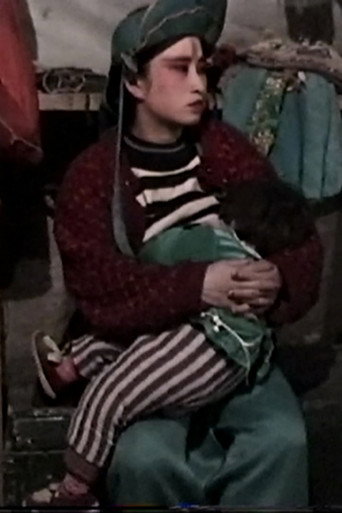
Folk theater is a representation of local culture in China — a reflection of its characteristics. Hu Jie filmed a mobile theater troupe's performance and as well their backstage drama. This is a Henan opera troupe; they perform in rural areas of Henan and Shandong. They contact village officials in advance, negotiate a price, and then come to perform. Such performances are welcomed by the villagers. The troupe is a closed small society. There is a strict hierarchical system inside: The protagonist of the troupe is usually invited from the state-run troupe to support the scene. These people eat delicious and spicy food, and the boss treats them indifferently. But child actors are like child labor in the troupe. Children are called apprentices, but are actually exploited and used like slaves. Children slowly grow into actors, and then find a partner in the troupe and get married. Women similarly are not treated well — they shine on the stage, but off-stage they're abused.

Director

The Democratically Elected Village ChiefThe Democratically Elected Village Chief · 2004
The Democratically Elected Village Chief
2004
MovieDocumentary
With the opening up of the economy, grassroots democracy has come. But since the land is owned by the state, the local government actually has absolute control. The so-called democratically elected village chief quickly learns that his role is to cooperate with the government in using land to develop the economy. Power-to-money transactions are open secrets. Due to the uneven economic development in the villages, each has a different story, but the use of land for profit is a constant theme. The filming location is a rural village in the outside Beijing. Less of focus is how villages elect than the mutation after. Faced with huge land assets and overseeing relationships between land, power, economics, social systems, how does a hard-working, upright peasant conduct himself? This film documents the pain: the experience of soul sublimation and degeneration. We see 'birth defects' in this "democracy" — one without checks and balances, grafted onto autocracy.

Director

Fated CalamityFated Calamity · 2020
Fated Calamity
2020
Movie
Unreleased Hu Jie film. Shot in Shandong and completed in July 2020. This film takes as its point of departure the 94-year-old Mr. Liu Yuxuan's being labeled as a Rightist in 1957 at the Qingdao Federation of Literary and Art Circles in Shandong. Mr. Liu graduated from the English Department of National Central University during the Republican era (1948), and he has kept a diary for 70 years. We follow his diaries and his correspondence with his wife as its main thread, presenting his experiences from 1958 to 1962, when he was first sent to the Qingshuibo Reform-through-Labor Farm and later to the Wangcun Mining District for re-education through labor. The film shows the process by which a free intellectual is “remade” into a socialist “new person,” in both spirit and body. It conveys that this is an inescapable karmic burden / fated ordeal in the destiny of this nation.

Director