Acting
Meredith Monk
Born November 20, 1942 · Queens, New York City, New York, USA (age 83)
Meredith Jane Monk (born November 20, 1942) is an American composer, performer, director, vocalist, filmmaker, and choreographer. From the 1960s onwards, Monk has created multi-disciplinary works which combine music, theatre, and dance, recording extensively for ECM Records.[1] In 1991, Monk composed Atlas, an opera, commissioned and produced by the Houston Opera and the American Music Theater Fes…
Known For
 Notre Musique · 2004
Notre Musique
★ 6.72004
MovieDrama
A three-chapter (Hell, Purgatory and Paradise) meditation on the city of Sarajevo in the wake of the Bosnian war, on Palestine and Israel, and on war itself.
 Turtle Dreams · 1983
Turtle Dreams
1983
MovieMusicTV Movie
Turtle Dreams, produced for WGBH-TV, originally aired September 2, 1983. Shot by Ping Chong. Composed by Meredith Monk, performed by her and her Vocal Ensemble.
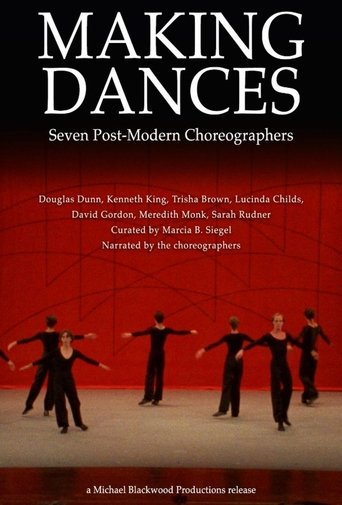 Making Dances: Seven Post-Modern Choreographers · 1980
Making Dances: Seven Post-Modern Choreographers
1980
MovieDocumentary
Made in 1980, this film explores the contemporary dance scene through the work of seven New York-based choreographers. They discuss the nature of dance and the evolution of their own work. Filmed at rehearsals, performances, and during interviews, the film is a unique primary source. The artistic roots of these seven artists can be found in Martha Graham's concern with modern life as a subject for dance and in Merce Cunningham's emphasis on the nature of movement. In the 1960s, the interaction of art forms generated choreographic innovations. Especially influential was John Cage, whose radical ideas served as a point of departure for much of the new choreography. Each of the choreographers in Making Dances draws inspiration from the Graham/Cunningham tradition, yet each makes a highly distinctive statement. Structure, movement in non-fictive time and space, and the nature of movement itself are recurring themes.
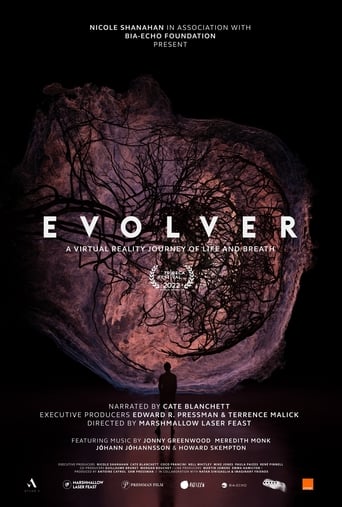 Evolver · 2023
Evolver
2023
MovieDocumentary
Evolver is a collective virtual reality experience which drops audiences deep inside the landscape of the body, following the flow of oxygen through our branching ecosystem to a single breathing cell.
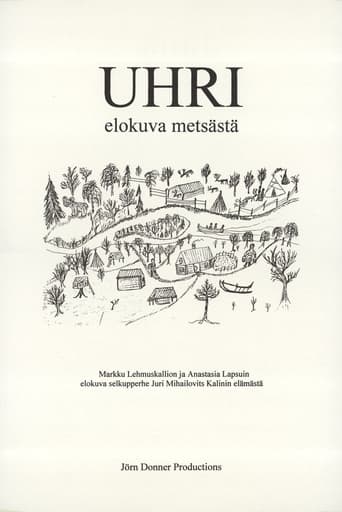 Uhri - elokuva metsästä · 1998
Uhri - elokuva metsästä
1998
MovieDocumentary
The film is both a folkloric film and a social documentary about the Selkupi people who live in Siberia and make their living from hunting and fishing. The film follows the life of Yuri Mikhailovich Kalin's family, which consists of fishing, trapping fur animals, and bartering their catch for food and other goods. The film also describes the gradual disappearance of the Selkup way of life, as young people are no longer very interested in the traditions of their people and many of them move to villages to live and seek work in the oil industry.
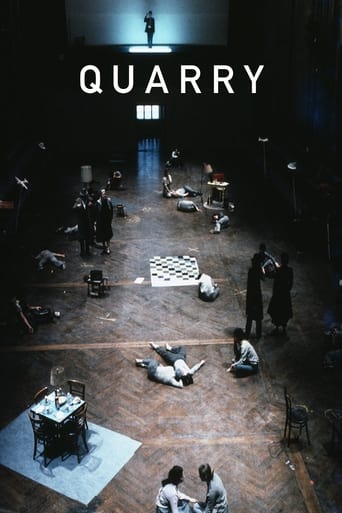 Quarry · 1978
Quarry
1978
MovieMusicDrama
Monk’s meditation on WWII and recurring cycles of intolerance, fascism, and cruelty in history originated in 1976 as a live stage work utilizing elements of music, images, movement, dialogue, film, sound, and light. This film version, shot on 16mm in the Lepercq Space at the Brooklyn Academy of Music in 1977, was created in partnership with the New York Public Library for the Performing Arts as part of their initiative to document ground-breaking live performance for future restaging. QUARRY centers on a sick American child (played by Monk herself) whose world darkens as her illness progresses, this darkening including the rise of a dictator. A unique document of this innovative, boundary-blurring production, and a work of art on its own terms, replete with a film-within-a-film directed by Monk in 1975.
 Children · 1967
Children
1967
Movie
Children play. First shown normally, then shown in reverse.
 Paris · 1982
Paris
1982
MovieMusic
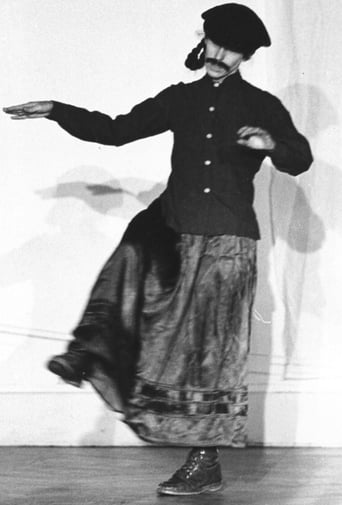
A filming of Meredith Monk and Ping Chong's 1973 experimental theatre piece.
Filmography
Sort