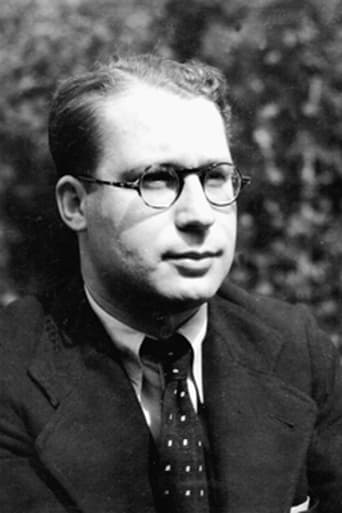
Directing
Henri Storck
Born September 5, 1907 · Oostende, West Flanders, Belgium
Died September 17, 1999 · aged 92
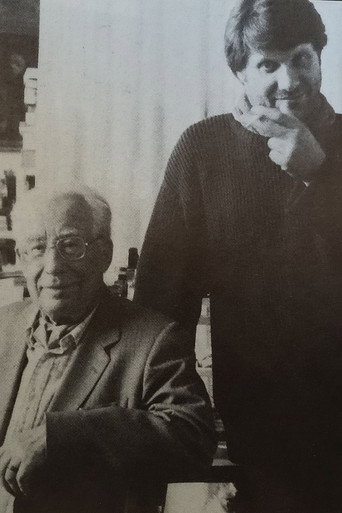
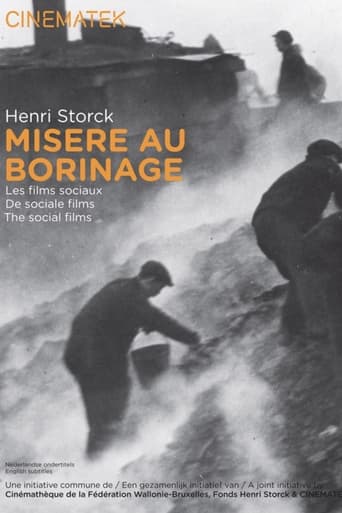
From Wikipedia, the free encyclopedia Henri Storck (1907, Ostend – 17 September 1999) was a Belgian author, film-maker and documentarist. In 1933, he directed, with Joris Ivens, Misère au Borinage, a film about the miners in the Borinage area. In 1938, with Andre Thirifays and Pierre Vermeylen, he founded the Cinémathèque Royale de Belgique (Royal Belgian Film Archive). He was an actor in two ke…
Known For
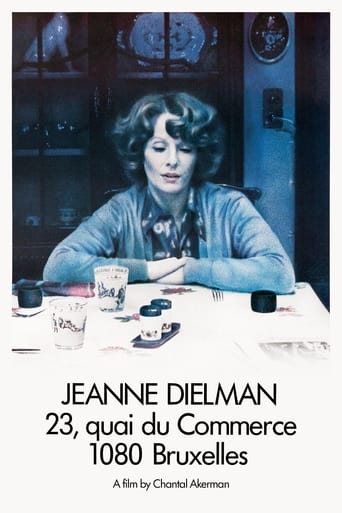 Jeanne Dielman, 23, quai du Commerce, 1080 Bruxelles · 1976
Jeanne Dielman, 23, quai du Commerce, 1080 Bruxelles
★ 7.41976
MovieDrama
A lonely young widow lives with her son following an immutable order: while the boy is in school, she cares for their apartment, does chores, and receives clients in the afternoon.
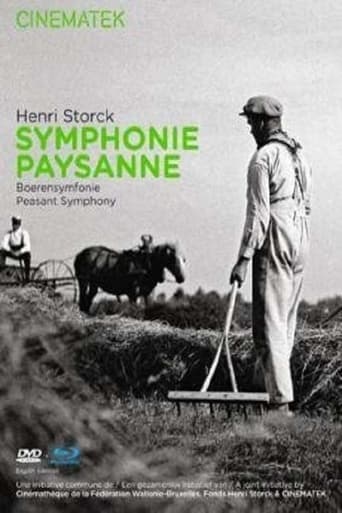 Peasant Symphony · 1944
Peasant Symphony
★ 7.51944
MovieDocumentary
From 1942 to 1944, Henri Storck composed his Symphonie paysanne, in which he describes the day to day life and rituals of the farmers on the rhythm of the seasons. The film is a poem to nature, a lyrical masterpiece on life and death, on animals and plants, on man and his labour.
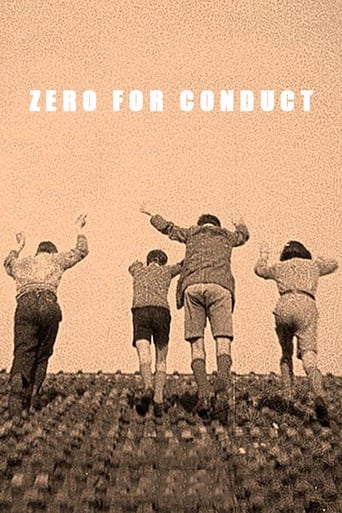 Zero for Conduct · 1933
Zero for Conduct
★ 6.91933
MovieComedyDrama
In a repressive boarding school with rigid rules of behavior, four boys decide to rebel against the director on a celebration day.
 Wonderen van het Afrikaanse Woud · 1968
Wonderen van het Afrikaanse Woud
1968
Movie
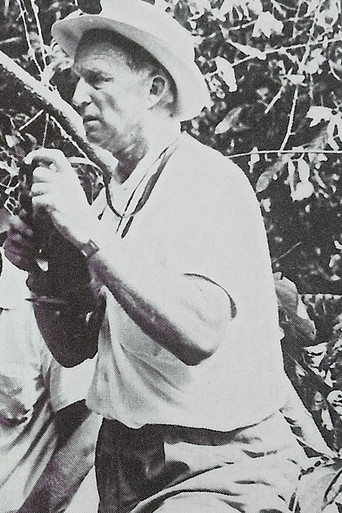
For their film “Vrijheren van het Woud” (Lords of the Forest) uit 1958, Heinz Sielmann and Henry Brandt had collected over 6 kilometers of film footage. In 1968, Henri Storck went through the unused material and turned it into a 90-minute documentary. Once again, it presents a highly realistic and naturalistic portrayal of the fauna, flora, and people of Central Africa. The Dutch version was released with commentary by Pros Verbruggen
 Herman Teirlinck · 1953
Herman Teirlinck
1953
MovieDocumentary
A portrait of the belgian writer Herman Teirlinck by Henri Storck.
 Rubens · 1948
Rubens
★ 5.81948
MovieDocumentary
This surreal abstract film falls into three sections, or movements, the first taking place on the ground, the second in the air and the third again on the ground. In the first movement various motifs or themes are introduced, which are again picked up and developed in the third movement. Six spheres, evolved in the first movement, become the sole subject matter–or “dancers”–of the second movement, which consists of a simple type of ballet using the floor-plan choreography or traditional ballet as a basis of interest.
 Three Lives and a Rope · 1934
Three Lives and a Rope
1934
MovieDramaAdventure
The idea is a simple one: three alpinists climb in the Mont Blanc Massif. This situation brings one face to face with the dangers of the mountain: avalanches, crevasses, fog, the climbing of the rocks, roping up, etc. All of this is magnified, transcended by a remarkable and strong use of the language of cinema. One of the first films about high mountains with Roger Frison-Roche and magnificent music by Maurice Jaubert
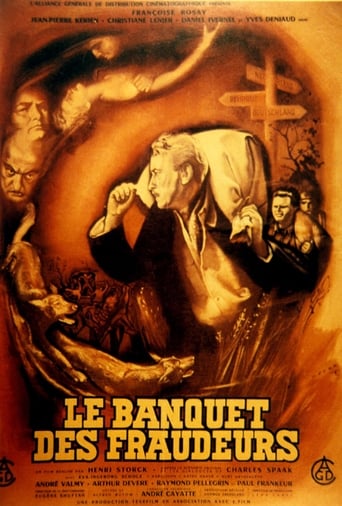 Smuggler's Ball · 1952
Smuggler's Ball
★ 5.81952
MovieComedyDrama
Smuggler's Ball is the English-language title for this French-Belgian seriocomedy. The action takes place along the borders separating Belgium, Holland and France. It is here that the worldly Pierre (J. P. Kieran) carries on a profitable smuggling operation, all the while romancing Siska (Christian Lenier), the daughter of a local customs official. Various subplots and secondary characters weave in and out as the plotline guides the viewer through the WW II years. Towards the end, the story shifts gears when the Benelux Frontier Agreement eliminates all government regulations. The film's screenplay is by Charles Spaak, himself the descendant of a Belgian political family, and thus well-versed in bureaucracy and red tape.
Filmography
Sort