A
Directing
Armands Zvirbulis
No biography available.
Known For
 The Children of Siberia · 2001
The Children of Siberia
2001
MovieDocumentary
On June 14, 1941, more than 15,000 Latvian inhabitants, including approximately 4,000 children of Latvian, Jewish, Polish and Russian ethnicity were deported to Siberia. During this period of deportation by the Soviet invaders, the men were separated from their families and sent to the Gulag. Some were sentenced to the highest punishment, death, and the rest were kept in labor camps. The women and children were sent to the remote Krasnoyarsk and Tomsk districts. The first two years were the most difficult and many perished from the harsh conditions. Today some 400 of those deported children still live in Latvia and Siberia. This documentary describes the fate of these children.
 Signe un... · 2003
Signe un...
2003
MovieDocumentary
Portrait of Signe Baumane. About creative people, obsession and fixation with their work, huge egos without which nothing gets done, but alongside them are others whose lives are willingly or unwillingly subordinated... The train of alienation is picking up speed, and it seems that it is impossible to jump off without painful injuries.
 The Fathers Over There · 2016
The Fathers Over There
2016
MovieDocumentary
Andris Caune, Ojārs Grensbergs, Imants Grāvītis and Jānis Zemtautis spent many years in the Gulag camps. They survived. In 1954, a riot broke out in Jezkazan, Kazakhstan. The men’s camp and women’s camp joined together and held on for 40 days. Then came the tanks that killed more than 1,000 of them. Austra Vērpe met her future husband there. They were lucky to stay alive. The dream of the musician Zigfrīds Muktupāvels was to find the grave of his paternal uncle in far-off Kazakhstan. He was named after his uncle, who never came home. Zigfrīds and a cousin headed off into the steppes to look for a monument reading “Zigfrīds Muktupāvels.” The next round of deportations occurred in 1949, and whole families were sent to Siberia. Fathers were tried in court, a great many ended up in punitive camps in Vorkuta and Inta. Skaidrīte Jostmane and Māris Landers travelled to Vorkuta to find their father’s gravesite.
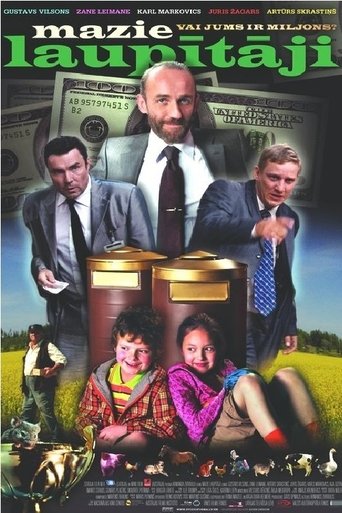 Little Robbers · 2009
Little Robbers
★ 6.22009
MovieComedyCrime
Can you honestly swear that at least once in your life you have not thought that robbing a bank is a good idea? Especially, if you're five years old and that bank has just thrown your parents out of a brand new apartment, because your father has lost his job. Five year old Robby is no Zorro, but he'd like to be. His seven year old sister Louise thinks he's too childish, but can't resist the game of robbing a bank. Together they can pull off just about anything. Getting away with it is the hard part.
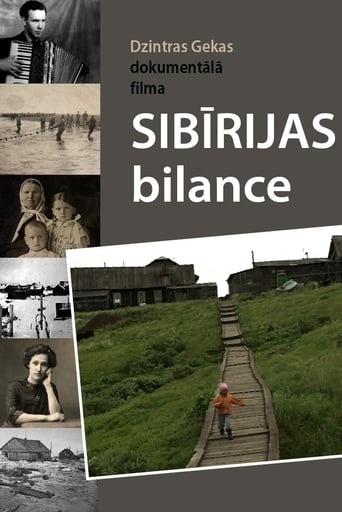 The Balance Sheet of Siberia · 2011
The Balance Sheet of Siberia
2011
MovieDocumentary
The year 2011 marked the 70th anniversary of the deportations of June 14 1941, when 15 425 residents of Latvia (Latvians, Jews, Russians, Poles) were deported to Siberia. Among them there were 3 751 children aged up to 16. During the process men were separated from their families and sent to gulags, where many were sentenced to death, while others were imprisoned in labour camps. The facts of history and dry and few, but many of the victims and their children and grandchildren are still among us. During the summer of 2010, people who were deported to Siberia in 1941 as children joined their own children and a video production crew to travel back to the far North of Russia.
 Sibīrijas dienasgrāmatas · 2003
Sibīrijas dienasgrāmatas
2003
MovieDocumentary
A documentary historical account of the fate of four thousand children deported in 1941. Only one in ten survived and can bear witness. We have filmed 180 interviews, and the work continues.
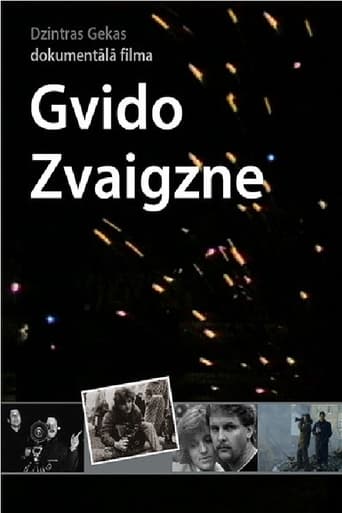 Gvido Zvaigzne · 2011
Gvido Zvaigzne
2011
MovieDocumentary
In January 2011, Latvia commemorated the 20th anniversary of the tragic events that occurred in January 1991. Film producer Andris Slapiņš was killed, and cameraman Gvido Zvaigzne was fatally injured on the night of January 20th and died in hospital two weeks later. He was a young man whose talent had not yet fully flourished. His story, however, contains elements that make it not only possible to demonstrate his personal tragedy, but also the problematic existence of a young and creative person during an era when everything was crumbling around him. Destiny kept Gvido Zvaigzne from finishing his route, but the events and values of his life represent a model of his generation’s efforts.
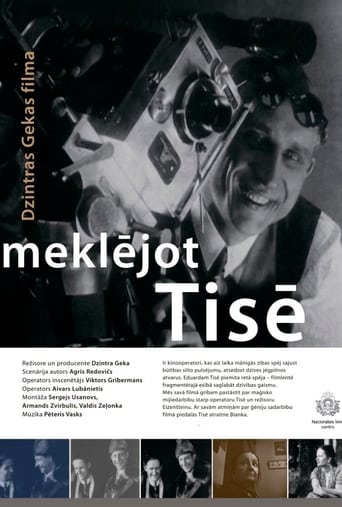 Seeking Tisse · 2017
Seeking Tisse
2017
MovieDocumentary
The story of the world-renowned Liepāja-born cinematographer Eduard Tisse, whose wife was convinced it was he who created all the famous films of Sergei Eisenstein. The creators of the film develop the story and cross the lines drawn by biography, trying to understand the magic interaction between a cinematographer and a director, between the cinematographer and the object in front of his camera.
Filmography
Sort