Acting
Utako Suzuki
Born January 30, 1880 · Kanda, Tokyo, Japan (age 146)
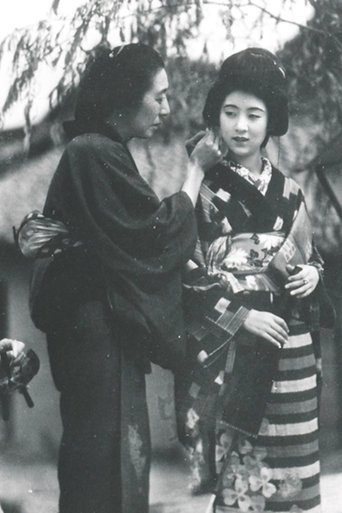
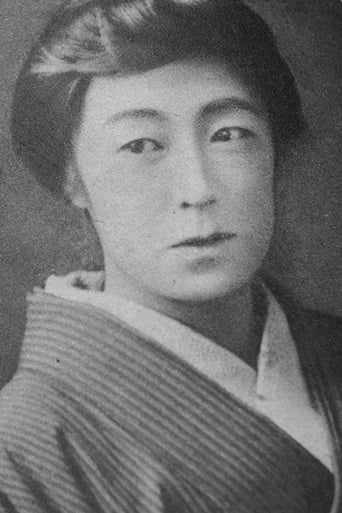
Suzuki Utako ( January 30 , 1880 – unknown year of death ) was a Japanese actress. She played the mother role in most of her films, and was a valuable supporting actress representing prewar Japanese films. She retired in 1938 , at the age of 58, after more than 30 years of acting. Her husband was fellow actor Mizushima Ryotarō.
Known For
 Walk Cheerfully · 1930
Walk Cheerfully
★ 6.11930
MovieRomanceCrime
Raucous small-time thief Kenji falls in love with sweet and simple Yazue, but when she finds out what kind of guy he really is, she leaves him until he proves to be honest. Kenji soon finds it's not so easy to get rid of one's past.
 I Graduated, But... · 1929
I Graduated, But...
★ 5.81929
MovieComedy
Tetsuo Nomoto, a young college graduate tries to find a decent job by himself. Later on, he will marry his girlfriend, Machiko, whom he hides the fact that he has no job. Hardships come quickly, which forces Machiko to find a job in a bar.
 ABC Lifeline · 1931
ABC Lifeline
★ 6.71931
Movie
Japanese silent film directed by Yasujirô Shimazu, originally released as a two-part movie on December 11, 1931.
 Seven Seas: Chastity Chapter · 1932
Seven Seas: Chastity Chapter
★ 8.01932
MovieDrama
Part two of Shimizu's major silent Seven Seas, a family drama of the intertwining fates of the rich, decadent Yagibashis and the far less prosperous Sone family.
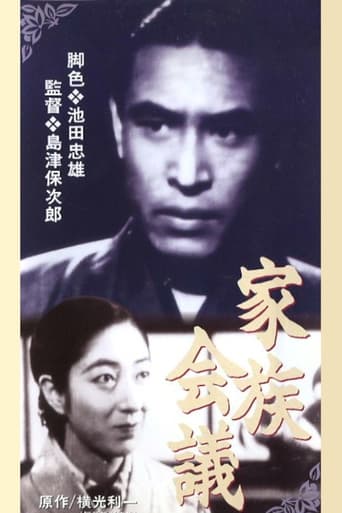 Family Meeting · 1936
Family Meeting
1936
MovieDrama
A melodrama about a businessman's relations with the three women in his life.
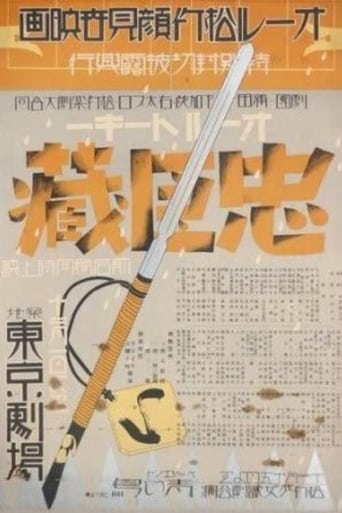 The Loyal 47 Ronin · 1932
The Loyal 47 Ronin
1932
MovieDrama
This 1932 adaptation is the earliest sound version of the ever-popular and much-filmed Chushingura story of the loyal 47 retainers who avenged their feudal lord after he was obliged to commit hara-kiri due to the machinations of a villainous courtier. As the first sound version of the classic narrative, the film was something of an event, and employed a stellar cast, who give a roster of memorable performances. Director Teinosuke Kinugasa was primarily a specialist in jidai-geki (period films), such as the internationally celebrated Gate of Hell (Jigokumon, 1953), and although he is now most famous as the maker of the avant-garde silent films A Page of Madness (Kurutta ichipeji, 1926) and Crossroads (Jujiro, 1928), Chushingura is in fact more typical of his output than those experimental works. The film ranked third in that year’s Kinema Junpo critics’ poll, and Joseph Anderson and Donald Richie noted that 'not only the sound but the quick cutting was admired by many critics.
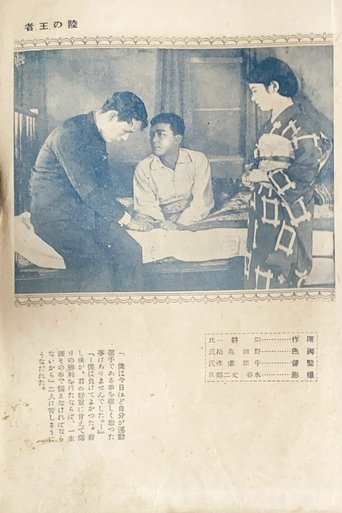 King of the Land · 1928
King of the Land
1928
MovieDrama
Japanese silent film from 1928, ranked as Kinema Junpo's second-best Japanese movie of the year.
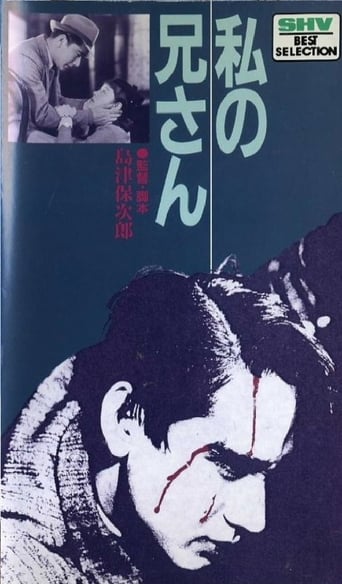 My Elder Brother · 1934
My Elder Brother
★ 6.01934
MovieDrama
Jyuta, an honest owner of a taxi company, has a younger half-brother who is involved in the yakuza world and doesn’t get along well with his mother. Jyuta tries to correct him…
Filmography
Sort
King of the Land · 1928King of the Land
1928
MovieDrama
Japanese silent film from 1928, ranked as Kinema Junpo's second-best Japanese movie of the year.
Landlady of the waiting room at Kagetsu