Directing
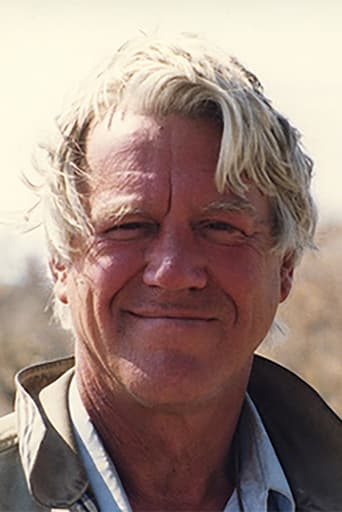
John Marshall
Born November 12, 1932 · Massachusetts, USA
Died April 22, 2005 · aged 72
John Kennedy Marshall (November 12, 1932 – April 22, 2005) was an American anthropologist and acclaimed documentary filmmaker best known for his work in Namibia recording the lives of the Ju/'hoansi (also called the !Kung Bushmen). Marshall first traveled to the Kalahari Desert and met the Ju/'hoansi of the Nyae Nyae area in 1949 on a trip initiated by his father. Throughout the 1950s and 1960's …
Known For
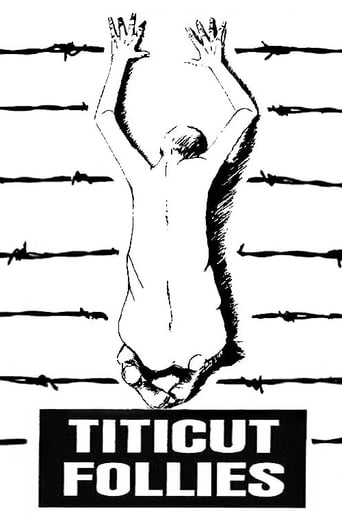 Titicut Follies · 1967
Titicut Follies
★ 7.31967
MovieDocumentary
Employing methods of direct cinema–observation, limited stylization, and non-intervention–this stark look into the State Prison for the Criminally Insane in Bridgewater, Massachusetts shows its denizens, who were often kept in barren cells and infrequently bathed, forced to strip naked publicly, force feeding, and the indifference and bullying by many of the hospital's staff.
 Bitter Melons · 1971
Bitter Melons
★ 8.01971
MovieDocumentary
This film, shot in 1955, focuses on a small band of /Gwi San living in the arid landscape of the central Kalahari Desert in present-day Botswana.
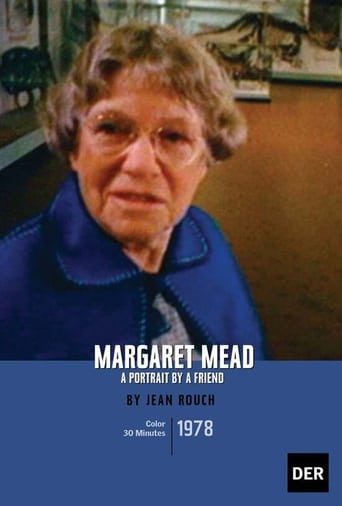 Margaret Mead: A Portrait By a Friend · 1978
Margaret Mead: A Portrait By a Friend
★ 9.01978
Movie
Jean Rouch filmed this loving and humorous portrait of anthropologist and filmmaker Margaret Mead in September 1977 while he was a guest of the first Margaret Mead Film Festival. As both a friend and colleague, Rouch reveals a glimpse of the legendary Mead in her later years.
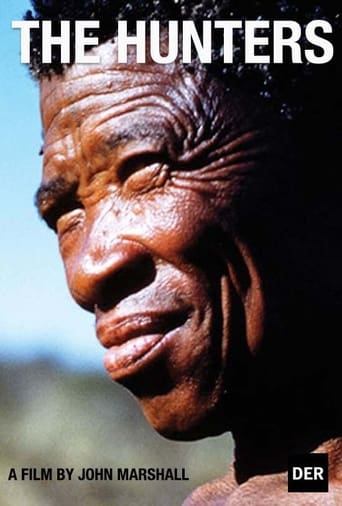 The Hunters · 1957
The Hunters
★ 6.51957
MovieDocumentary
An ethnographic documentary following four Ju/’hoansi (!Kung) men during a multi-day giraffe hunt in the Kalahari Desert, filmed during the Smithsonian–Harvard Peabody expedition of 1952–53.
 The Informant · 1973
The Informant
1973
Movie
This film focuses on a black burglary suspect who, during interrogation by police offers his services as an "undercover" informant - providing the police will suppress his charge.
 Wrong Kid · 1973
Wrong Kid
1973
Movie
The police, looking for a suspect, question the wrong youth.
 To Hold Our Ground: A Field Report · 1991
To Hold Our Ground: A Field Report
1991
MovieDocumentary
For thousands of years Ju/'hoansi have lived in the Nyae Nyae region in northeastern Namibia. In the 1950s, most Ju/'hoansi had been exterminated or were dispossessed by white colonists and black farmers, but in Nyae Nyae Ju/'hoansi were still the only permanent inhabitants. Waterless approaches isolated their ancient communal land and protected them from enslavement.
 Yanomamo: A Multidisciplinary Study · 1968
Yanomamo: A Multidisciplinary Study
1968
MovieDocumentary
This film illustrates the field techniques used by a multidisciplinary team of researchers from the University of Michigan in collaboration with their Venezuelan colleagues. The film also includes a brief sketch of Yanomamo culture and society.