Acting
Leila Diniz
Born March 25, 1945 · Niterói, Rio de Janeiro, Brazil
Died June 14, 1972 · aged 27
Leila Roque Diniz (25 March 1945 – 14 June 1972) was a Brazilian television, movie and theatre actress, whose liberal ideas and attitudes about sex had raised the discontent of both the feminists and the Brazilian military government of the 1960s. Born in a middle-class family and the daughter of a communist activist, Leila worked as a kindergarten teacher at age 15. At age 17, she met movie dire…
Known For
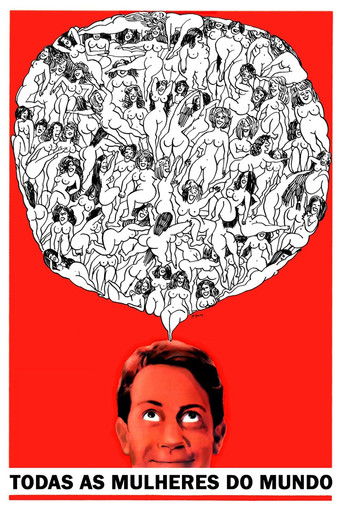 All the Women in the World · 1966
All the Women in the World
★ 6.91966
MovieRomanceComedy
When womanizer Paulo meets a friend’s fiancée, she changes the way he looks at the opposite sex. He falls in love, and believes she is in fact all women in one. Because of that, he has to face an important decision: to go on with his old life, or embrace this special relationship and become a monogamous man.
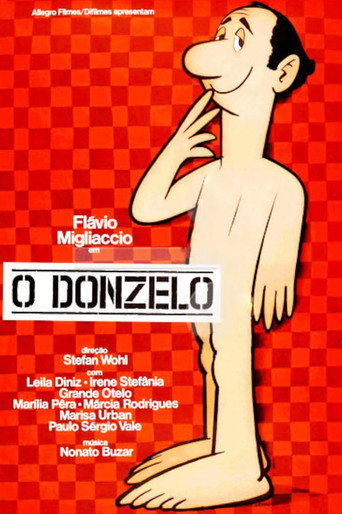
 The Naked Man · 1968
The Naked Man
★ 5.91968
MovieComedy
A man gets locked naked outside of his apartment.
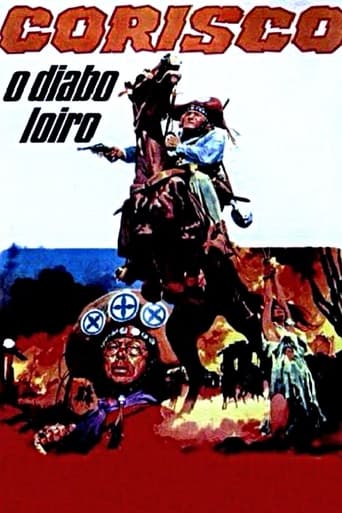 Corisco, o Diabo Loiro · 1969
Corisco, o Diabo Loiro
★ 8.01969
MovieWesternAdventure
After killing a troublemaker, Cristino flees to a town in the Northeast and is forced to join Lampião's gang, where he becomes his right-hand man, under the name Corisco, the Blond Devil. He falls in love with Dadá, a farmer's daughter, and takes her with him by force. Gradually, she learns to love him, and they live together for 13 years in the cangaço. Corisco escapes the Angico massacre but is captured by Lieutenant Zé Rufino's volante after beheading the family of Lampião's informant. Dadá and Corisco, on the way to hand them over to the authorities, reminisce about the adventurous adventures of their lives.
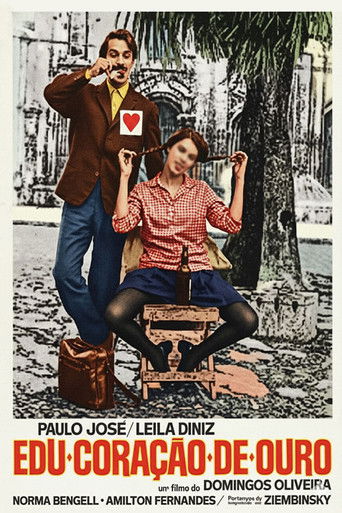 Edu, Coração de Ouro · 1968
Edu, Coração de Ouro
★ 7.01968
MovieComedy
A volatile young man, Edu is a typical Rio de Janeiro middle-class kind, who flirts with multiple women at the same time. None of them, however, had managed to make him fall in love, until he met with mysterious Tatiana.
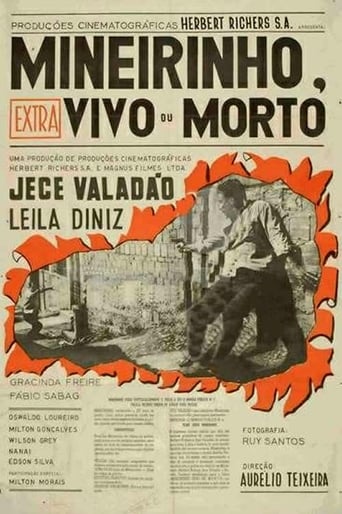 Mineirinho, Vivo ou Morto · 1967
Mineirinho, Vivo ou Morto
★ 7.01967
MovieCrime
Based on real-life Brazilian bandit "Mineirinho", the film follows the story of Zezé, a man falsely accused by sensasionalist press of being a high-caliber criminal who suddenly becomes one of the most wanted men of Rio de Janeiro.
 Divertimento · 1967
Divertimento
1967
MovieDramaComedy
Mario is a playboy who is married to Lucía, a millionaire who has fallen on hard times, and he also maintains an adulterous relationship with one of her friends, the temperamental and libertine millionaire Lena Anderson.
 Os Paqueras · 1969
Os Paqueras
★ 6.31969
MovieComedy
Two ladykillers living in Rio de Janeiro know no limits when courting a beautiful woman. A problem arises when one of them starts coming on to a girl, not knowing she's his buddy's daughter.
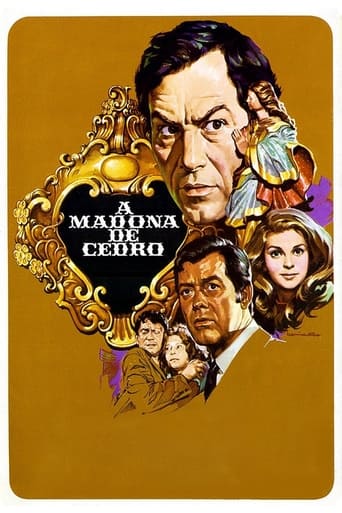 A Madona de Cedro · 1968
A Madona de Cedro
★ 7.51968
MovieDrama
Delfino, a quiet man who lives in Congonhas do Campo, a small historical town in the state of Minas Gerais, Brazil, is urged by his friend to steal the image of the Madona de Cedro (the Cedar Madonna), sculpted by Aleijadinho in the 18th century, from the town sanctuary.
Filmography
Sort

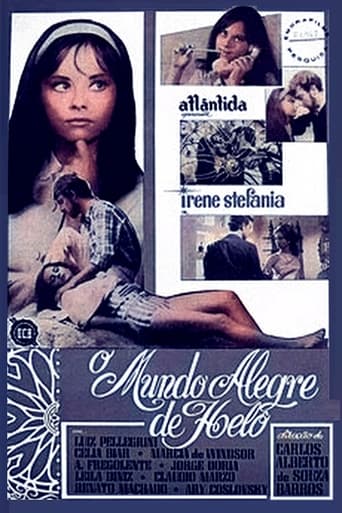
 Dangerous Game · 1967
Dangerous Game
★ 5.81967
MovieCrimeComedy
Two dark-comedy stories involving blackmail, murder and love triangles in Rio de Janeiro
Servant (segment "Divertimento")



 Dez Vidas · 1969
Dez Vidas
★ 7.01969
SeriesSoapDrama
Pompom (2ª versão)


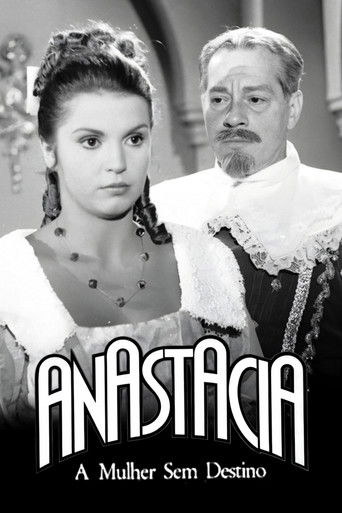 Anastácia, a Mulher sem Destino · 1967
Anastácia, a Mulher sem Destino
★ 7.01967
SeriesDrama
Anastácia / Henriette / Rose