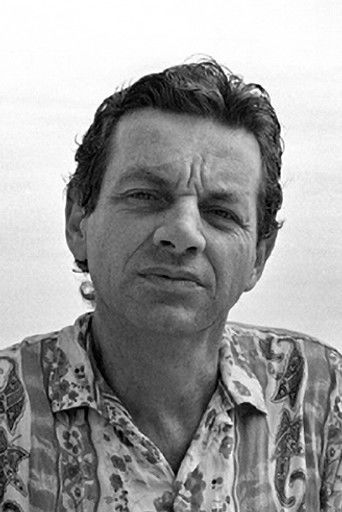
Directing
Rogério Sganzerla
Born November 26, 1946 · Joaçaba, Santa Catarina, Brazil
Died January 9, 2004 · aged 57
Rogério Sganzerla (1946 — 2004) was a Brazilian filmmaker and one of the main names of the Cinema de Invenção (or Cinema Marginal) underground movement. Influenced by Orson Welles, Jean-Luc Godard, and José Mojica Marins, Sganzerla often used clichés from film noir and pornochanchadas. Irony, narrative subversion and collage were trademarks of his film aesthetics. Sganzerla was born in Joaçaba, …
Known For
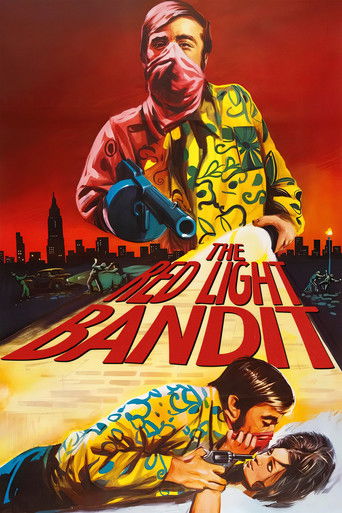 The Red Light Bandit · 1968
The Red Light Bandit
★ 7.61968
MovieThrillerCrime
Born and raised in the misery of Brazilian slums, Jorge becomes a luxury house burglar in São Paulo and gets nicknamed "The Red Light Bandit" by the sensationalist press. In addition to wearing a red flashlight, he talks to his hostages in an irreverent tone and makes bold breakthroughs to later spend the money extravagantly. His world is the decadent neighbourhood of Boca do Lixo.
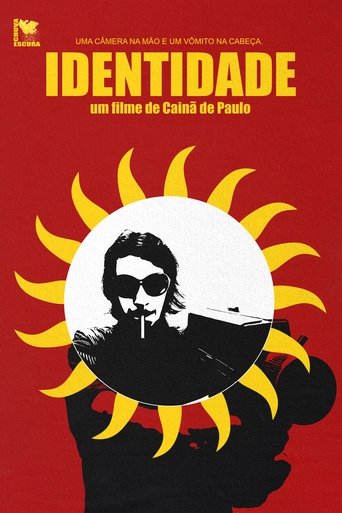 Identidade · 2026
Identidade
2026
MovieDramaComedy
During a screening of Oedipus Rex in a run-down movie theater in downtown Rio, three peculiar characters—a frustrated projectionist, his intern, and a wandering poet—decide to interrupt the film to discuss the death of cinema. The audience revolts. So does the film.
 Documentário · 1966
Documentário
★ 8.01966
MovieComedy
Two young men decide to go to the cinema. However, since their tastes are very strict, they end up in a quarrel.
 Welles' Language · 1990
Welles' Language
★ 7.31990
MovieDocumentary
Orson Welles acted in Brazilian culture and music by deeply researching Brazil's historical geology, consciously completing a legendary cultural mission. Although being turned down by Hollywood producers, he developed a triumphantly accomplished mission in the language domain - three friends of Welles' testified his love for cinema, his passion for Brazilian music and people and his obstinate endurance against formidable pressures coming from inside and outside Hollywood regarding his unfinished "It's All True".
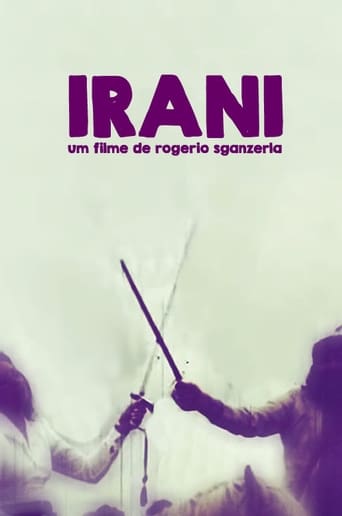 Irani · 1983
Irani
★ 7.01983
MovieDocumentary
Register a popular celebration related to a battle fought in the city of Irani, starting point of Contestado War at Santa Catarina State, Brazil in 1912.
 It's All True · 1993
It's All True
★ 7.71993
MovieDocumentary
A documentary about Orson Welles's unfinished three-part film about South America.
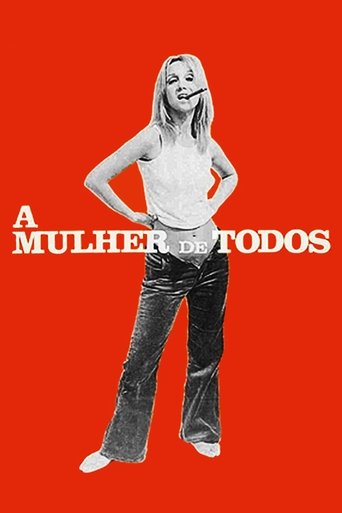 The Woman of Everyone · 1969
The Woman of Everyone
★ 7.81969
MovieFantasyComedy
Ângela Carne e Osso (Angela Meat and Bone), a young nymphomaniac, lives surrounded by delinquents, and exerts intense allure on them, dominating them all with her erotic power.
 The Werewolf: A Midnight Terror · 1975
The Werewolf: A Midnight Terror
★ 5.81975
MovieHorror
A millionaire lives in a sinister cottage where strange events unfold. A damned creature, he transforms himself in a werewolf and leads a following whose adepts spread horror and despair in the neighboring city, becoming themselves a clan of assassins. One day, the werewolf confronts Branca Justiça (White Justice), who summons benign forces to scathe them and frees him of his own wickedness.
Filmography
Sort
Identidade · 2026Identidade
2026
MovieDramaComedy
During a screening of Oedipus Rex in a run-down movie theater in downtown Rio, three peculiar characters—a frustrated projectionist, his intern, and a wandering poet—decide to interrupt the film to discuss the death of cinema. The audience revolts. So does the film.
Rogério Sganzerla (Imagens de Arquivo)