Directing
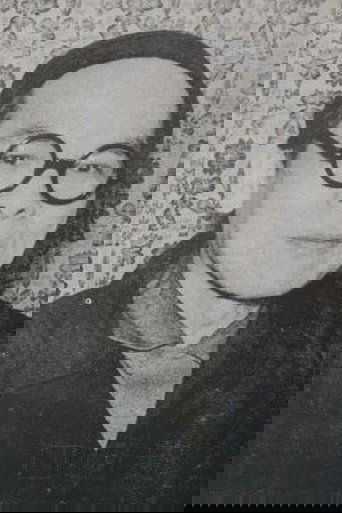
Noburô Ôfuji
Born June 1, 1900 · Asakusa, Tokyo, Japan
Died July 28, 1961 · aged 61
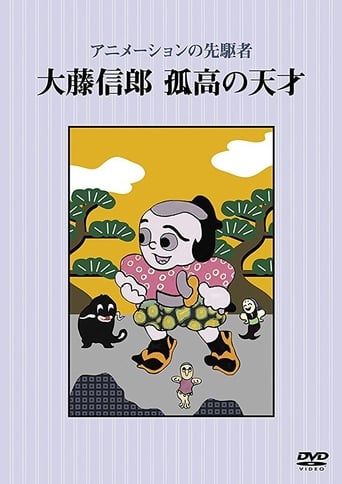
Born 1900, in Tokyo. Ofuji learned the basics of animation under Junichi Kouchi, and later developed his own unique animation style using cutouts from chiyogami (Japanese traditional decorative paper with colored patterns). While strictly maintaining his independent production style, he attempted a variety of techniques such as paper cutouts, cel, silhouette, and colored cellophane.
Known For
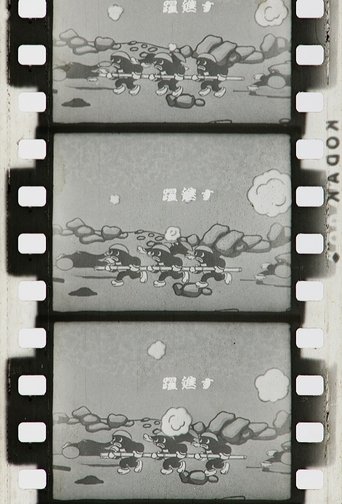
 At the Border Checkpoint · 1930
At the Border Checkpoint
★ 6.01930
MovieAnimation
A film about traveling artists arriving from Mishima and Odawara.
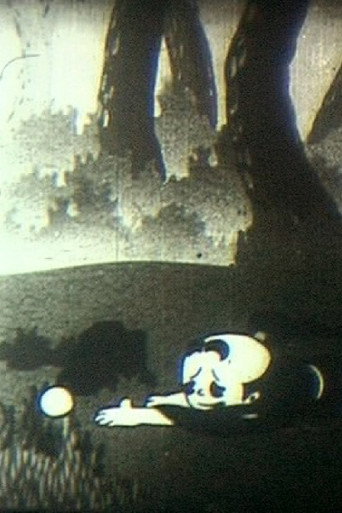
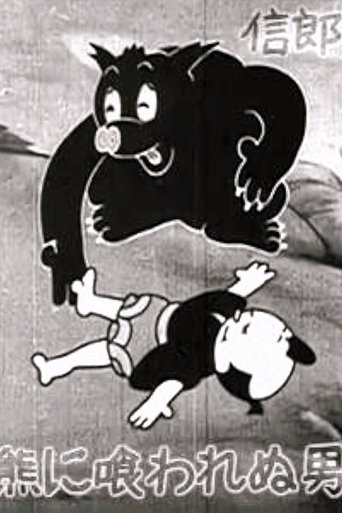 The Bear Dodger · 1948
The Bear Dodger
★ 6.31948
MovieAnimationComedy
Created by Noburo Ofuji, who had been cartoon making since the 1920s, often with decorative paper cutouts. The character animation looks like it was done 15 years before, but a lot of the elements are highly original; design (those trees!), use of camera focus. Heavily musical in a manner that recalls animation's earliest use of sound. The lesson here is: "If you can't count on your friends, travel alone".
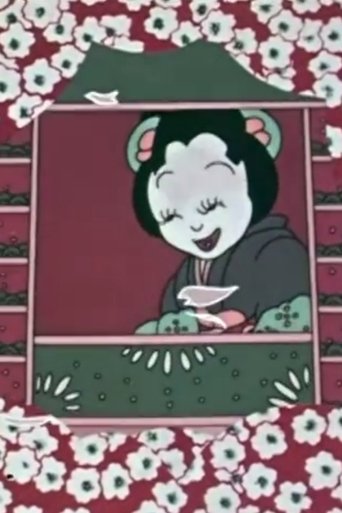 Princess Katsura · 1937
Princess Katsura
★ 6.31937
MovieAnimation
Short film about a princess being kidnapped.
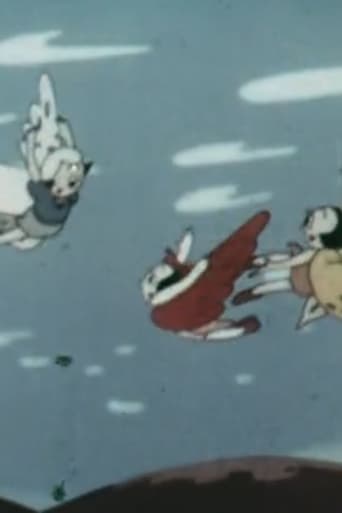 The Flower and the Butterfly · 1954
The Flower and the Butterfly
★ 4.31954
MovieAnimation
An early color animation which uses the color to help tell the story. Three butterflies save a bird that falls out of it's nest during a rainstorm. The butterflies decide to ask the flowers for cover, but the red rose will only help the red butterfly since they are the same color.
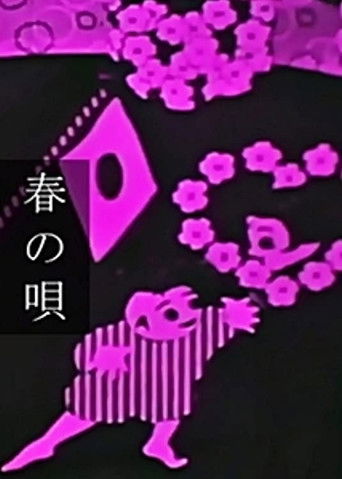 Spring Song · 1931
Spring Song
★ 5.41931
MovieAnimationMusic
Early Japanese anime. A stop-motion papercraft animation set to a song sung by Kikoku Inoue
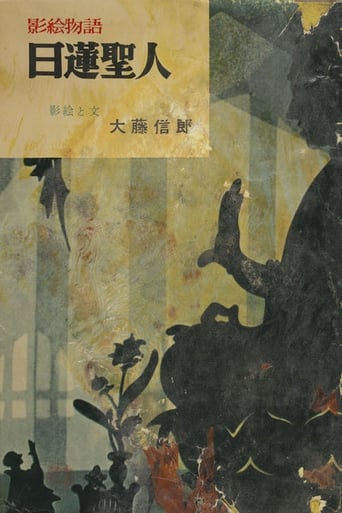 The Life of Buddha · 1961
The Life of Buddha
1961
MovieDramaAnimation
A re-edited, feature length compilation of the two parts of Ôfuji's The Great Sage Shakyamuni Buddha - the culmination of Noburô Ôfuji's monochrome silhouette films. After a portentous dream about a white elephant, the ancient Hindu princess Maya gives birth to a prince. Reared in seclusion from the troubles of the world, Prince Siddhartha is troubled by sights of poverty and deprivation when he is 12 years old. He is married to a beautiful wife, but he is unable to bear the thought of others suffering, and leaves the palace in search of an answer. While sitting beneath a tree, he achieves enlightenment. Planned as a nine-reel life of Buddha, but exhibited in Cannes as ‘Part One’ with only 6 reels completed, this late work by Noburô Ôfuji was not completed until after his death. It was only in 1961 that it was finally exhibited as a full 72-minute film (comprising 10 reels).
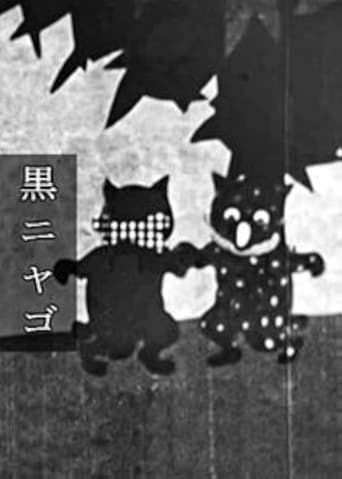 The Black Cat · 1929
The Black Cat
★ 5.41929
MovieMusicAnimation
A black cat sings and dances, animated using cut-outs.
 The Village Festival · 1930
The Village Festival
★ 4.61930
MovieMusicAnimation
A Japanese equivalent of a Hollywood Screen Song.