Acting
John Cage
Born September 5, 1912 · Los Angeles, California, USA
Died August 12, 1992 · aged 79
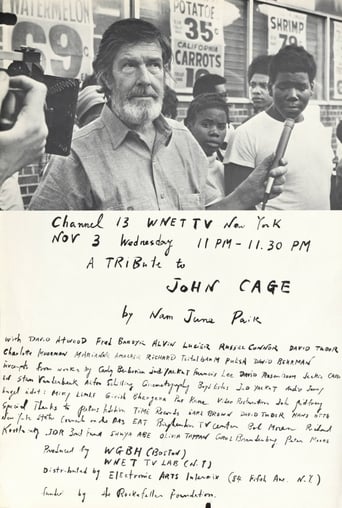
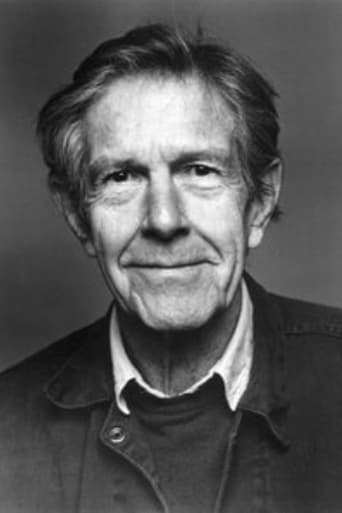
John Milton Cage Jr. was an American composer, music theorist, artist, and philosopher. A pioneer of indeterminacy in music, electroacoustic music, and non-standard use of musical instruments, Cage was one of the leading figures of the post-war avant-garde.
Known For
 Inner Man · 1972
Inner Man
1972
Movie
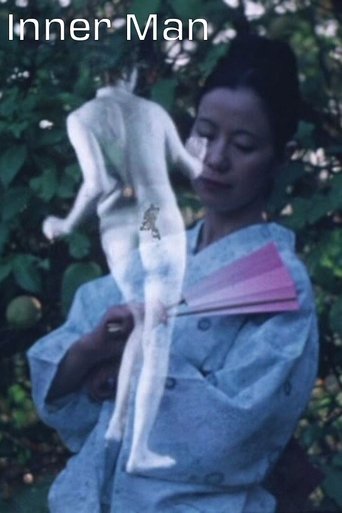
This film shows the images of a dancing woman who is wearing Kimono overlapping another image which a naked man is dancing. This is one of the original psychological concepts of C.G. Jung. For women, Animus is an image of a man by projection of her mental energy.
 The Power of Speech · 1988
The Power of Speech
★ 6.01988
MovieDramaRomance
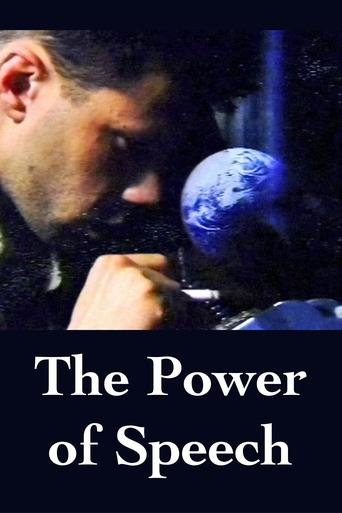
Godard blends elements of literature, cinema and other artistic medias from different historical periods in order to make a stance on how words can be subverted and manipulated to many different contexts, sometimes bearing a similar significance to the original material or even creating an alternate context.
 At Land · 1944
At Land
★ 7.21944
MovieFantasy
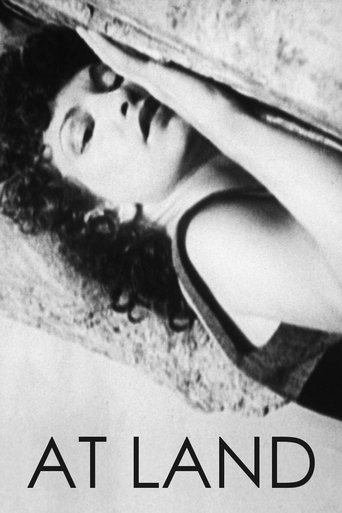
A woman washes up on a beach and embarks on a surreal journey, encountering others and fragmented versions of herself in a quest for identity.
 Ocean · 2010
Ocean
★ 5.52010
MovieMusic
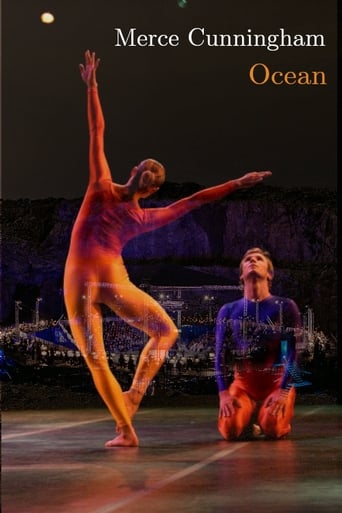
John Cage’s original concept of Ocean, in 1991, was for a dance to be performed in a circular space, with the audience surrounding the dancers, and the musicians (112 of them) surrounding the audience. The last performance was in the Rainbow Quarry in Minnesota, September 2008, at which time the piece was filmed by Charles Atlas.
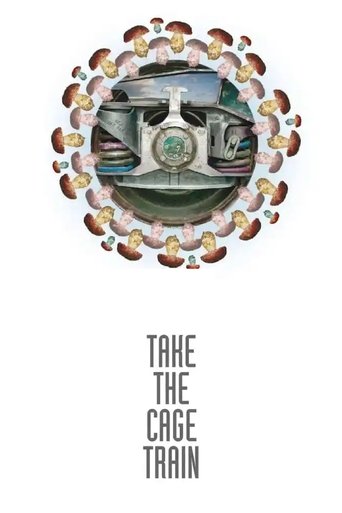 Take the Cage Train – Boletus Edulis · 2023
Take the Cage Train – Boletus Edulis
2023
MovieDocumentary
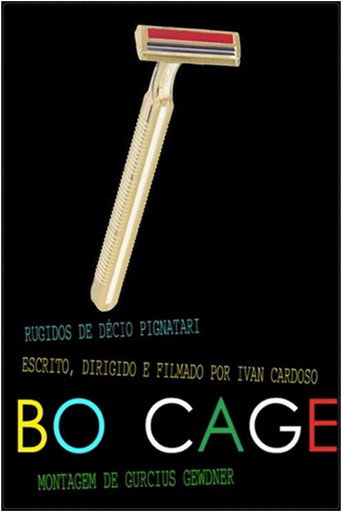 Bo Cage · 2012
Bo Cage
2012
MovieAnimationMusic
 Ouverture - Accademia Nazionale di Santa Cecilia · 2021
Ouverture - Accademia Nazionale di Santa Cecilia
2021
MovieMusic
In 2021, the Accademia Nazionale di Santa Cecilia marked a new beginning following the closures caused by the health emergency, with a packed programme of concerts and events, often described as a moment of ‘opening’ and hope, and sometimes referred to as the ‘Overture’.
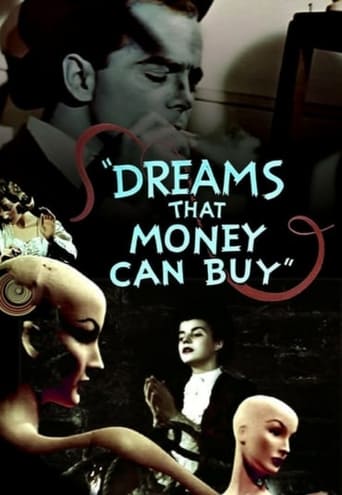 Dreams That Money Can Buy · 1947
Dreams That Money Can Buy
★ 6.01947
MovieDramaFantasy
An attempt to bring the work of surrealist artists to a wider public. The plot is that of an average Joe who can conjure up dreams that will improve his customer's lives. This frame story serves as a link between several avant-garde sequences created by leading visual artists of their day, most of whom were emigres to the US during WWII.
Filmography
Sort