Directing
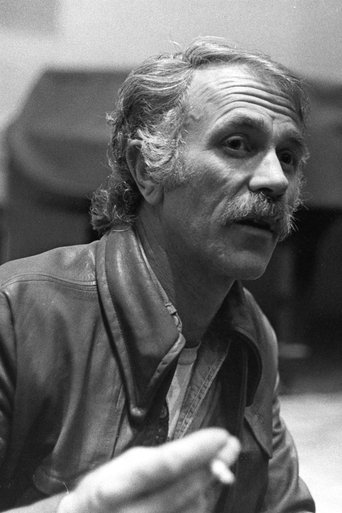
Robert Nelson
Born March 1, 1930 · San Francisco, California, USA
Died January 9, 2012 · aged 81
Born in 1930 to a family of Swedish immigrants, Robert Nelson studied painting until changing his focus to concentrate on filmmaking in the early 1960s. Strong influences included the Bay Area bohemian Beat scene and the improvisatory theatre of the San Francisco Mime Troupe, with which he would ultimately collaborate on several films. His marriage to experimental filmmaker Gunvor Nelson also help…
Known For
 Deep Westurn · 1974
Deep Westurn
1974
Movie
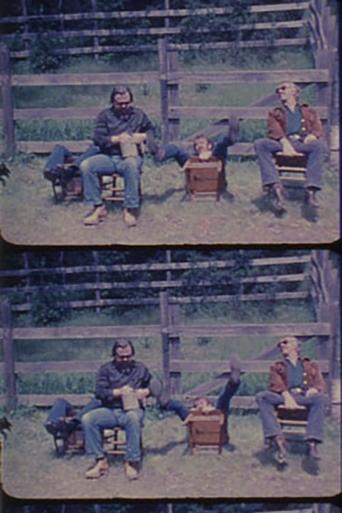
A ‘film wake’. Though celebratory in mood, it has a mournful subtext… death and dying. We dedicated it to Dr. Sam West, departed friend and patron of the arts, trusting that his ghost would approve our hi-jinx and seeming irreverence. Preserved by the Academy Film Archive in 2002.
 Bleu Shut · 1970
Bleu Shut
★ 5.81970
Movie
"Even when we know the game is an illusion, the experience of Bleu Shut is entirely a pleasure: the ‘game’ is fun, the Nelson/Wiley debates, infectiously funny; and Nelson’s choice of imagery, quirky and amusing. Bleu Shut reveals, and allows us to enjoy, our gullibility within the pervasive absurdity of modern life." –Scott MacDonald
 Hamlet Act · 1982
Hamlet Act
★ 7.01982
Movie
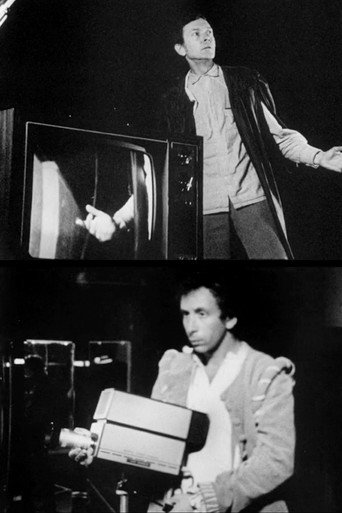
Experimental filmmaker Robert Nelson brings his characteristic wit to this restaging of the famous “play rehearsal” scene from Hamlet, breaking down the barriers between film, theatre, performance, and creation. “Hamlet Act demonstrates what can be done when a film text is made to oppose a theatrical text, creating a new synthesis. . . Hamlet, caught in the web of psychological forces, is seen through his position between film/video/theatre, as a metaphor for contemporary technology.
 Grateful Dead · 1967
Grateful Dead
★ 9.01967
Movie
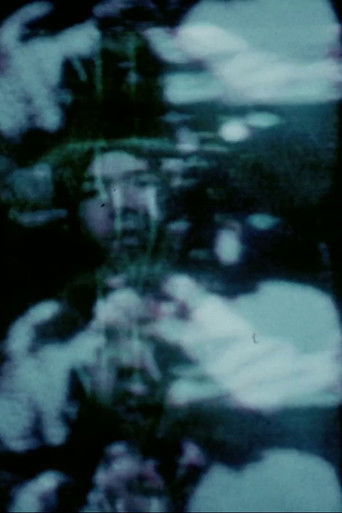
A chaotic film featuring the Grateful Dead. The songs that are included are Sitting on Top of the World, Good Morning Little Schoolgirl, Cold Rain and Snow, and something that might be Viola Lee Blues. Preserved by the Academy Film Archive in 2007.
 Riverbody · 1970
Riverbody
★ 10.01970
MovieDrama
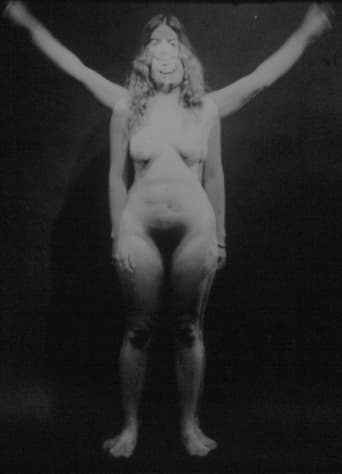
A continuous dissolve of 87 male and female nudes. "The film's fascination lies with the suspense of that magic moment, halfway between two persons, when the dissolve technique produces composite figures, oftentimes hermaphroditic, that inspires awe for the mystery of the human form." - B. Ruby Rich, Chicago Art Institute
 The Off-Handed Jape... & How to Pull It Off · 1967
The Off-Handed Jape... & How to Pull It Off
★ 4.01967
Movie
The Off-Handed Jape is an afternoon’s lark made by Nelson and his artist friend William Wiley. The two men perform whimsical actions and poses for the camera, then recontextualize this imagery by improvising their own commentary on the action at a later time. —Andy Ditzler. Preserved by the Academy Film Archive in 2002.
 Travelogue: Portraits – Images from a journey · 1969
Travelogue: Portraits – Images from a journey
1969
Movie
A black-and-white travel journal, in which the themes of memories and their relationship to the past suddenly catch up and rush away from us. The film is based on a series of portraits of American artists, all of whom belong to a young and politicized generation, presented in static tableaus from their studios, films and home environments.
 Suite California Stops & Passes Part 1: Tijuana to Hollywood via Death Valley · 1976
Suite California Stops & Passes Part 1: Tijuana to Hollywood via Death Valley
1976
Movie
The first part of what was intended to be a three-part experimental travelog for Nelson’s home state of California, this film covers the Mexican border, Death Valley, and Hollywood/Los Angeles.
Filmography
Sort