Robert W. Paul

Directing

Robert W. Paul

Born October 4, 1869 · Highbury, London, England, UK

Died March 28, 1943 · aged 73

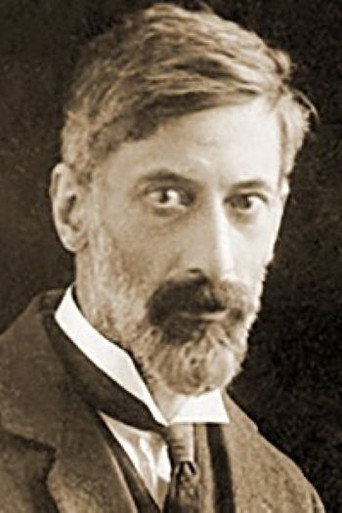
Robert William Paul (3 October 1869 – 28 March 1943) was an English film pioneer and scientific instrument maker. He began producing narrative films as early as April 1895, initially shown on Edison Kinetoscope-style devices, and by 1896 he was projecting them—around the same time the Lumière brothers were developing projected cinema in France. In addition to his filmmaking, Paul achieved success …

Known For
The Derby 1900The Derby 1900 · 1900
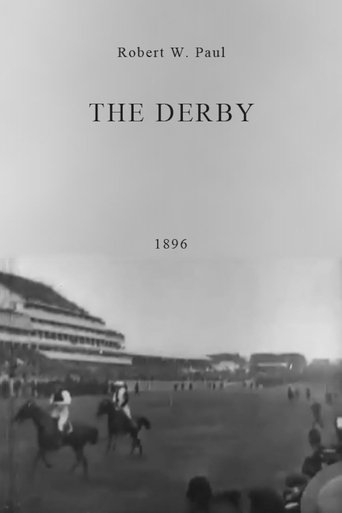
The Derby 1900
5.01900
Movie
Directed by Robert W. Paul.
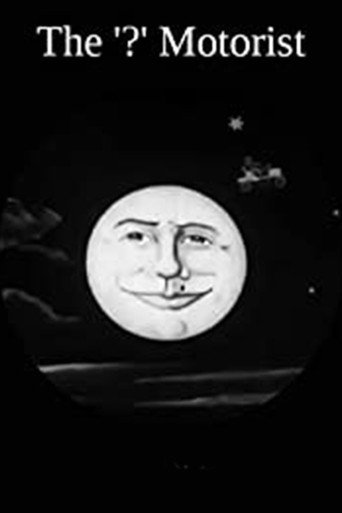
The '?' MotoristThe '?' Motorist · 1906
The '?' Motorist
6.41906
MovieScience FictionFantasy
A magical glowing white motorcar ignores policemen, drives up buildings, flies through outer space, and can transform into a horse and carriage.
Delhi DurbarDelhi Durbar · 1902
Delhi Durbar
1902
MovieDocumentary
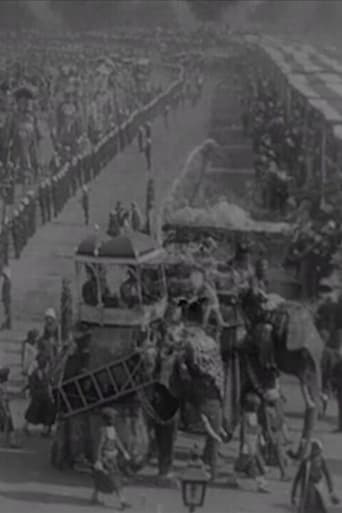
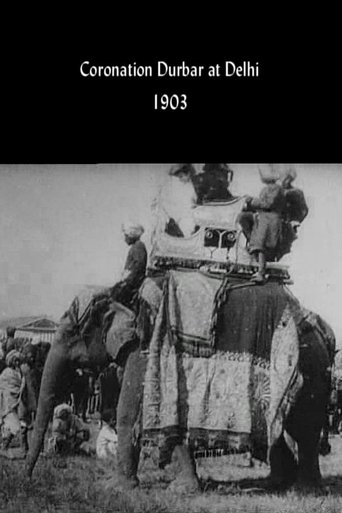
Aristocracy, army, elephants and more mark the start of the 1903 Durbar.
Come Along, Do!Come Along, Do! · 1898
Come Along, Do!
4.41898
MovieComedy
Come Along, Do! is an 1898 British short silent comedy film, produced and directed by Robert W. Paul. The film was of 1 minute duration, but only forty-some seconds have survived. The whole of the second shot is only available as film stills. The film features an elderly man at an art gallery who takes a great interest in a nude statue to the irritation of his wife. The film has cinematographic significance as the first example of film continuity. It was, according to Michael Brooke of BFI Screenonline, "one of the first films to feature more than one shot." In the first shot, an elderly couple is outside an art exhibition having lunch and then follow other people inside through the door. The second shot shows what they do inside.
Scrooge; or Marley's GhostScrooge; or Marley's Ghost · 1901
Scrooge; or Marley's Ghost
5.61901
MovieDramaFantasy
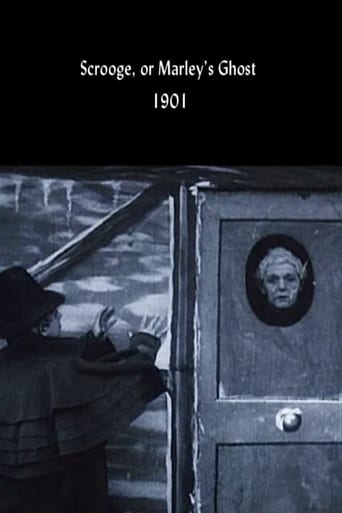
Filmed in 35mm and in black and white, this short silent film was produced by the English film pioneer R. W. Paul, and directed by Walter R. Booth and was filmed at Paul's Animatograph Works. It was released in November 1901. As was common in cinema's early days, the filmmakers chose to adapt an already well-known story, in this case A Christmas Carol by Charles Dickens, in the belief that the audience's familiarity with the story would result in the need for fewer intertitles. It was presented in 'Twelve Tableaux' or scenes.
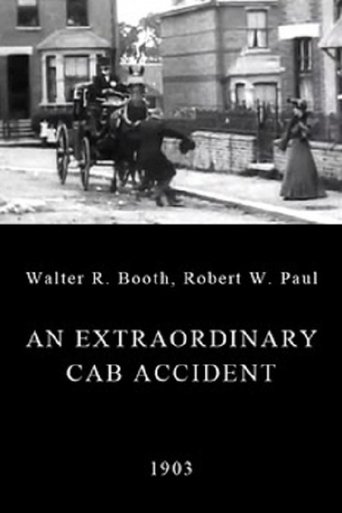
An Extraordinary Cab AccidentAn Extraordinary Cab Accident · 1903
An Extraordinary Cab Accident
5.81903
MovieComedy
A man and a woman talk beside a street near a corner where a cop stands. Just as a horse-drawn cart rounds the corner, the man backs off the sidewalk saying good-by to his companion. The horse and cart flatten him and continue on, out of the camera's stationary range. The cop runs after the cab, the woman dashes to the body. The cop brings back the driver; is the victim dead?
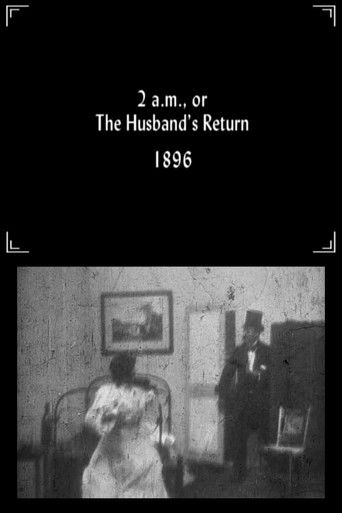
Two AM; or, The Husband's ReturnTwo AM; or, The Husband's Return · 1896
Two AM; or, The Husband's Return
5.61896
MovieDrama
Husband comes home late and wakes the wife. Based on a popular stage play.
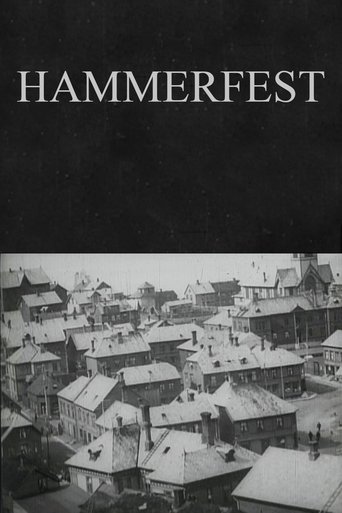
HammerfestHammerfest · 1903
Hammerfest
4.61903
MovieDocumentary
A panorama shot of the Norwegian town and harbour of Hammerfest. Believed to be the earliest surviving film of Norway.

Filmography

Sort
Come Along, Do!Come Along, Do! · 1898
Come Along, Do!
4.41898
MovieComedy
Come Along, Do! is an 1898 British short silent comedy film, produced and directed by Robert W. Paul. The film was of 1 minute duration, but only forty-some seconds have survived. The whole of the second shot is only available as film stills. The film features an elderly man at an art gallery who takes a great interest in a nude statue to the irritation of his wife. The film has cinematographic significance as the first example of film continuity. It was, according to Michael Brooke of BFI Screenonline, "one of the first films to feature more than one shot." In the first shot, an elderly couple is outside an art exhibition having lunch and then follow other people inside through the door. The second shot shows what they do inside.

Director