Directing
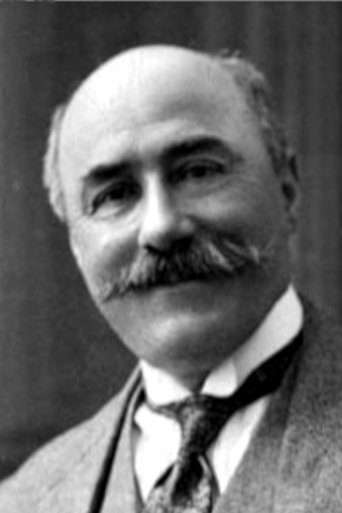
Ferdinand Zecca
Born February 19, 1864 · Paris, France
Died March 23, 1943 · aged 79
Ferdinand Zecca (19 February 1864 – 23 March 1947) was a pioneer French film director, film producer, actor and screenwriter. He worked primarily for the Pathé company, first in artistic endeavors then in administration of the internationally based company.
Known For
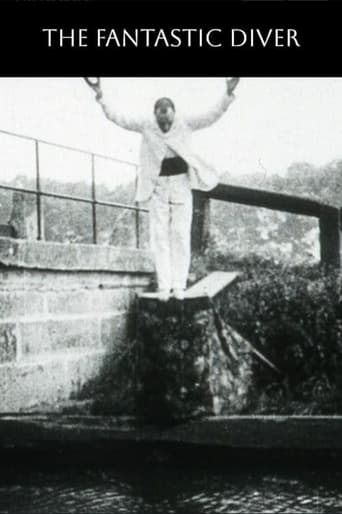 The Fantastic Diver · 1905
The Fantastic Diver
★ 7.51905
MovieComedy
Ferdinand Zecca's remake of his own film "Plongeur fantastique" (The Fantastic Plunger, 1901) with the same premise, showing a diver with reverse motion editing for a curious effect
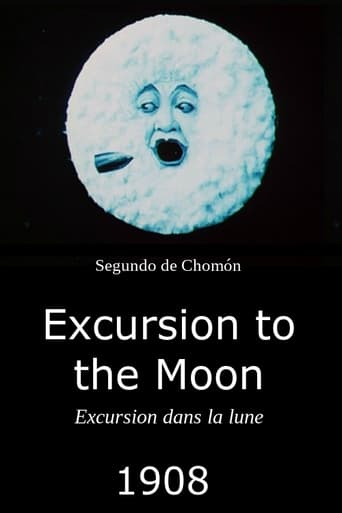 Excursion to the Moon · 1908
Excursion to the Moon
★ 5.31908
MovieComedyFantasy
Segundo de Chomón's remake of Georges Méliès' A Trip to the Moon.
 The Regret · 1905
The Regret
★ 5.51905
MovieDrama
A servant kills his miser master and buries his corpse. The murderer is haunted by the ghost of his victim....or is it his own conscience?
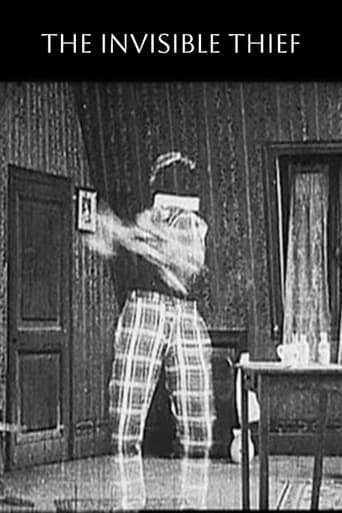 Le Voleur invisible · 1909
Le Voleur invisible
★ 6.11909
MovieCrimeFantasy
A man in a suit and cap stops in front of the display of a bookseller, finds and flips… "Invisible Man" by H. G. Wells! Fascinated by the subject, he buys the book and goes home with the intention to test the invisibility formula described by the author…
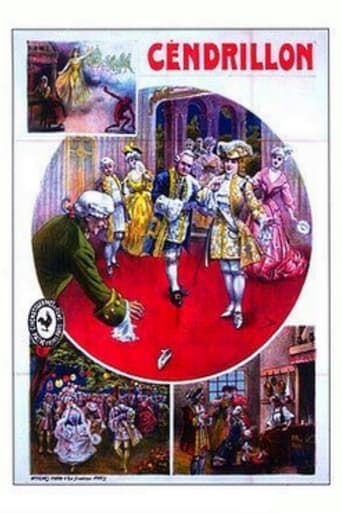
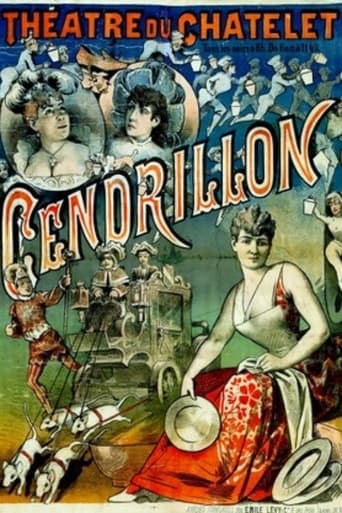 Cinderella or The Glass Slipper · 1912
Cinderella or The Glass Slipper
★ 5.81912
MovieDramaFantasy
Georges Méliès's first attempt at Cinderella was in 1899. That film was extraordinary then for having multiple scenes and a semblance of a narrative; additionally, the use of dissolves as transitions in it influenced other filmmakers for years to do the same. Méliès was the cinema world's preeminent leader then. By 1912, however, that was no longer the case; frankly, as evidenced by this feature, his style had become dated. Moreover, Méliès had begun to adopt techniques from other filmmakers, such as direct cuts instead of dissolves, and there's even a match on action shot during the slipper trying-on scene.
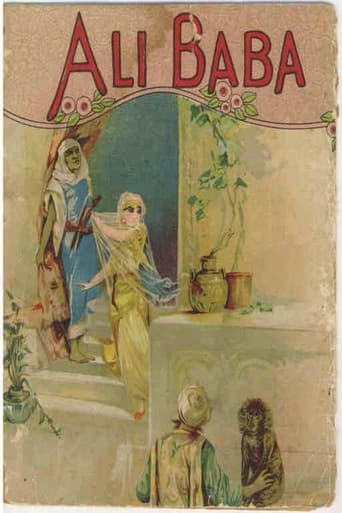 Ali Baba and the Forty Thieves · 1902
Ali Baba and the Forty Thieves
★ 6.01902
MovieAdventure
An early hand-tinted adaptation of Ali Baba.
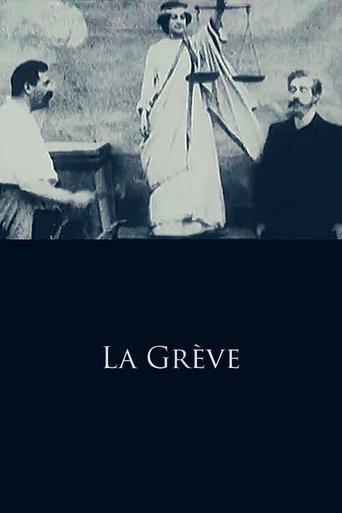 The Strike · 1904
The Strike
★ 5.81904
MovieDrama
During a strike, several workers are killed in a confrontation. The wife of one of them kills the factory owner. At her trial, the owner's son asks for mercy, knowing that his father was wrong. Because of that the wife is freed.
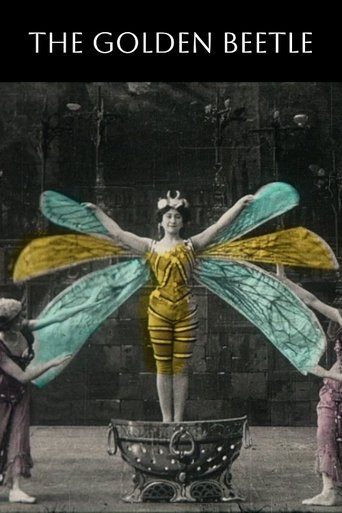 The Golden Beetle · 1907
The Golden Beetle
★ 6.01907
MovieFantasy
A magician is surprised when he attempts to transform a beetle.