Directing
Hartmut Bitomsky
Born May 10, 1942 · Bremen, Germany
Died September 24, 2025 · aged 83
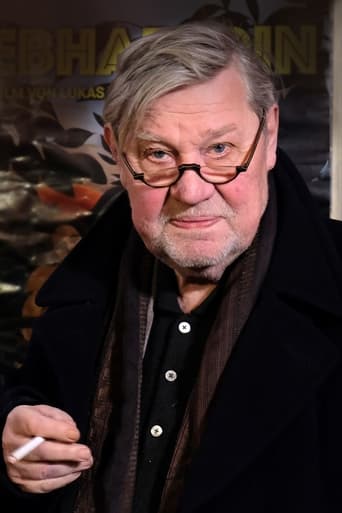
Hartmut Bitomsky was a German filmmaker and film producer. He was the director of the German Film and Television Academy Berlin from 2006 to 2009.
Known For
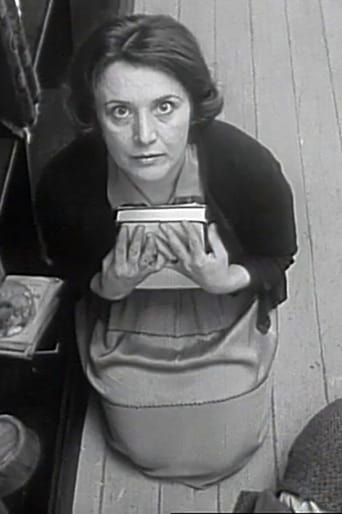 Das Vöglein · 1966
Das Vöglein
1966
Movie
Short thriller about an older woman and an escaped convict.
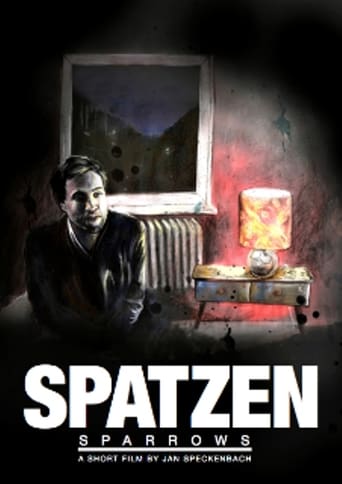 Sparrows · 2009
Sparrows
★ 1.02009
MovieDramaMusic
A man and a woman meet in a bar. They walk through the night without any reason. At dawn they separate again. A long take.
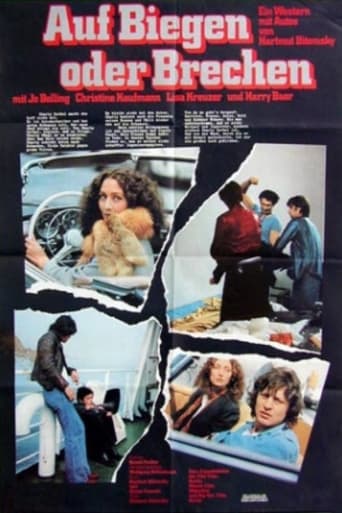 Bent or Broken · 1975
Bent or Broken
★ 9.01975
MovieDrama
A darkly comedic exploration of personal struggle and societal pressure, we follow the story of a middle-aged man named Max, who is trapped in a life of monotony and frustration. After a series of unexpected events, Max finds himself in increasingly absurd and challenging situations, forcing him to confront his own limitations and fears. With sharp humor and a critique of societal expectations, the film delves into the pressures that shape our lives and the lengths we go to in order to break free from them. A poignant yet quirky tale about bending to life's demands or breaking under the weight of it all.
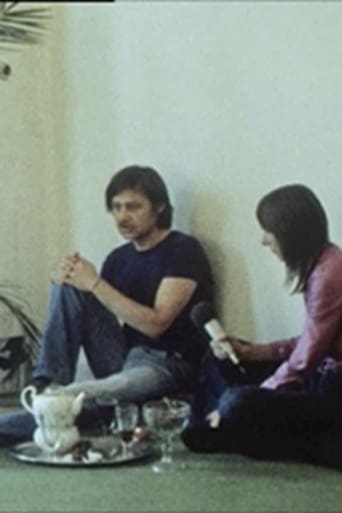 Es stirbt allerdings ein jeder, fragt sich nur wie und wie Du gelebt hast (Holger Meins) · 1976
Es stirbt allerdings ein jeder, fragt sich nur wie und wie Du gelebt hast (Holger Meins)
★ 7.11976
MovieDocumentary
A look into the life of Holger Meins, the German cinematography student who became a revolutionary and a prominent voice in the Vietnam War protest movement. This film is comprised of interviews with his associates.
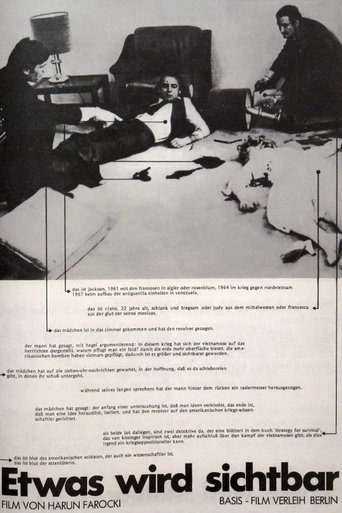 Before Your Eyes - Vietnam · 1982
Before Your Eyes - Vietnam
★ 7.01982
MovieDrama
An unconventional essay film that interrogates the visual and ideological legacy of the Vietnam War. Blending staged scenes, archival footage, photographs, and philosophical dialogue, the film follows various characters — including an American soldier captured by North Vietnamese villagers — as they reflect on violence, memory, and image-making. Set partly in West Berlin and partly in reconstructed spaces representing Vietnam, the film avoids traditional dramatic narrative in favor of a fragmented montage of voices, documents, and reenactments. Interweaving love stories, political debate, and historical commentary, Farocki creates a critical reflection on how war is represented, seen, and imagined, both in cinema and in public consciousness. The result is a complex meditation on images as weapons and instruments of perception.
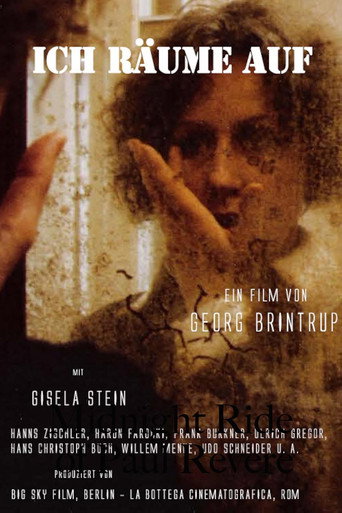 Putting Things Straight · 1979
Putting Things Straight
1979
MovieDrama
 Die UFA · 1992
Die UFA
★ 8.51992
MovieDocumentary
Die UFA, a film essay about the eponymous German studio.
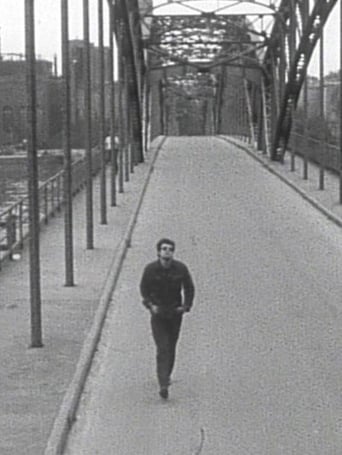 3000 Houses · 1967
3000 Houses
★ 9.01967
Movie
“Six young people move through a city in order to establish the starting point of their joint action. But they can’t agree on the topic. In the end everybody goes their own way and leaves the city.” - Hartmut Bitomsky