Directing
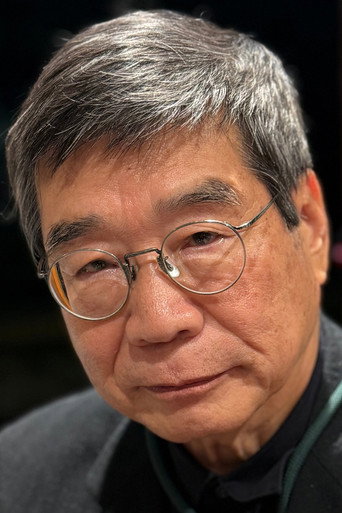
Kazuo Hara
Born June 8, 1945 · Ube, Yamaguchi, Japan (age 81)
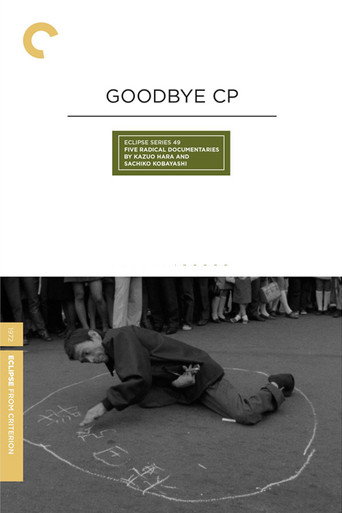
Kazuo Hara (原一男 Hara Kazuo, born 8 June 1945) is a Japanese documentary film director. After dropping out of university to work at a special education school, he made his 1972 debut work Goodbye CP about a group of individuals with cerebral palsy. He won the award for Best Director at the 12th Hochi Film Award and at the 9th Yokohama Film Festival for The Emperor's Naked Army Marches On. That film…
Known For
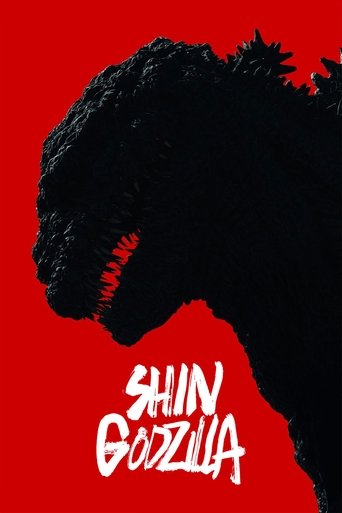 Shin Godzilla · 2016
Shin Godzilla
★ 7.32016
MovieActionScience Fiction
When a massive, gilled monster emerges from the deep and tears through the city, the government scrambles to save its citizens. A rag-tag team of volunteers cuts through a web of red tape to uncover the monster's weakness and its mysterious ties to a foreign superpower. But time is not on their side - the greatest catastrophe to ever befall the world is about to evolve right before their very eyes.
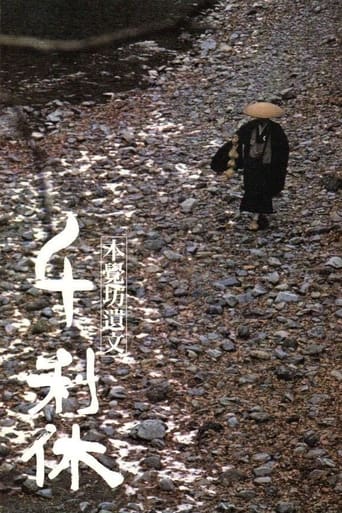 Death of a Tea Master · 1989
Death of a Tea Master
★ 5.61989
MovieDramaHistory
Years after the death of legendary tea master Rikyu, his disciple Honkakubo attempts to resolve the mystery of the master's death.
 The Stars and the Moon are Holes in the Sky · 2025
The Stars and the Moon are Holes in the Sky
★ 5.32025
MovieDrama
A 40-something disillusioned novelist, Yazoe, haunted by a failed marriage and a crippling personal secret, navigates hollow affairs with a courtesan named Chieko while projecting his emotional void onto the protagonists of his love novels—until an accidental encounter with a naive college student, Noriko Seyawa, unravels his guarded solitude, forcing him to confront his fear of intimacy and the buried trauma shaping his twisted philosophy on love.
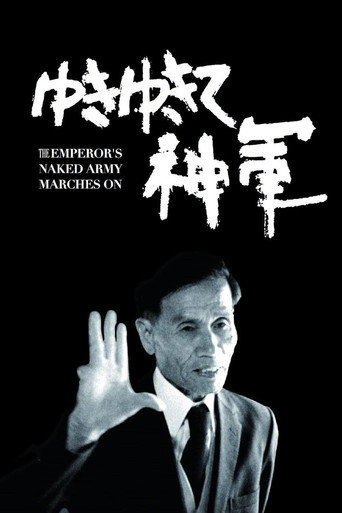 The Emperor's Naked Army Marches On · 1987
The Emperor's Naked Army Marches On
★ 7.61987
MovieDocumentary
Kenzo Okuzaki, a 62-year-old anarchist veteran of the New Guinea campaign in World War II, sets out to conduct interviews with survivors and relatives to find the truth behind atrocities committed by Japanese military, in particular the unexplained killing of two Japanese privates in his unit.
 The Many Faces of Chika · 2005
The Many Faces of Chika
★ 9.02005
MovieDrama
When her husband is hospitalized with tuberculosis, Chika has a series of three relationships: with a teacher in her hometown, with a student in Tokyo, and with an aging gangster.
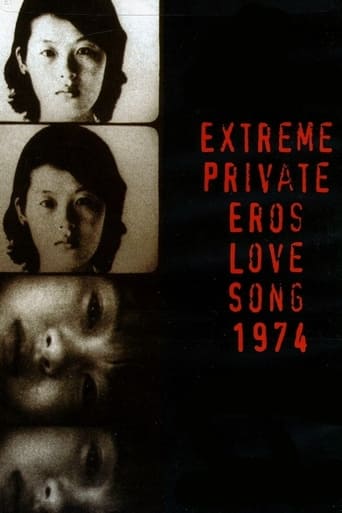 Extreme Private Eros: Love Song 1974 · 1974
Extreme Private Eros: Love Song 1974
★ 6.81974
MovieDocumentary
When his wife, the outspoken feminist Miyuki Takeda, announced that she was leaving him in order to find herself, Kazuo Hara began this raw, intensely personal documentary as a way to both maintain a connection to the woman he still cared for and to make sense of their complex relationship. Granted at times shockingly intimate access to Miyuki’s personal life, Hara follows her wayward journey toward liberation as she explores her sexuality with both men and women, becomes pregnant and raises a family as a single mother, and grows increasingly disenchanted with the constraints of traditional social structures.
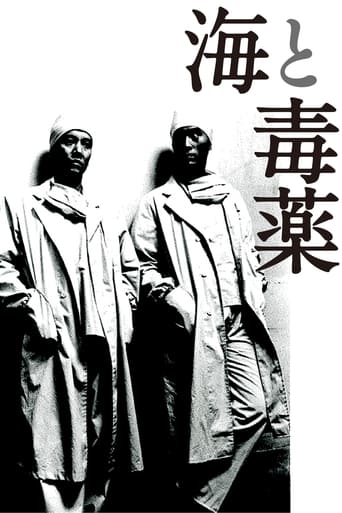 The Sea and Poison · 1986
The Sea and Poison
★ 7.01986
MovieDramaWar
Two interns and a nurse are interrogated by American MPs for their involvement in an atrocity during the war: the vivisections of a downed American air crew.
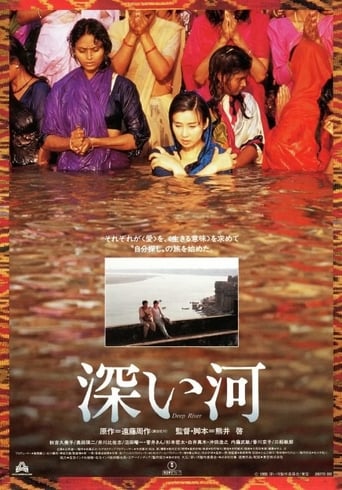 Deep River · 1995
Deep River
★ 7.31995
MovieDrama
A group of Japanese tourists try to forget their pasts and find themselves in India.