Directing
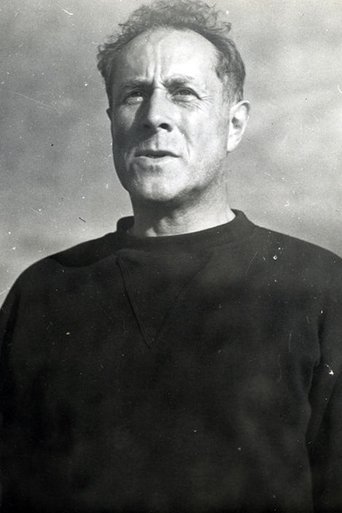
Jean Painlevé
Born November 20, 1902 · Paris, France
Died July 2, 1989 · aged 86
Jean Painlevé was a French photographer and filmmaker who specialized in underwater fauna.
Known For
 Sea Urchins · 1954
Sea Urchins
★ 6.31954
MovieDocumentary
Underwater photography, magnified close-ups, and film through microscope present the sea urchin, a complex creature. We see their mouth and five teeth close and open. After injecting one with gelatin, the shell is removed and we see the muscle structure, digestive tube, and reproductive organs. Magnified stems reveal suction cups; stems lengthen and contract allowing the sea urchin to move. We see microscopic calcareous stems; at their ends are jaws with various uses. Cilia everywhere are in constant motion, stirring up water and debris. African music on the soundtrack suggests a shuffle dance.
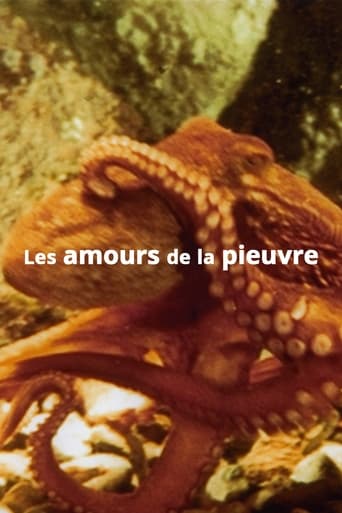 The Love Life of an Octopus · 1967
The Love Life of an Octopus
★ 6.71967
MovieDocumentary
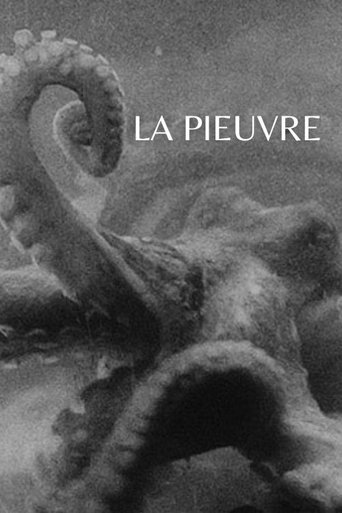
An octopus slithers into a narrow crack near the shore; we see its eye up close. It feeds on a crab. In spring it's time to mate. A male grabs a female; he inserts his third arm in her respiratory cavity. We watch another pair: a larger female is the aggressor here. Mating is repeated over hours and days. The female releases strings of fertilized eggs that hang from the roof of a nest. She guards her spawn for a month, fanning the strings to circulate water for oxygen and cleanliness.
 Blood of the Beasts · 1949
Blood of the Beasts
★ 7.51949
MovieDocumentary
An early example of ultra-realism, this movie contrasts the quiet, bucolic life in the outskirts of Paris with the harsh, gory conditions inside the nearby slaughterhouses. Describes the fate of the animals and that of the workers in graphic detail.
 Diatoms · 1968
Diatoms
★ 6.41968
MovieDocumentary
The one-celled long and slender diatom, up close: discovered in 1703 with the invention of the microscope. We observe them magnified 10,000 times: water expelled through the skeleton, mucilage constantly emitted, allowing it to glide. Their energy comes from sunlight. They divide and disperse. The narrator, conversing with a young woman, says their remains cover one-third of the earth's surface. They have uses in petroleum, explosives, and polish. Some live in isolation, some in colonies, like elaborate fans. They can move in clusters. Many small animals eat them. We watch them slide on each other in long strings.
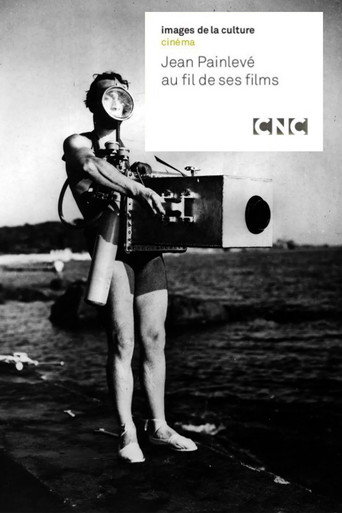 Jean Painlevé Through His Films · 1989
Jean Painlevé Through His Films
★ 6.01989
MovieDocumentary
This documentary about the life and work of filmmaker Jean Painlevé was originally presented in eight parts on French television. It was edited to remove duplicated material from its original length of 240 minutes.
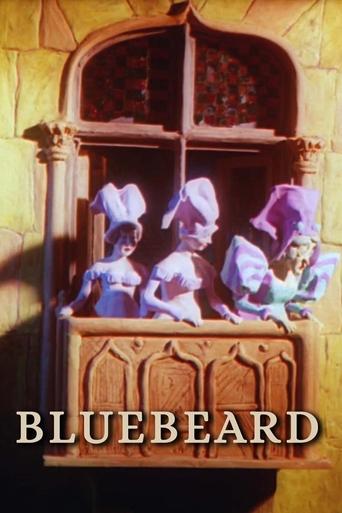 Bluebeard · 1936
Bluebeard
★ 6.11936
MovieAnimationMusic
Perrault's fairy tale presented in claymation with choral voices. Bluebeard goes courting, all six of his wives having died. He arrives at the house of a widow with two daughters. He's greatly feared, but he overcomes objections with a generous dowry. One sister (Anne) refuses him; the other accepts. At his castle, the damsel delights in precious minutes away from Bluebeard in the rose garden. The Saracens declare war; Bluebeard goes off to fight them, leaving the keys to the castle in the damsel's hands. He warns her not to enter the forbidden room. As war rages, she discovers riches in the castle and then enters the forbidden room. Will Bluebeard discover her act? Can she escape death?
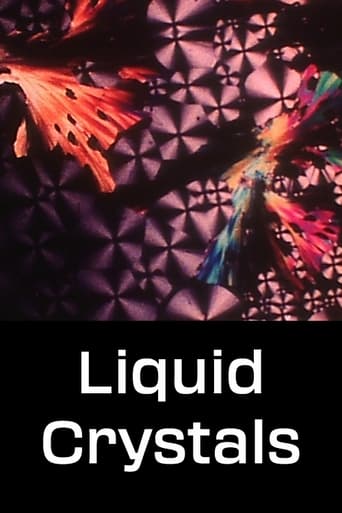 Liquid Crystals · 1978
Liquid Crystals
★ 6.91978
MovieDocumentary
Title cards introduce images we watch without narration; they are displays of shape and color. François de Roubaix's electronic music accompanies these images, photographed under a polarizing microscope. The crystals appear to move like tiny organisms: small four-part fans share the frame with flowing lines of pink. Multiple patterns appear side by side.
 Sea Urchins · 1929
Sea Urchins
★ 6.41929
MovieDocumentary
A close-up look at sand urchins and rock urchins. At the seashore, a man digs up a sand urchin. We look closely. He sets it back in the sand, and it burrows out of sight. Its intestines take nutrients out of sand. Using magnification 200,000 times normal size, we see a rock urchin's spines with suckers on the end; a drawing illustrates how they work. A sea urchin walks toward a rock. We see three-fingered jaws—pedicellaria at the end of flexible stems—take in algae and other bits. We also see cilia less than 0.001 ml in length; their motion constant, creating whirlpools. On the shore again, we watch the setting sun. Occasional titles in French tell us what to watch for.
Filmography
Sort