Directing
Ulrike Ottinger
Born June 6, 1942 · Konstanz, Germany (age 84)
Ulrike Ottinger is an avant-garde, contemporary German artist. She is particularly well-known and successful as a filmmaker, painter and photographer.
Known For
In 5 days
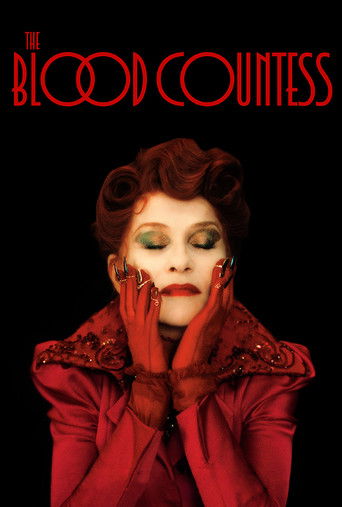
The Blood Countess · 2026The Blood Countess
2026
MovieComedyHorror
The Blood Countess and her maid embark on a quest for the red elixir of life and a book that threatens the vampire realm. Hot on their heels are a police inspector, two vampirologists, a vegetarian nephew and his therapist.
 Laboratorium Anthology · 1999
Laboratorium Anthology
1999
MovieDocumentary
Scenes from the life and work at Anthology Film Archives. Much of the footage in this video was shot by Auguste Varkalis.
 Paris Calligrammes · 2020
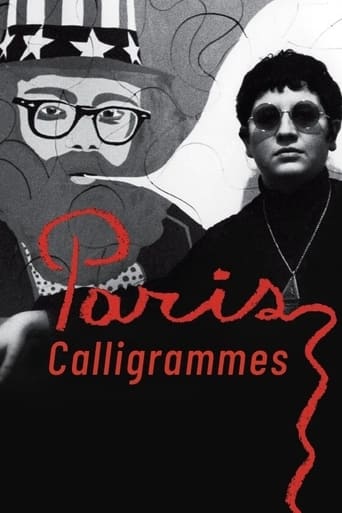
Paris Calligrammes
★ 5.52020
MovieDocumentary
Ulrike Ottinger weaves her personal memories of Parisian bohemianism and the serious social, political and cultural upheavals of the time into a cinematic “figure poem.”
 Dorian Gray in the Mirror of the Yellow Press · 1984
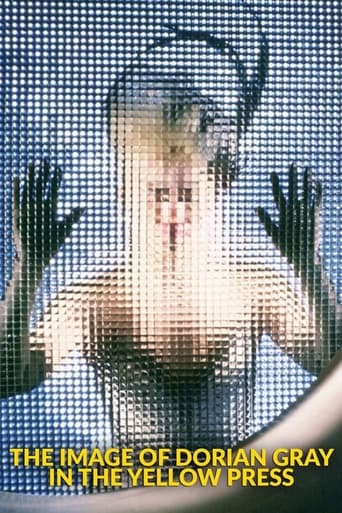
Dorian Gray in the Mirror of the Yellow Press
★ 5.61984
MovieDrama
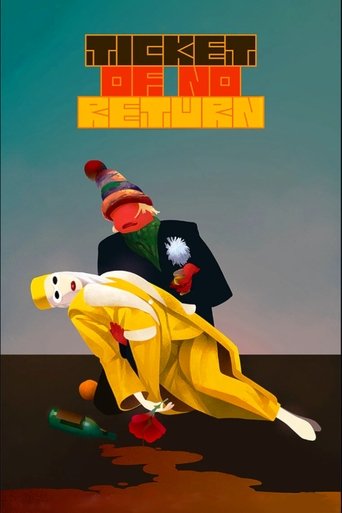
The final installment in Ulrike Ottinger’s Berlin Trilogy (following TICKET OF NO RETURN and FREAK ORLANDO) casts Delphine Seyrig as the nefarious Fritz Lang supervillain Dr. Mabuse, here the head of a powerful media empire that seeks to create headlines by manufacturing (and then publicly destroying) its own celebrity: the wealthy, handsome playboy Dorian Gray.
 Prater · 2007
Prater
★ 5.82007
MovieDocumentary
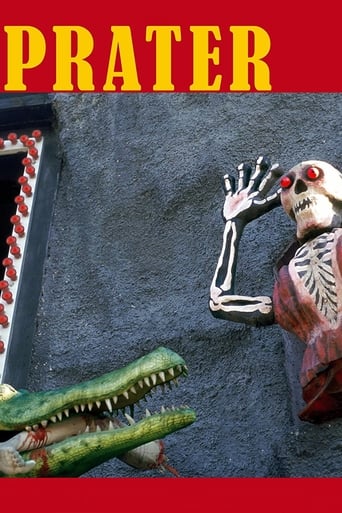
Vienna’s Prater is an amusement park and a desire machine. No mechanical invention, no novel idea or sensational innovation could escape incorporation into the Prater. The diverse story-telling in Ulrike Ottinger’s film “Prater” transforms this place of sensations into a modern cinema of attractions. The Prater’s history from the beginning to the present is told by its protagonists and those who have documented it, including contemporary cinematic images of the Prater, interviews with carnies, commentary by Austrians and visitors from abroad, film quotes, and photographic and written documentary materials. The meaning of the Prater, its status as a place of technological innovation, and its role as a cultural medium are reflected in texts by Elfriede Jelinek, Josef von Sternberg, Erich Kästner and Elias Canetti, as well as in music devoted to this amusement venue throughout the course of its history.
 Chamisso’s Shadow · 2016
Chamisso’s Shadow
★ 6.32016
MovieDocumentary
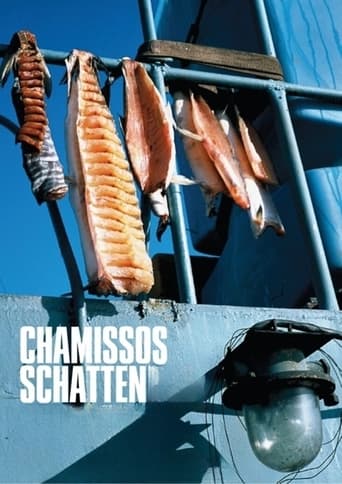
A three-chapter 720-minute cinematic exploration inspired by historical explorers like Adelbert von Chamisso. The film intertwines past and present travel experiences, using readings and visual materials to explore themes of cultural knowledge loss and change, drawing parallels to Chamisso’s “Wondrous Story” of Schlemihl and his shadow.
 Usinimage · 1987
Usinimage
★ 8.01987
MovieDocumentary
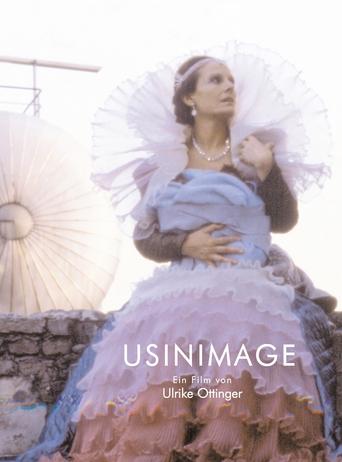
Selected industrial and city settings from the three films were documented again for Usinimage and intercut with the corresponding fiction film scenes, in order to give the landscapes a new accent through artistic defamiliarization and condensation. It is an exploration of city architecture, in which the shooting location serves not just as reflective or constrastive backdrop but rather becomes itself content.
 Freak Orlando · 1981
Freak Orlando
★ 5.41981
MovieComedyFantasy
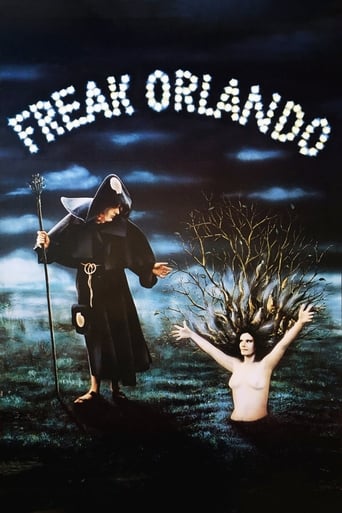
Five more-or-less distinct sections, all featuring "Freak" Orlando, a woman played by the late Magdalena Montezuma, who appears in various guises and deformities throughout.
Filmography
Sort