Directing
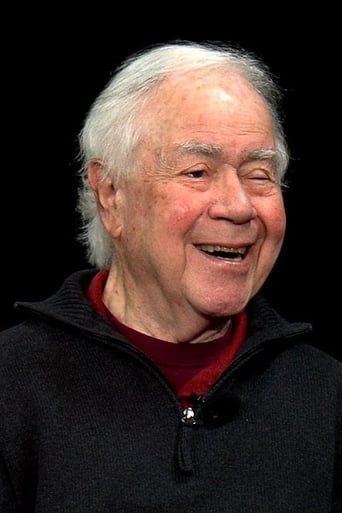
Manfred Kirchheimer
Born January 1, 1931 · Saarbrücken, Germany (age 95)
Manfred Kirchheimer is a documentary film maker and professor of film at the School of Visual Arts in New York City. He previously taught at NYIT. He was born in Saarbrücken, Germany, and his family moved to New York City in 1936 to escape Nazi Germany.
Known For
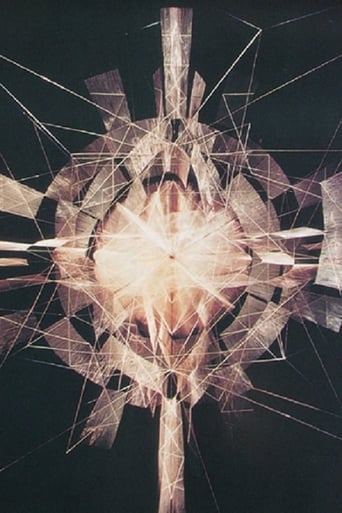 The Sun and Richard Lippold · 1966
The Sun and Richard Lippold
★ 6.41966
MovieDocumentary
Documentary examining the work of sculptor Richard Lippold, particular his sculpture of the sun at the Metropolitan Museum of Art.
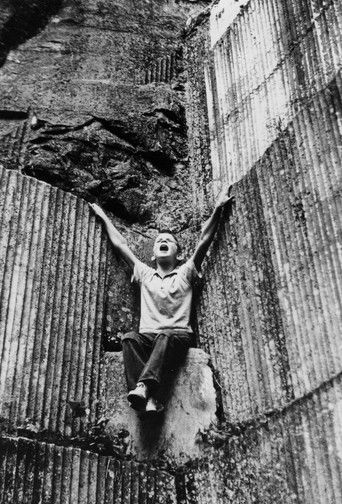 An Essay on Death: A Memorial to John F. Kennedy · 1964
An Essay on Death: A Memorial to John F. Kennedy
1964
MovieDramaDocumentary
In 1964, National Educational Television decided to make a program as a memorial to President Kennedy. Since he had been assassinated just a year before, it seemed unnecessary to recite the events of his death again. Executive Producer, Brice Howard, discussed with Hurwitz the possibility of making a film for television that, instead of engaging the assassination head on, would deal with the inevitablity of mortality and its trauma. Essay On Death uses a story of a camping trip by a father and son to weave the thoughts about death that intercede in our everyday affairs. The commentary is made up of writings, ancient and modern, on the life and death. Beautifully realized, it succeeds at a task that mainstream television rarely attempts.
 For Life, Against the War · 1967
For Life, Against the War
★ 6.01967
MovieAnimation
First shown on January 30, 1967, FOR LIFE AGAINST THE WAR was an open-call, collective statement from American independent filmmakers disparate in style and sensibility but united by their opposition to the Vietnam War. Part of the protest festival Week of the Angry Arts, the epic compilation film incorporated minute-long segments which were sent from many corners of the country, spliced together and projected. The original presentation of the works was more of an open forum with no curation or selection, and in 2000 Anthology Film Archives preserved a print featuring around 40 films from over 60 submissions.
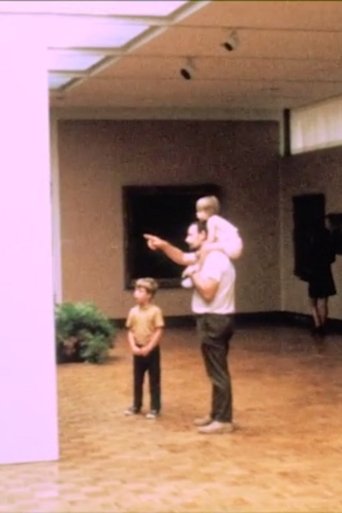 This Island · 1970
This Island
★ 7.01970
MovieDocumentary
How the art in the Detroit Institute of Art connects to life's experiences and the neighborhood.
 Discovery in a Painting · 2016
Discovery in a Painting
2016
MovieDocumentary
Following his use of art, painting and sculpture, in his work of the previous decades, Hurwitz took on a project for the American Foundation of the Arts aimed at deepening and enriching, for art students, the way in which we see. Working with his second wife, the editor Peggy Lawson, he made four short films comprising The Art of Seeing Series. The films, made without words, are beautiful poems to the pleasure of sight. This film came as a challenge that Hurwitz made for himself, to replicate in film his experience of seeing a work of art — in this case Césanne’s Still Life with Apples, 1895-98, that hangs in the Museum of Modern Art in New York. Although he finished the visual part of the film, he was stymied by the soundtrack in which he wanted no narration. About 45 years later, his colleague, Manfred Kirchheimer, created a sound track and produced the finished film.
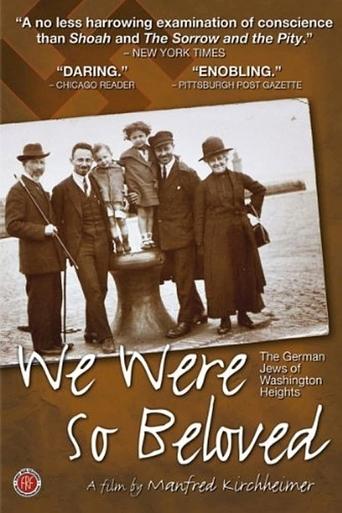 We Were So Beloved · 1986
We Were So Beloved
1986
MovieDocumentary
Filmmaker Manfred Kirchheimer gained the trust of holocaust survivors living in New York's Washington Heights who agreed to talk to his cameras. But what they told him went so far against the grain that it could only be described as controversial.
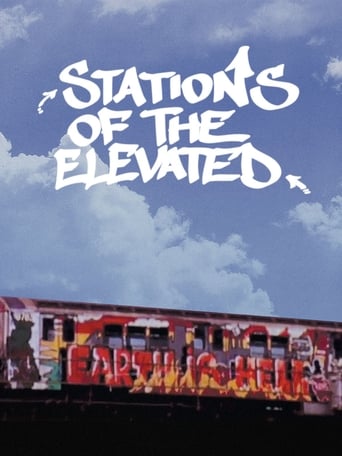 Stations of the Elevated · 1981
Stations of the Elevated
★ 7.51981
MovieDocumentary
Stations of the Elevated exposes viewers to an underground art scene- that is, one found exclusively on the sides of subways and train cars. A moving portrait of late-70's NYC, the film boasts a soundtrack by jazz legends Charles Mingus & Aretha Franklin.
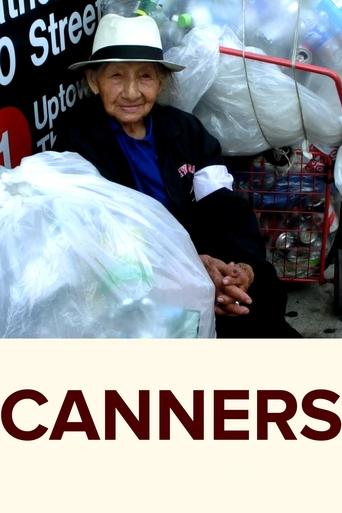 Canners · 2015
Canners
2015
Movie
Rummaging through city trash for hours and miles, New York’s gleaners gather and recycle soda cans for a nickel apiece. The stories they tell are full of humor, violence, tragedy, and resilience. As Kirchheimer’s documentary reveals, however, their tireless labor is ignored or scorned, but for the occasional doorman or Good Samaritan who chooses to lend his hand rather than avert his gaze.
Filmography
Sort
This Island · 1970This Island
★ 7.01970
MovieDocumentary
How the art in the Detroit Institute of Art connects to life's experiences and the neighborhood.
Director of Photography