Directing
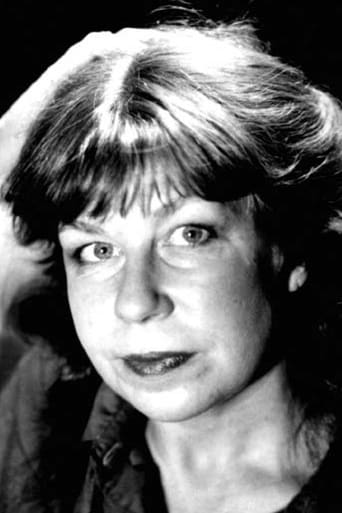
Dore O.
Born August 9, 1946 · Mülheim an der Ruhr, Germany
Died March 7, 2022 · aged 75
Trained as a painter, O. was cofounder of the Hamburger Filmschau, alongside with her husband and collaborator Werner Nekes. For all the psychedelia of her early work, subsequent films are rigorous in refractory experimentation: rear-projections, double-impositions, repeated frames and breathtaking lunges of the handheld camera, which seems bolstered as much by raw impulse as it does by any guidin…
Known For
 Uliisses · 1982
Uliisses
★ 4.31982
MovieDrama
Director Werner Nekes has created this experimental film in the mode of James Joyce's Ulysses to the extent that human interactions are represented by poetic, symbolic images and language, with a certain amount of nudity added in.
 Home Movies 1971-81 · 1985
Home Movies 1971-81
1985
MovieDocumentary
Home movies shot on Super 8mm by W+B Hein over 10 years.
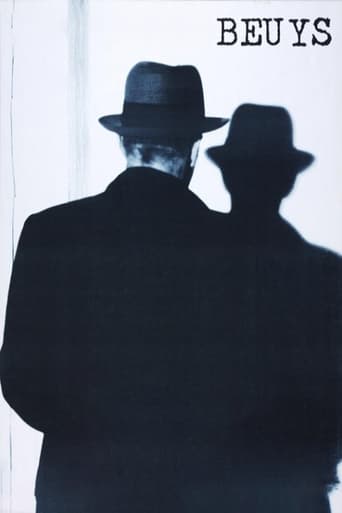 Beuys · 1981
Beuys
★ 6.01981
MovieDocumentary
The German artist Joseph Beuys is reflecting on his theory of art, being filmed as a kinetic sculpture. In 1981, the film has won the German film critic's award for “Best short film in Germany”.
 Kaldalon · 1971
Kaldalon
★ 7.91971
MovieDocumentary
Attracted to Nordic landscapes, [Dore O.] filmed KALDALON (1970/71) in Iceland where images of water, rocks, steam and smoke were technically enhanced to appear blue-tinged.
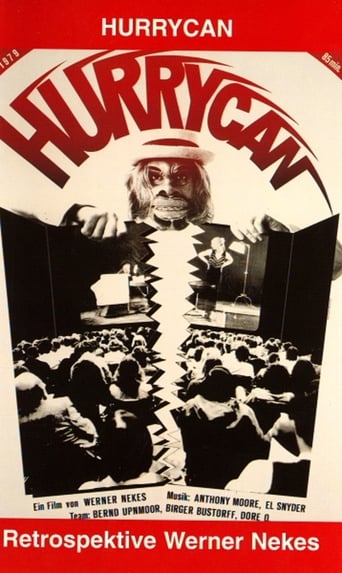 Hurrycan · 1979
Hurrycan
1979
Movie
Hurrycan has nothing to do with whirlwinds, although in this Nekes film the pictures journey across the screen, excitedly, spasmodically and flickering. The title weds the element of haste with the notion of a film can, which in this case turns out to be something of a Pandora's Box and contains expectations for a new way of seeing. A computerized shutter system that Nekes had built.
 Thermoment · 1998
Thermoment
★ 10.01998
Movie
For "Thermoment" Dore O. filmed the clarinetist Eckard Koltermann with a heat recording camera and thus translated the heat regions of the body's interior into images while making music.
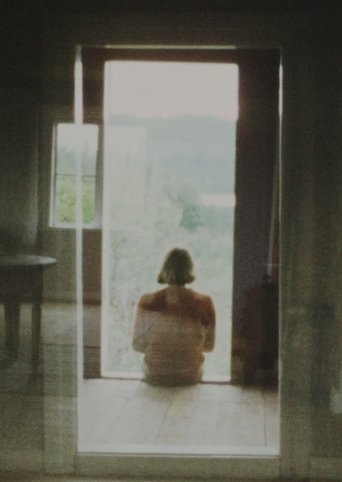 Kaskara · 1974
Kaskara
★ 7.01974
MovieDocumentary
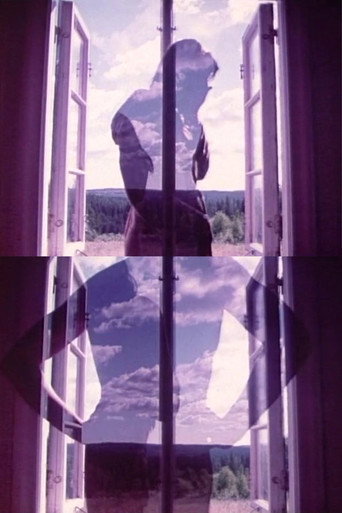
An experimental film where a particular space is constantly "present" : there is a complex usage of superim- position, and of split-screen effects. The place shown is a part of a house in the country. Doors and windows are continually shown, emphasizing the film's concern with framing. Other images are present: city-scapes of a particularly sinister nature, implying a sense of ruin, and shots of a chorus on a stage. These shots begin and end the film which is accompanied by a vocal chant on the soundtrack.
 Eye-Step · 2000
Eye-Step
2000
Movie
Traces a series of forever-winding staircases like liminal excerpts from an endless memory-spool, asking the viewer which spaces their eyes may have taken for granted along the ambling path.
Filmography
Sort