P
Directing
Paul Burnford
Born July 19, 1914 · London, England, UK
Died March 28, 1999 · aged 84
Paul Burnford was a British-born American director, cinematographer, and educator. He began his career in the British film industry before relocating to the United States, where he directed and photographed numerous short films and documentaries. Notable works include Adventures of Rusty (1945) and Storm (1943), a short film examining the impact of severe weather. Beyond his filmmaking endeavors,…
Known For
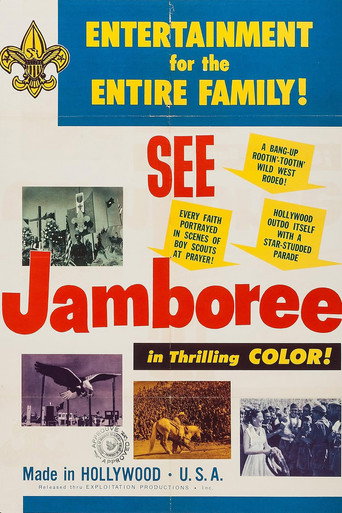 Jamboree · 1954
Jamboree
1954
MovieDocumentary
While riding on horseback with fellow actor Bill Demarest near the vast Irvine Ranch in Southern California, Jimmy Stewart pauses to explain that Irvine will be the location of the 1953 Boy Scout Jamboree.
 Fall Guy · 1945
Fall Guy
★ 8.01945
MovieDramaCrime
Part of the Crime Does Not Pay short series.
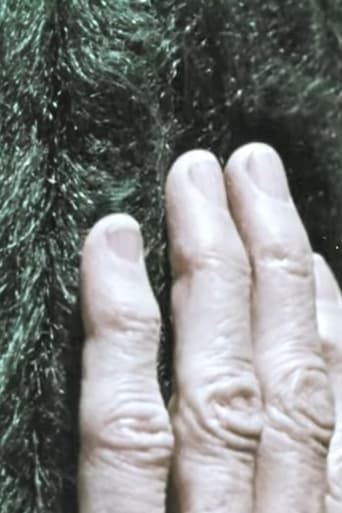 Discovering Texture · 1961
Discovering Texture
★ 10.01961
MovieDocumentary
Explores the concept of texture in our environment and how it is perceived through our senses, particularly touch and sight. The film describes texture as the surface quality of objects, which can range from smooth to rough, shiny to bumpy, or any variation in between. It emphasizes that every surface, including the Earth and living things on it, has its own unique texture.
 Adventures of Rusty · 1945
Adventures of Rusty
★ 6.31945
MovieFamilyAdventure
Fearing that his recently-acquired step-mother, Ann Dennis, is competing with him for his father's affections, and saddened by the death of his dog, young Danny Mitchell seeks consolation in the companionship of a ferocious, Nazi-trained police dog, Rusty, brought to the U.S. by a returning WWII-veteran. The step-mother, with tender understanding, eventually wins Danny over while Danny pacifies his new dog.
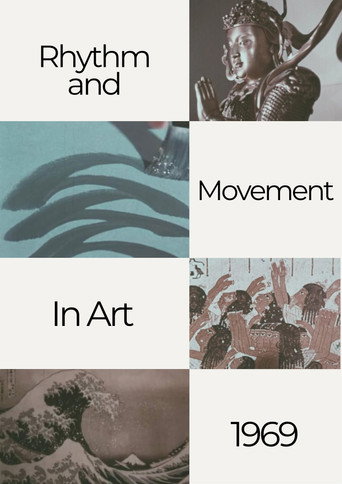 Rhythm and Movement in Art · 1969
Rhythm and Movement in Art
1969
MovieDocumentary
This film explores the fundamental role of rhythm and movement in art, drawing parallels between natural phenomena and artistic creation. It demonstrates how artists utilize various elements like line, color, light, and form to evoke a sense of rhythm and motion. Through examples from different art forms, including painting, sculpture, architecture, and film, the transcript highlights techniques such as repetition, alternation, and accent to create dynamic visual experiences that engage the viewer's eye and imbue static works with life.
 Time in the Sun · 1940
Time in the Sun
★ 6.01940
MovieDocumentary
Second attempt to create a feature film out of the 200,000-plus feet of film which Soviet film-maker Sergei Eisenstein shot during 1931-32 in Mexico for American socialist author Upton Sinclair, his wife and a small company of investors. The projected film, to be called "Que Viva Mexico", was never completed due to exhaustion of funds and Stalin's demand that Eisenstein return to the USSR (he had been absent since 1929). The first attempt at editing the footage, in the USA, resulted in "Thunder Over Mexico", released in 1934. In 1940, Marie Seton, from the UK, acquired some of the footage from the Sinclairs in an attempt to make a better cutting according to Eisenstein's skeletal outline for the proposed film. This film has apparently been lost.
Patrolling the Ether · 1944Patrolling the Ether
★ 7.01944
MovieCrime
1940. Sixteen year old Phillip is one of a number of amateur radio operators across the US, doing it purely as a fun hobby. He is informed by Bill Beck of the Radio and Intelligence Division (RID) of the Federal Communications Commission (FCC) that amateur international radio communication is now banned due to spying a result of the war in Europe. Beck, on behalf of the RID, asks Phillip, however, to continue to monitor the airwaves for suspicious activity.
 Discovering Color · 1960
Discovering Color
1960
MovieDocumentary
The art of mixing color is shown in a visual presentation.
Filmography
Sort
Discovering Color · 1960Discovering Color
1960
MovieDocumentary
The art of mixing color is shown in a visual presentation.
Executive Producer
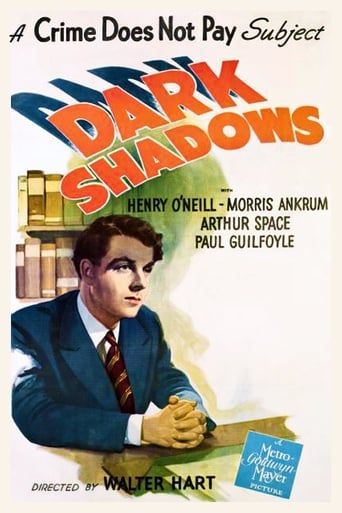
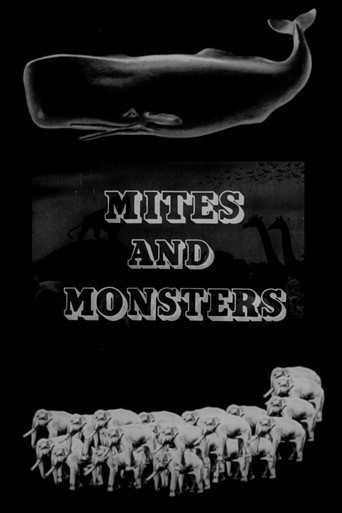 Mites and Monsters · 1938
Mites and Monsters
1938
MovieDocumentary
A popular study of relative anatomy and physiology with particular reference to size and weight.
Director of Photography