T
Acting
Talib Al-Furati
No biography available.
Known For
 The Thirsties · 1971
The Thirsties
★ 9.01971
MovieDrama
In a drought-stricken Iraqi village, residents struggle with dried wells and springs, considering migration. Led by Sheikh Zayed Al-Radi, they unite to find water and persevere through scarcity.
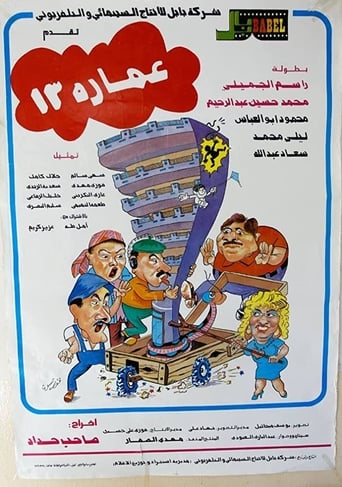 Building No. 13 · 1987
Building No. 13
1987
MovieComedy
Saleh inherits a building after the death of his uncle, he is surprised to find out that tenants living in the building are suffering from different kind of problems caused by his late uncle especially the high rent that he used to collect from them which is higher than the amount agreed on in the contract. Saleh gets an offer from a rich man who wants to buy the building by any price but Saleh refuses that causes the rich man to ask one of his men to do the job of scaring the tenants so they would leave the building.
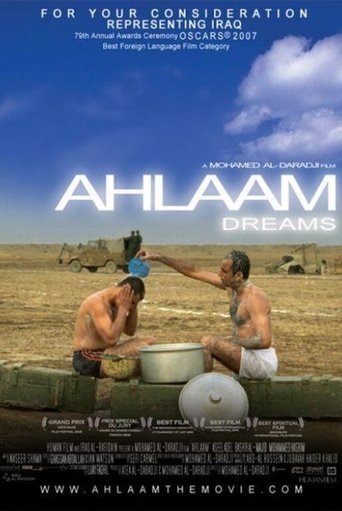 Dreams · 2006
Dreams
★ 5.82006
MovieDramaWar
Scarred Baghdad 2003... confusion, uncertainty and death engulf the bombed ruins of a Psychiatric Asylum. Voyeuristically we move between the past and the present of three Iraqi lives entangled by the chaos of the American 'Shock and Awe' campaign...
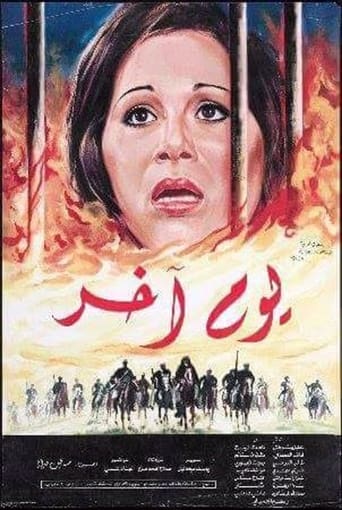 Another Day · 1979
Another Day
★ 9.01979
MovieHistoryDrama
Before the July 1958 revolution, Abu Saeed decides to incite the peasants to rebel against Sheikh Majid Al-Iqtai, who had burned their crops, exploited them, and enslaved them for many years. He succeeds in rallying the people's spirits against him.
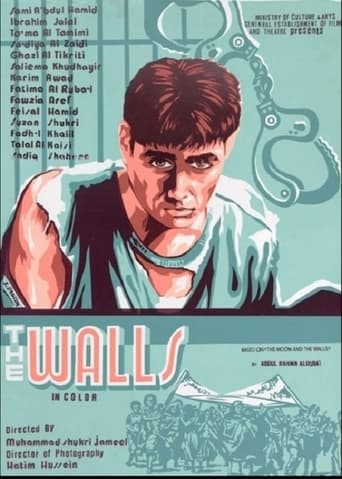 The Walls · 1979
The Walls
★ 9.01979
MovieDrama
A simple family lives in Baghdad, led by a hardworking man named Sheikh Ali. He has a son named Abbas and a daughter named Najia. As Abbas matures, he falls in love with Majida. Yasin, Abbas's mother, seeks to arrange his marriage to Majida. This leads to a conflict between Yasin and Abbas, sparking the flames of revenge and a struggle for control over the family's commercial business.
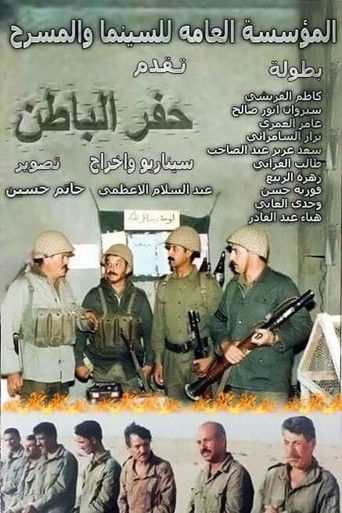 Hafar Al-Batin · 1999
Hafar Al-Batin
1999
Movie
The story revolves around Iraqi army men who, following a historic struggle with the occupying forces, were buried alive in their shelters in the Hafar al-Batin border area by huge bulldozers. Filming began in the spring of 2000, with the city of Habbaniyah selected as the primary shooting location. The film is considered the first Iraqi feature to address the Second Gulf War and involved Iraqi actors alongside Iraqi military units. Approximately 50 actors and 200 military personnel participated in the production. It is believed that the film’s original title was The Longest Day in History before settling on its final name. The film was not permitted to be screened, similar to another Iraqi film, The Countdown. It was reportedly banned because it did not meet the approval of Iraqi President Saddam Hussein.
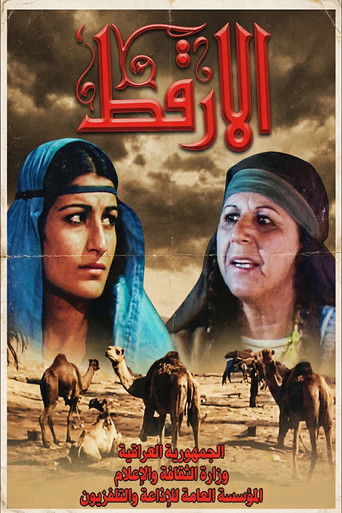 Speckled · 1981
Speckled
1981
Movie
A Bedouin love story set in the desert near Najaf.
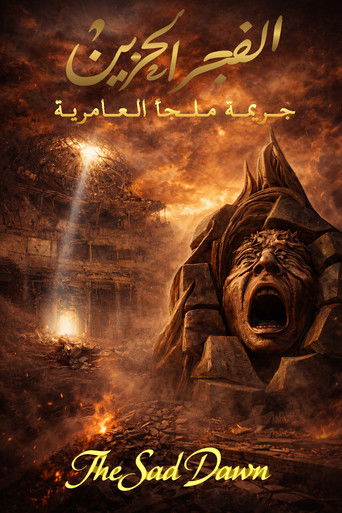 The Sad Dawn · 1991
The Sad Dawn
1991
MovieWarDrama
Amidst the turmoil of the 1991 war, parents faced a harrowing choice: to protect their loved ones from bombs and missiles, they sought refuge in shelters. In Baghdad's Amiriyah shelter, 450 souls found solace, but tragedy struck at dawn when two US missiles, guided by precision, ravaged the sanctuary, leaving devastation in their wake. Desperate families waited outside, their hopes dashed as the reality of war's cruelty unfolded, leaving behind a dawn tainted with sorrow.
Filmography
Sort