More from Ai XiaomingSee all →
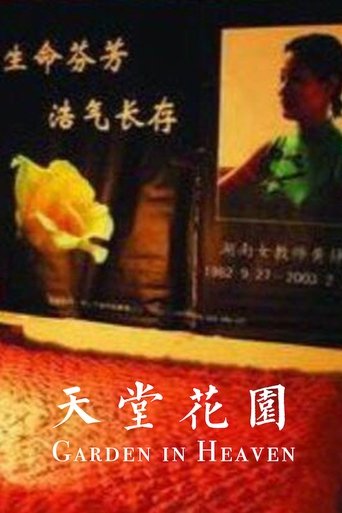 Garden in Heaven · 2007
Garden in Heaven
★ 10.02007
MovieDocumentary
By following the case of Huang Jing, a woman teacher who died of date rape, this documentary captures changes in China between 2003 and 2005, before and after the injunction to respect and protect human rights was incorporated into the constitution. By highlighting grassroots activity by women, the film illustrates awareness of human rights, women’s struggle against judicial corruption, and women taking action against domestic violence in China.
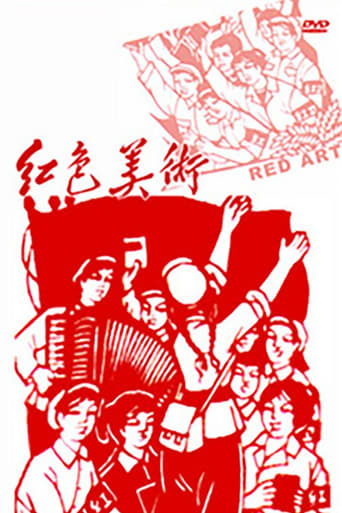 Red Art · 2008
Red Art
★ 8.02008
MovieDocumentary
The launch and development of the Great Proletarian Cultural Revolution not only has a series of CCP Central Committee documents that have promoted wave after wave of movements, but also has various propaganda methods. A large number of different types of literary and artistic products have been produced in a collective form and with the input of the State. As a weapon of revolutionary struggle, works of art are important representatives of this period. Art was a tool for the Cultural Revolution; it fully embodies its aesthetic characteristics, actively cooperating with the development of various movements and the popularization of ideas. It has cultivated the values and visual experience of a generation of Chinese people — the paintings of the Cultural Revolution have been regarded as treasures by Chinese collectors. This film shows the characteristics of the Cultural Revolution paintings through a large number of paintings, as well as the bloody violence and despotism behind them.
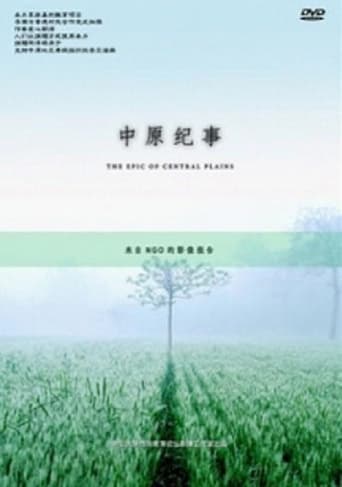 The Epic Of The Central Plains · 2006
The Epic Of The Central Plains
★ 7.02006
MovieDocumentary
In the late 1980s and early 1990s, in an attempt to stop the spread of AIDS, the Chinese government sought a “purer” blood supply from its rural population. Burdened by agricultural taxes and rising costs of education and health care, many peasants sold blood to state and private blood-collectors. Due to lack of sanitary control, a large number of blood-sellers were infected with HIV. Starting from the mid-1990s, AIDS villages multiplied.
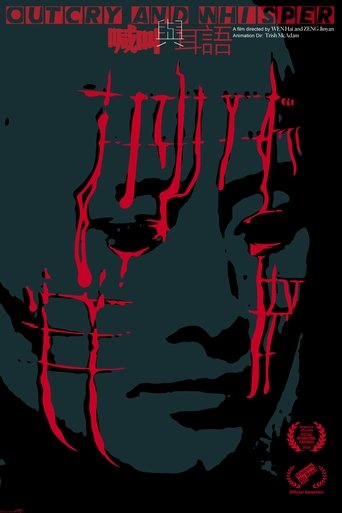 Outcry and Whisper · 2020
Outcry and Whisper
2020
MovieDocumentary
Shot over an eight-year period (2007-2015), this documentary film aims to present women’s struggle in the private and public spheres, both in China and Hong Kong. It offers a view into the lives of female factory workers, artists, rights activists, and intellectuals – whom deal with political violence, sexual harassment, online bullying, long-term separation from family, arbitrary treatment by transnational factory management, and/or poverty in their home villages.
 Tayuan · 2007
Tayuan
2007
MovieDocumentary
Tayuan is the location of the first museum of the Cultural Revolution in China. However, this important Cultural Revolution museum was established with private funds. The reason for its construction here is that there is a tomb of the victims of the Cultural Revolution. This film documents the little-known massacre and the construction of the Cultural Revolution Museum in Shantou, Guangdong during the Cultural Revolution. However, a few years later, this museum was banned by the government.
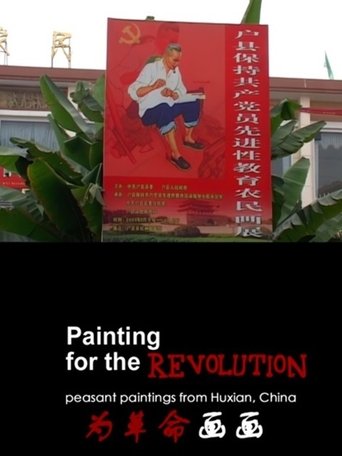 Painting For The Revolution: Peasants Paintings from HU County · 2005
Painting For The Revolution: Peasants Paintings from HU County
2005
MovieDocumentary
Hu County, in suburban Xi’an, is famous for its peasant paintings, produced in 1958 during the Great Leap Forward. It became particularly famous during the Cultural Revolution, when these works were hailed as model paintings. In 2005, the directors visited the county and interviewed both the painters and their teachers. Comparing different political languages and artistic imaginings across the ages, the film draws on diverse sources: old documentary film clips, new propaganda paintings, Beijing Opera in the local “Qin” accent, and traces of the old amongst the new. All these elements are engaged to help us better understand the painters and the phenomenon of propaganda paintings
 Care and Love · 2007
Care and Love
2007
MovieDocumentary
Liu Xianhong, a Hebei peasant, contracted HIV from a routine hospital blood transfusion. This documentary is the story of her arduous but successful litigation against the hospital responsible. The film documents the fates of several families infected with HIV in the same manner, and reveals rural China's awakening social consciousness against the backdrop of the camaraderie, support, and love that the victims find in each other.
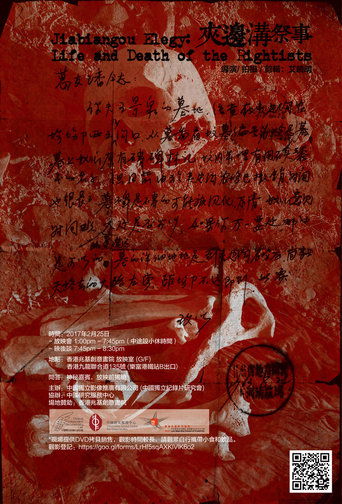 Jiabiangou Elegy: Life and Death of the Rightists · 2017
Jiabiangou Elegy: Life and Death of the Rightists
2017
MovieDocumentary
Jiabiangou Elegy recounts the persecution of inmates at the Jiabiangou labor camp in Jiuquan, Gansu province, and examines the way the victims’ final affairs were handled. During the Anti-Rightist Campaign of 1957–59, over three thousand people were sent to Jiabiangou for re-education through labor. These people were labeled rightists, counterrevolutionaries, and anti-party dissidents. Over a three-year period, more than two thousand died from abuse and hunger; only a few hundred were rescued in the end. The film includes interviews with the few remaining Jiabiangou survivors and their children, and presents the conflict between the preservation and destruction of memory.
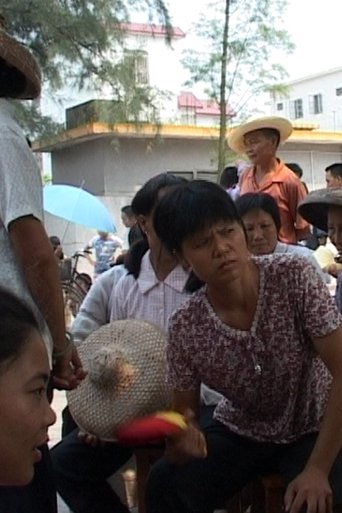 Taishi Village · 2005
Taishi Village
2005
MovieDocumentary
Recounts the struggle of the villagers of Taishi against local authorities in 2005.
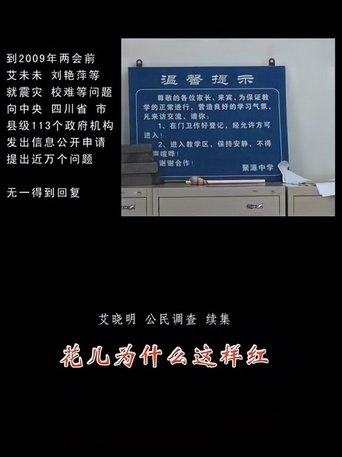 Why the Flowers Are So Red · 2010
Why the Flowers Are So Red
2010
MovieDocumentary
 The Vagina Monologues · 2004
The Vagina Monologues
2004
MovieDocumentary
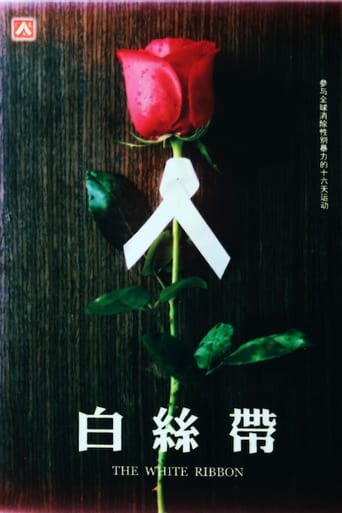 The White Ribbon · 2004
The White Ribbon
2004
MovieDocumentary
In the spring of 2004, a female graduate student was killed at Sun Yat-sen University in Guangzhou, but it was confirmed on the school's website that girls should not refuse male love. This film documents how Chinese professor Ai Xiaoming led the fight back against such patriarchal thinking.
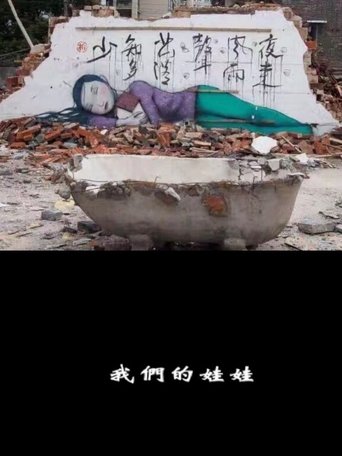 Our Children · 2009
Our Children
2009
MovieDocumentary
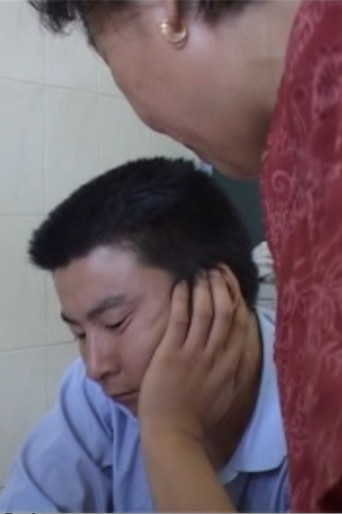 The Days of Huang Jing’s Mother · 2004
The Days of Huang Jing’s Mother
2004
Movie
Hu Jie and Ai Xiaoming co-directed short film.
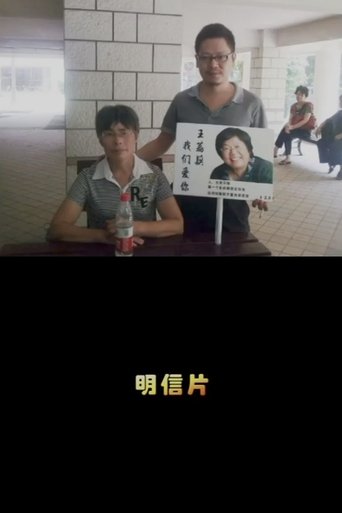 Postcard · 2011
Postcard
2011
Movie
On the morning of September 9, 2011, at 9:30 am, the Chaoyang District People's Court in Beijing rendered a first-instance verdict on the case of Wang Lihong, charged with "picking quarrels and provoking trouble," at the Wenyu River courtroom. Wang Lihong's friends once again gathered at the scene to show their support. Following "Let Sunshine Reach the Ground," Ai Xiaoming captured the events of that day and conducted interviews with lawyers, citizen journalists, artists, and others, documenting their perspectives on the trial of Wang Lihong's case.
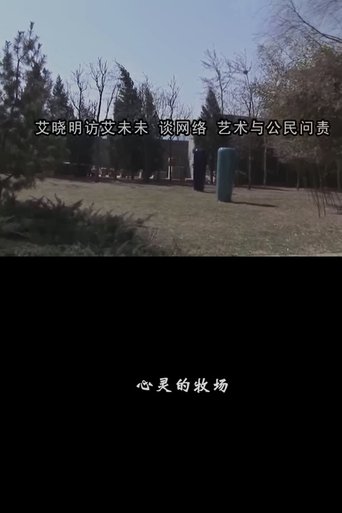 Pasture of the Soul · 2011
Pasture of the Soul
2011
Movie
More Like This
Couldn't load this row right now.