Lilan
1965 · 9 min
Lilan, the heroine, reconciles herself with the breakup of an affair.
Directed by Massimo Bacigalupo
Your Rating
Cast
More from Massimo BacigalupoSee all →
 Dei · 1968
Dei
★ 10.01968
Movie
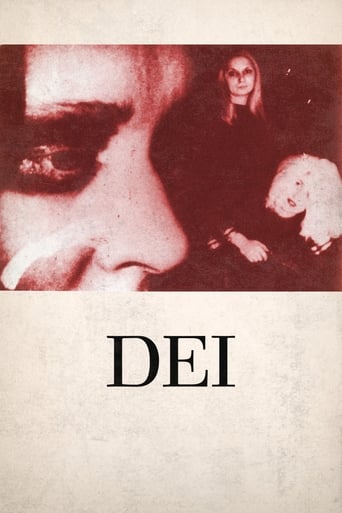
The construction of the film is very simple. Most of the time we see faces in close-up. Three pairs of faces, usually, on three different levels of superimpositions. At first, the faces are very theatrical, made-up. It's not clear whether they are men or women. They move only slightly. They are, indeed, godlike. As the film progresses, very unnoticeably, these faces begin to gain more life and masculine and feminine qualities. At the end of the film, after three hours, the faces are very real, and very human, and sexes and ages are very clearly defined: men, women, children.
 Ricercar · 2019
Ricercar
★ 7.02019
Movie
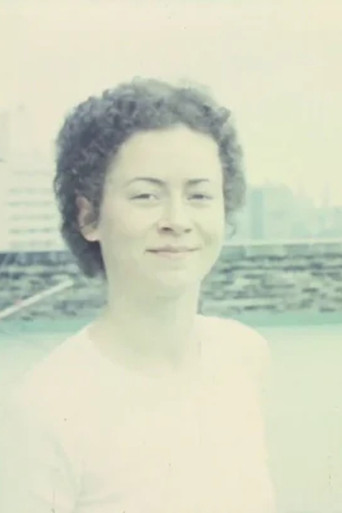
German dancer Angela Kirsten rehearses and dances (from memory) Balanchine's choreography of "Ricercar" by Bach-Webern, in New York 1973 where Massimo Bacigalupo met her before she would become his wife and mother of his two children.
 Warming Up · 1973
Warming Up
★ 6.01973
Movie
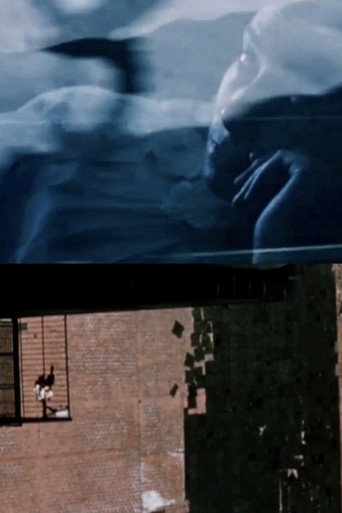
Shot between Italy and New York City, Warming Up is the journal of a season of creativity. The film-maker and his characters improvise scenes and sequences, and wonder how to make up a story as they go along. The recurring theme is how to make the world (or read it as) an imaginative place...
 Her · 1968
Her
★ 6.01968
MovieDocumentary
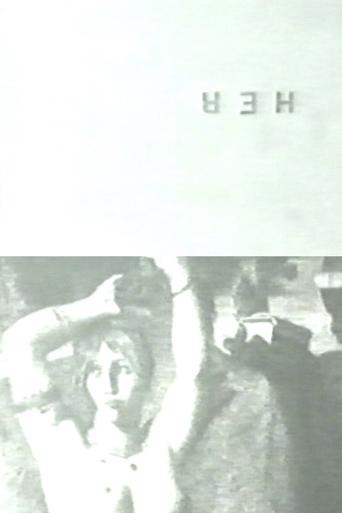
"Her was shot as my contribution to a collective film of the Italian Film-makers' Cooperative, "Tutto, tutto nello stesso istante", which started out as a Dadaist protest against police brutality. I used a "Newsweek" cutting about the Chicago Convention riots, about a woman being beaten up, and isolated in every line a symbolic word, which returns in the second part with an extension of its original meaning. I remember showing it with an 8mm projector at the USIS Rome Library in winter 1970 as part of a concert of American music." Massimo Bacigalupo
 Canto infinito · 2025
Canto infinito
★ 5.02025
MovieDocumentary
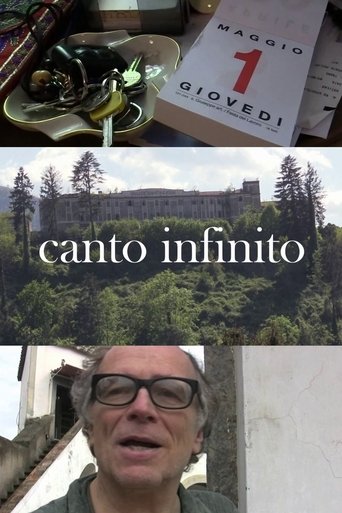
Tonino De Bernardi and Massimo Bacigalupo met in the second half of the 60s and since then they have always remained friends, the two of them and their families. Massimo appears in several of Tonino's films and Tonino is in some of Massimo's films, an uninterrupted relationship, theirs, which has been a source of comparison and sharing for both.
 Postcard from America · 1975
Postcard from America
★ 5.01975
MovieDocumentary
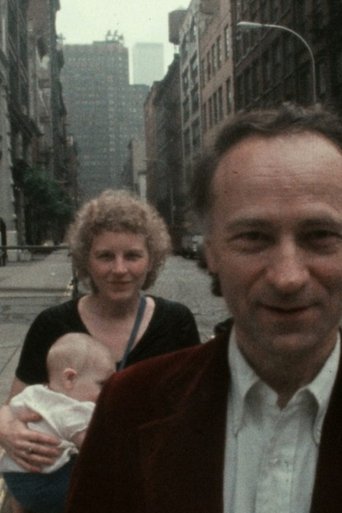
After the author’s period of experimentation, these American notes are extremely straightforward. As in Migration, however, this America could be a more remote country, and the inspiration is avowedly Japanese (Basho’s Narrow Road to the Deep North). Implicitly, the film-maker compares himself to an old peddler of drawings, Sam, hawking his wares at the entrance of Columbia’s Butler Library.
 Tonino e le galline · 2010
Tonino e le galline
★ 5.02010
MovieDocumentary
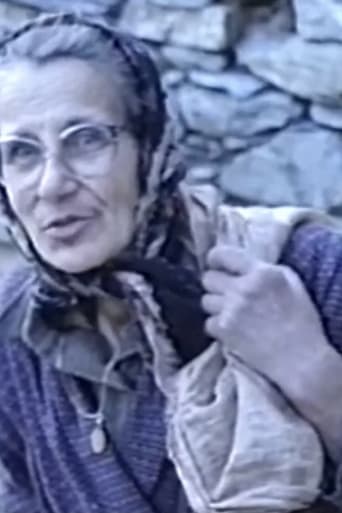
Italian film-maker Tonino De Bernardi meets in rural Liguria an old countrywoman, Agnese, and her chickens.
 Into the House · 2010
Into the House
★ 5.02010
MovieDocumentary
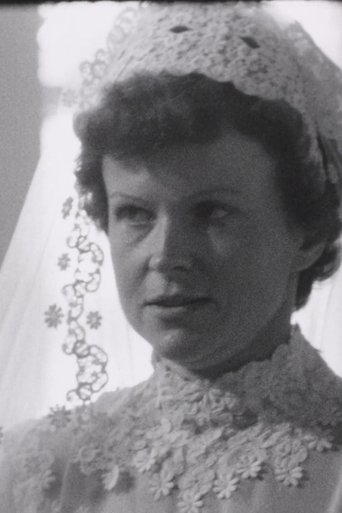
A close and affectionate look at an Italian-American family engaged in a wedding party, accompanied by a voice-over of childhood reminiscences in the same location, the industrial region of Pittsburgh (Pennsylvania), by one of the older participants.
 Migration · 1970
Migration
★ 4.01970
Movie
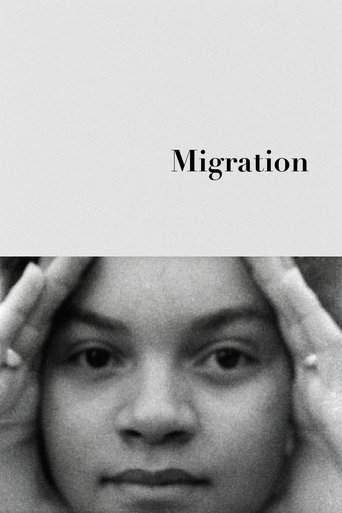
A series of migrants who at times narrate and impersonate shards of myths, among them the Great Goddess, the Virgin of Bach’s Magnificat, the Sulamite of Stockhausen’s Song of Solomon (“I am black but comely”), tales by Herodotus, Kafka, Villon (as set to music by Ezra Pound).
Third part of the Flower of Eryngium cycle.
 Ezra Pound in Venice · 2010
Ezra Pound in Venice
★ 4.02010
Movie
A previously unreleased film that documents the relationship between Bacigalupo and the American poet who introduced him to the underground scene. “Filmed in Venice during the production of a documentary by Bayerischer Rundfunk, in which I participated as a consultant.” - M. Bacigalupo
 Frammento Catanese · 2010
Frammento Catanese
2010
Movie
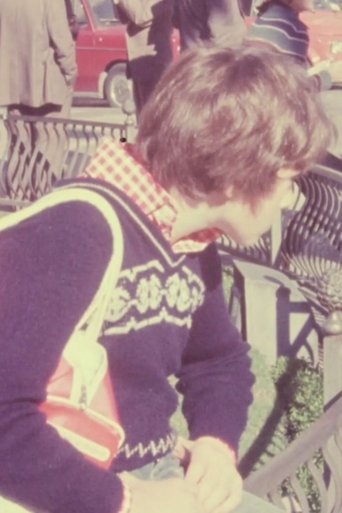
On November 26, 1976, Massimo Bacigalupo was in Catania with his 16mm camera, filming the streets of the city at the foot of Mount Etna and the people lingering and strolling about. The movement and the pauses in everyday life —seemingly boring and not particularly appealing— captured the filmmaker’s attention. Bacigalupo recalls those diary-style film shots, edited years later into a film:
 Tutto, tutto nello stesso istante · 1969
Tutto, tutto nello stesso istante
1969
MovieDocumentary
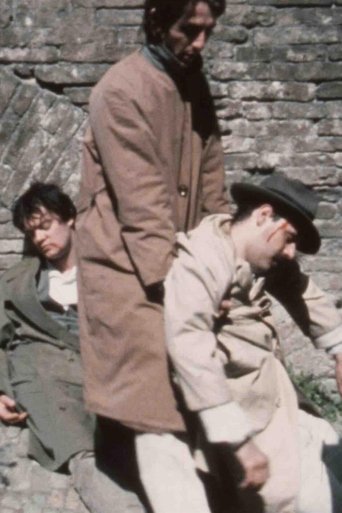
Collective manifesto by the members of C.C.I. It is a collective film, the result of an operation devoid of any aesthetic purpose: to verify the existence of any harmony between a fairly large group (twelve people) of members of the independent Cooperative. Someone, who had the idea, turned 60 meters of Ektachrome according to the moods –or discontent – of the moment and gave them to others to see. The others reacted, each with their own piece. It was then thought to call the film “circular letter”. It was not so simple and so quick: the operation, which started in June of ’68, ended in March of ’69.
 Ariel loquitur · 1967
Ariel loquitur
1967
Movie
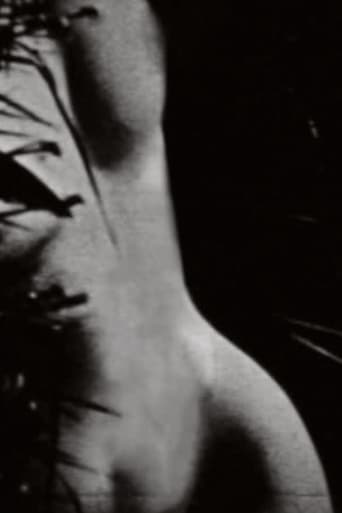
Material shot between 1961 and 1967 ,including bad takes for Quasi una tangente, is reorganized following the five acts of Shakespeare's The Tempest. Thus Ariel loquitur ("Ariel speaks") has five numbered sections, and a Prospero-like figure of old philosopher appears repeatedly. The wedding ceremony of Miranda and Ferdinand in Act IV of the play is performed in section IV, an unedited night-film in which one catches glimpses of a match being lit. The last section introduces color and sound, the latter through the Beatles' A Day in the Life (from Sgt.Pepper’s Lonely Hearts Club Band).
 Erinnerung An Die Zukunft · 1970
Erinnerung An Die Zukunft
1970
Movie
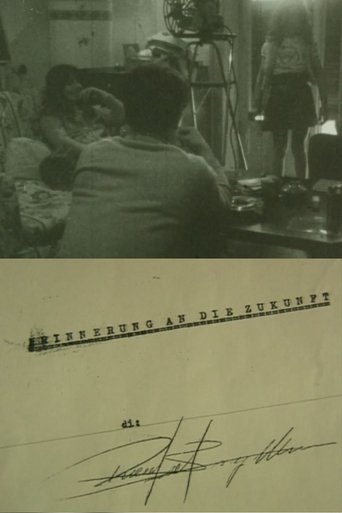
Unfinished feature film by Piero Bargellini.
 Versus · 1968
Versus
1968
Movie
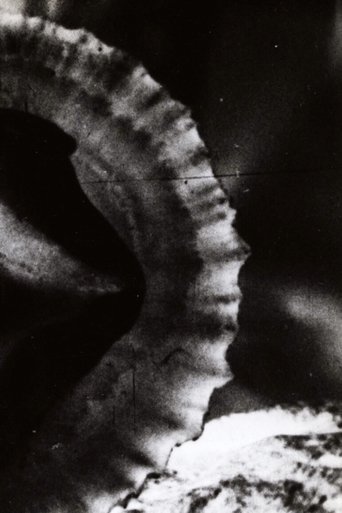
The film seeks to question how a certain image is perceived. The point of departure is a photograph of a street in Palestine. Later the camera moves to show that the photo includes (in a rear mirror) the image of the photographer with a camera. Finally, the image is reversed as in a mirror. The film is constituted of four unedited rolls of 100-feet 16mm reels, one of which was previously exposed in an 8mm camera.
 A Patrizia: l’irrealtà ideale, l’oggetto d’amore · 1970
A Patrizia: l’irrealtà ideale, l’oggetto d’amore
1970
MovieDocumentary
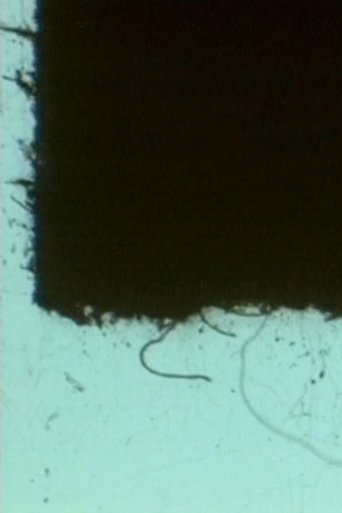
A silent film starring poetess Patrizia Vicinelli, shot in Turin and Morocco between 1968 and 1970. “We set out and traveled far because Patrizia had called us. The film bears witness to what we saw there and what we found upon returning home—the two things ideally united. In addition, it contains my personal inventory of love and visions, as well as the search for love, navigating between reality and unreality along the ideal thread and the obsession of the mind.”
More Like This
Couldn't load this row right now.