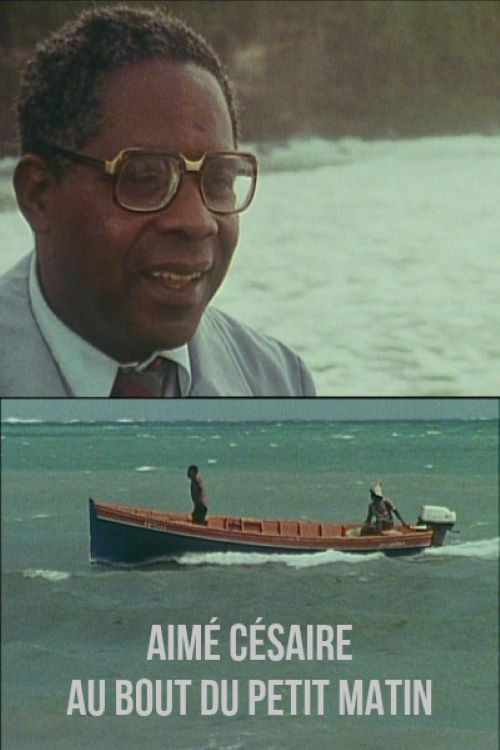
Aimé Césaire at the End of Daybreak
1977 · 57 min · Documentary
Documentary on the négritude movement through one of its founders, Aimé Césaire.
Directed by Sarah Maldoror
Your Rating
Cast
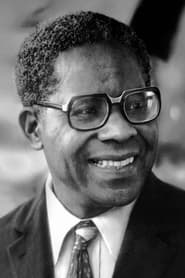 Aimé Césaire
 Make it a double feature
1h 49m together
Both from Sarah Maldoror.
More from Sarah MaldororSee all →
 Mário · 2024
Mário
★ 10.02024
MovieDocumentary
Are even the best and brightest revolutionary movements doomed to inevitable compromise, betrayal and failure? That question haunts this documentary, a biography of Angolan-born Mário Pinto de Andrade (1928–1990), a key figure in African revolutionary and anti-colonial struggles.
 Papa Césaire · 2009
Papa Césaire
★ 10.02009
MovieDocumentary
Shortly after his death in 2008, Maldoror made this film about her longtime friend and collaborator, the Négritude poet Aimé Césaire. In this film, she retraces the steps of Césaire’s travels across the globe — particularly back to his hometown in Martinique, where Maldoror interviews his relatives about his life — and her working relationship with Césaire, including fragments of her previous films about him, Un homme, une terre (1976) and Le masque des mots (1987).
 Aimé Césaire, Un homme une terre · 1976
Aimé Césaire, Un homme une terre
★ 10.01976
MovieDocumentary
Alternating interview segments, shots of Martinique landscapes and scenes from Aimé Césaire's play La Tragédie du roi Christophe (1963), Sarah Maldoror portrays her friend as a politician, a poet, and a founder of the Négritude movement.
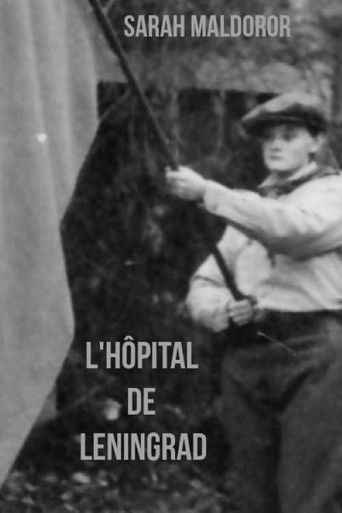 The Hospital of Leningrad · 1983
The Hospital of Leningrad
★ 9.01983
MovieDrama
A story of political imprisonment set in a mental hospital where the Stalin state police placed whoever their opponents were.
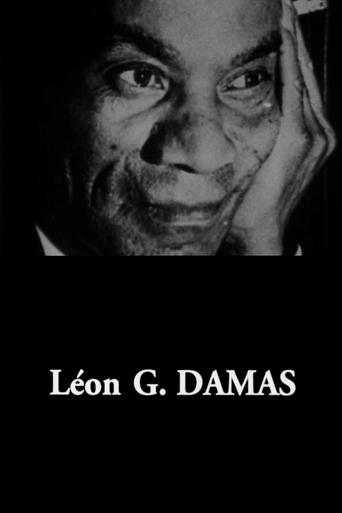 Léon G. Damas · 1995
Léon G. Damas
★ 9.01995
MovieDocumentary
Léon G. Damas (1912–1978) was the first poet to “live Négritude”, according to the Senegalese poet, politician and cultural theorist Léopold Sédar Senghor. Cosmopolitan and always in transit, his writing is a chorus of melodies and imagery imbued with angst and melancholy and strongly influenced by jazz and blues. Punctuated by images of the landscapes of French Guiana and the voice of the artist, the film exemplifies the poetic documentary form to which Maldoror frequently returned.
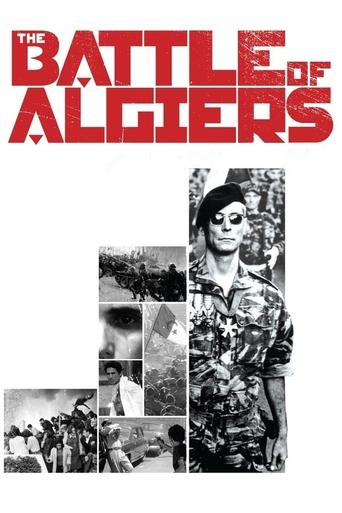 The Battle of Algiers · 1966
The Battle of Algiers
★ 7.91966
MovieDramaWar
Former petty criminal Ali la Pointe becomes a commander of the Algerian Front de Liberation Nationale, directing a guerilla insurgency against the colonial French occupation. Paratrooper commander Colonel Phillippe Mathieu, a veteran of World War II and the First Indochina War, is sent to Algeria to reinforce efforts to squelch the uprisings.
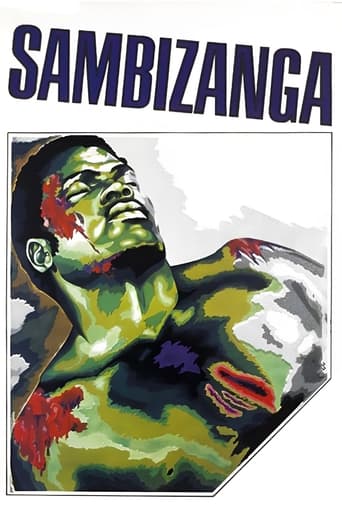 Sambizanga · 1973
Sambizanga
★ 7.21973
MovieDrama
Domingos is a member of an African liberation movement, arrested by the Portuguese secret police, after bloody events in Angola. His wife goes from a prison station to another, trying in vain to find out where he is.
 Monangambeee · 1968
Monangambeee
★ 6.81968
MovieDrama
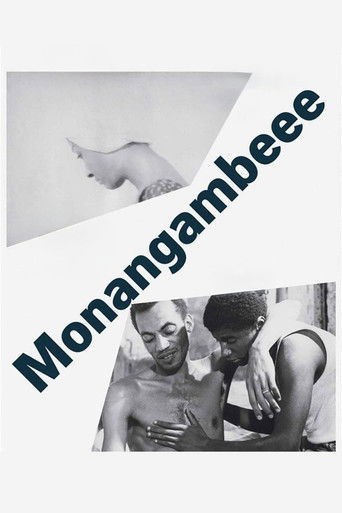
Filmmaker-griot coming from the theater, it was with a camera, while the war in Vietnam occupied everyone's minds, that Sarah Maldoror gave visibility to the African wars of decolonization: Angola, Guinea Bissau, French Guinea, Cape Verde... Her short film Monangambée addresses the torture by the Portuguese army of a sympathizer of the Angolan resistance. At the end of editing, Sarah Maldoror approached the members of the Art Ensemble of Chicago during a Parisian concert and offered to add sound to her film. The next day they watched the film, were convinced and recorded their first soundtrack for free as evidence of African-American solidarity. Shot in Algiers, Monangambée is a film about torture and, more broadly, about the incomprehension between the colonized and the colonizers. It is based on a novel by the Angolan writer Luandino Vieira, then imprisoned by the Portuguese colonial power.
 And the Dogs Were Silent · 1976
And the Dogs Were Silent
★ 6.51976
MovieDocumentaryDrama
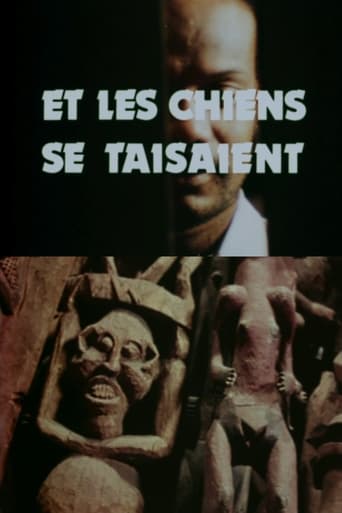
For 'Et les chiens se taisaient' Maldoror adapted a piece of theatre by the poet and politician Aimé Césaire (1913–2008), about a rebel who becomes profoundly aware of his otherness when condemned to death. His existential dialogue with his mother reverberates around the African sculptures on display at the Musée de l'Homme, a Parisian museum full of colonial plunder whose director was the Surrealist anthropologist Michel Leiris.
 The Pan-African Festival in Algiers · 1969
The Pan-African Festival in Algiers
★ 6.01969
MovieDocumentaryMusic
Festival panafricain d'Alger is a documentary by William Klein of the music and dance festival held 40 years ago in the streets and in venues all across Algiers. Klein follows the preparations, the rehearsals, the concerts… He blends images of interviews made to writers and advocates of the freedom movements with stock images, thus allowing him to touch on such matters as colonialism, neocolonialism, colonial exploitation, the struggles and battles of the revolutionary movements for Independence.
 Voisins, voisines · 2005
Voisins, voisines
★ 5.32005
MovieComedy
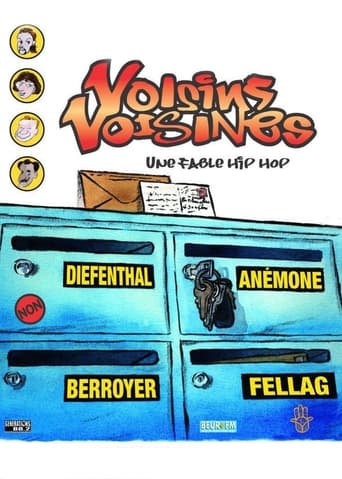
The Mozart Residence is home to several "new owners" of all origins: a new concierge, Paco, of Spanish origin, who has just been released from prison, arrives at the residence. Around it, the hall and the mailboxes, the "ballet" of the Residence Mozart is organized.
In 3 days
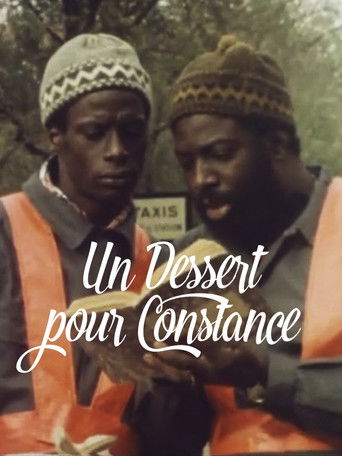
A Dessert for Constance · 2026A Dessert for Constance
2026
MovieTV MovieComedy
Bokolo and Mamadou, sweepers in the city of Paris, are looking for a way to pay for the return home of one of their sick comrades. When they find an old book of recipes in the trash, they discover a passion for French cuisine and decide to participate in a televised cooking competition.
 Aimé Césaire: The Mask of Words · 1987
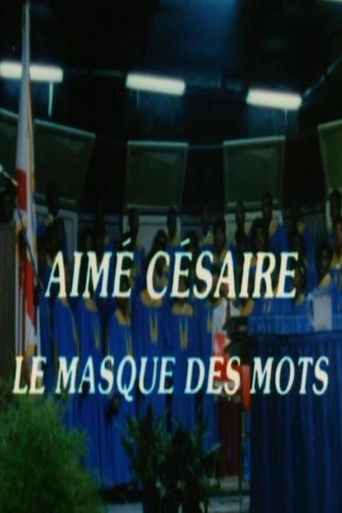
Aimé Césaire: The Mask of Words
1987
MovieDocumentary
Aimé Césaire - Le Masque des mots is a portrait of the Martinican writer who calls himself a rebellious negro and for whom the poetic act represents an act of freedom.
 Memory's Gaze · 2003
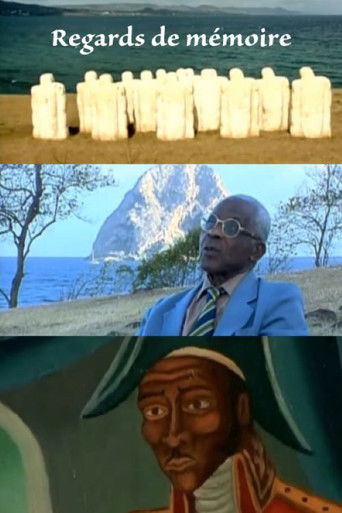
Memory's Gaze
2003
MovieDocumentary
The filmmaker Sarah Maldoror films the writer Édouard Glissant at the Fort de Joux (in the Jura), in the cell where the Haitian general Toussaint Louverture was held prisoner until his death in 1803. She then talks to Aimé Césaire at Le Diamant in Martinique, in front of Laurent Valère's "Cap 110" memorial. The documentary also includes short interviews with Roland Suvélor and Madeleine de Grandmaison, and the reading of texts performed by Greg Germain.
 Claudel in Reims · 1984
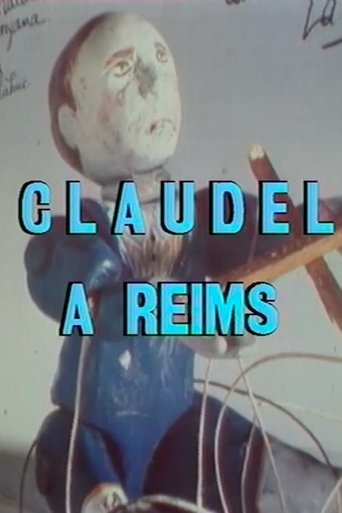
Claudel in Reims
1984
MovieDocumentary
Sarah Maldoror observes a stage production of Paul Claudel’s The Hostage at the Théâtre de la Comédie in Reims.
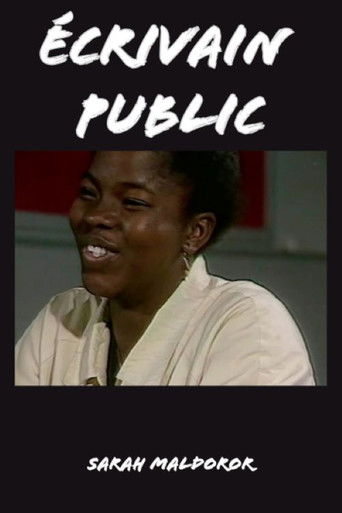 Public Writer · 1985
Public Writer
1985
MovieDocumentary
Sarah Maldoror interviews women of different nationalities who serve as “public” writers, linking French administrative bodies with people who cannot speak or write French.