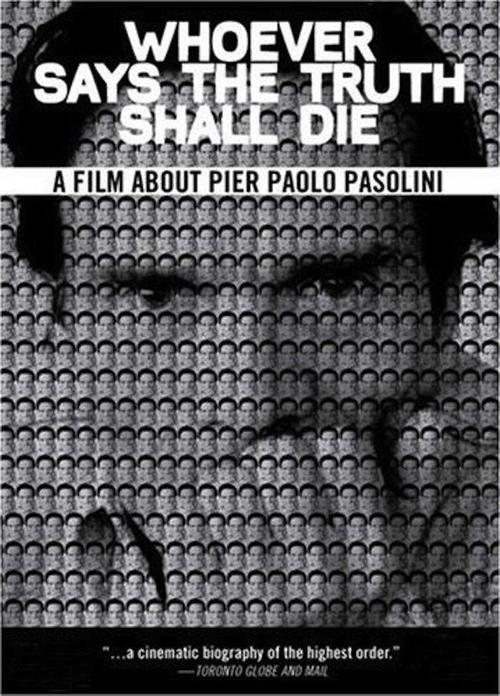
Whoever Says the Truth Shall Die

Whoever Says the Truth Shall Die

A film about Pier Paolo Pasolini

1981 · 60 min · ★ 5.7 · Documentary

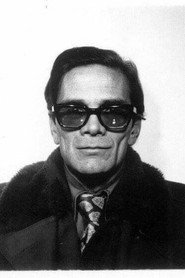
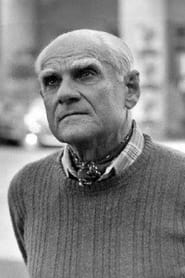
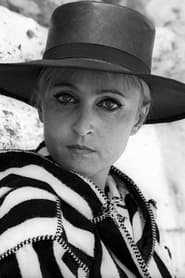
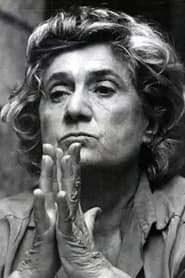
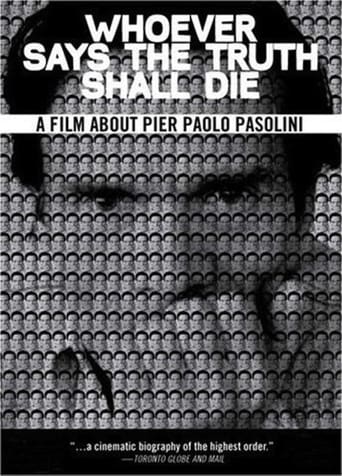
Philo Bregstein tells us this film looks at Pasolini's life and art to explain why he died. The film traces Pasolini's life chronologically - family roots, hiding during World War II, teaching, moving to Rome, being arrested and acquitted many times, publishing poems, getting into film, being provocative, and being murdered. Interviews with Alberto Moravia, Laura Betti, Maria Antonietta Macciocch, and Bernard Bertolucci are inter-cut with readings of Pasolini's poems and with clips from four films - primarily the Gospel According to St. Matthew - to illustrate his changing ideas and points of view. Bregstein makes a case for Pasolini's being lynched.

Directed by Philo Bregstein · Written by Philo Bregstein

Your Rating

Cast

Make it a double feature

1h 1m together

Whoever Says the Truth Shall Die
Workers Leaving the Lumière Factory

A close match in mood and era.
More from Philo BregsteinSee all →

More Like This

Workers Leaving the Lumière FactoryWorkers Leaving the Lumière Factory · 1895
Workers Leaving the Lumière Factory
6.71895
MovieHistoryDocumentary
Working men and women leave through the main gate of the Lumière factory in Lyon, France. Filmed on 22 March 1895, it is often referred to as the first real motion picture ever made, although Louis Le Prince's 1888 Roundhay Garden Scene pre-dated it by seven years. Three separate versions of this film exist, which differ from one another in numerous ways. The first version features a carriage drawn by one horse, while in the second version the carriage is drawn by two horses, and there is no carriage at all in the third version. The clothing style is also different between the three versions, demonstrating the different seasons in which each was filmed. This film was made in the 35 mm format with an aspect ratio of 1.33:1, and at a speed of 16 frames per second. At that rate, the 17 meters of film length provided a duration of 46 seconds, holding a total of 800 frames.
Roundhay Garden SceneRoundhay Garden Scene · 1888
Roundhay Garden Scene
6.51888
MovieDocumentary
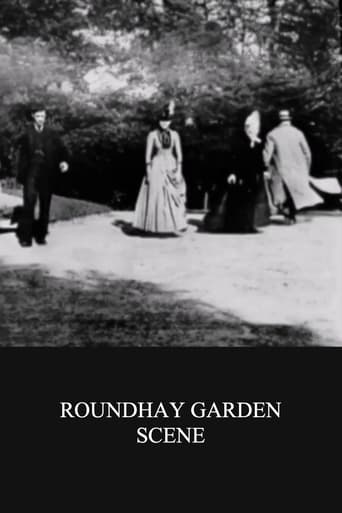
The earliest surviving motion-picture film, and believed to be one of the very first moving images ever created, was shot by Louis Aimé Augustin Le Prince using the LPCCP Type-1 MkII single-lens camera. It was taken on paper-based photographic film in the garden of Oakwood Grange, the Whitley family house in Roundhay, Leeds, West Riding of Yorkshire (UK), on 14 October 1888. The film shows Adolphe Le Prince (Le Prince’s son), Mrs. Sarah Whitley (Le Prince’s mother-in-law), Joseph Whitley, and Miss Harriet Hartley walking around in circles, laughing to themselves, and staying within the area framed by the camera. Roundhay Garden Scene is often associated with a recording speed of around 12 frames per second and runs for about 2 to 3 seconds.

Rate this film

Your ratings make Midnight smarter