Fuel

Fuel

2021 · 16 min

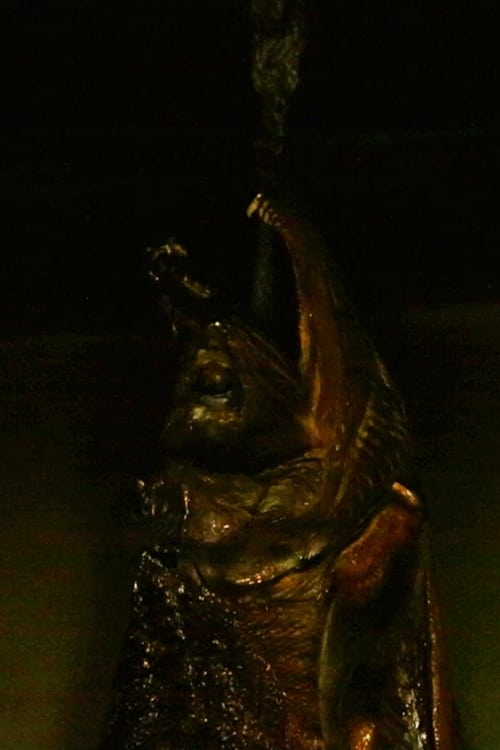
This film about an expert griller working at one of the original and oldest Robata-yaki restaurants in Japan subtly refers to indigenous Ainu culture, as well as envisages the environmental movement in contemporary society

Directed by Araki Yu

Your Rating

More from Araki YuSee all →

tempotempo · 2022
tempo
7.02022
Movie
A quiet, atmospheric portrait of an elderly store owner in the small town of Yagi, Kyoto Prefecture. Yu Araki’s camera carefully observes the curiously named Mr. Yagi’s daily routine and interactions with local customers during the last autumn season for his shop, which is no longer in business. Documenting the passage of time in parallel with processes of depopulation, the title Tempo conjures a double meaning; playing on the Japanese word “tenpo (店舗)” which means “store”.
Mountain Plain MountainMountain Plain Mountain · 2018
Mountain Plain Mountain
2018
MovieDocumentary
Deepening confusion becomes a delightful experience watching this collaborative film by Daniel Jacoby and Araki Yu. The documentary observes the idiosyncratic sounds and rhythms of Ban’ei, a rare kind of draft horse race that takes place only in Obihiro, Japan. Capturing the behind-the-scenes operations of the race, the film gradually twists itself into a knot as the excited voices of the commentators merge into a frenzy of gibberish.
HoneymoonHoneymoon · 2021
Honeymoon
2021
Movie
In a playful critique of Japanisme, the craze for Japanese art and design in Europe in the mid-1800s often rife with misunderstanding and projection, Honeymoon recasts the wedding scene of the opera and film Madame Butterfly.
Bivalvia: Act IBivalvia: Act I · 2017
Bivalvia: Act I
2017
Movie
Songs reverberate between mollusk shells, karaoke lyrics guiding a history of seaborn tragic lovers from different shores. -JAPAN CUTS: Festival of New Japanese Film
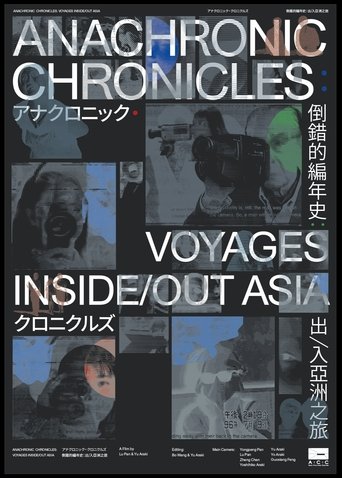
Anachronic Chronicles: Voyages Inside/Out AsiaAnachronic Chronicles: Voyages Inside/Out Asia · 2021
Anachronic Chronicles: Voyages Inside/Out Asia
2021
MovieDocumentary
With the form of remote audio conversation for its main narrative, the essay film consists of four chapters, each of which has its own focus but is also interconnected with each other. Blending voice narratives in four languages, moving images and literary texts, the film is mainly made from home video collections created in the 1990s from both filmmakers’ families, with home videos shot in the 1960s by a Hong Kong family as interludes. The film not only unfolds how East Asian families created their own image with amateur filming devices but also tells stories of migration, travelling, growing and familial relationships.​

More Like This

Couldn't load this row right now.
Rate this film

Your ratings make Midnight smarter