The Biggest Quarrel

The Biggest Quarrel

1999 · 20 min · Animation

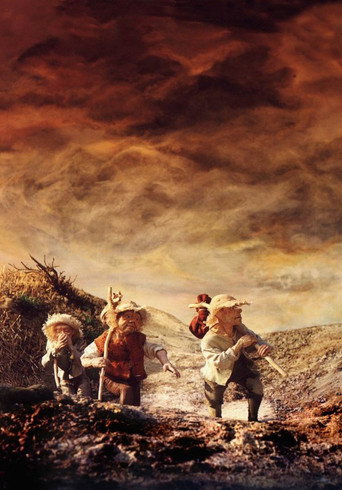
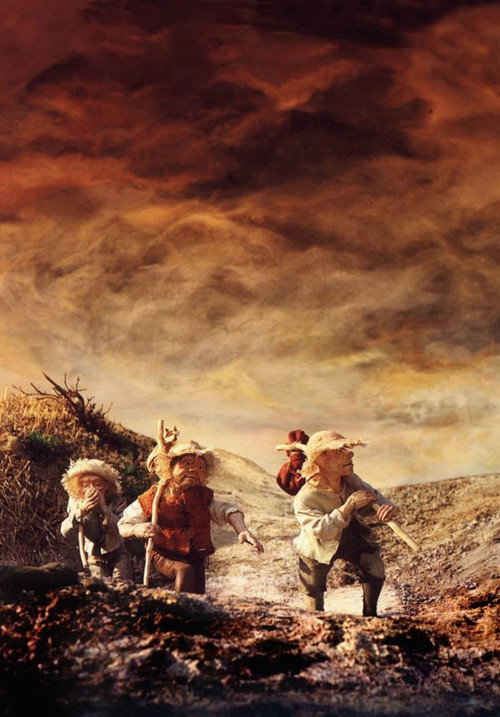
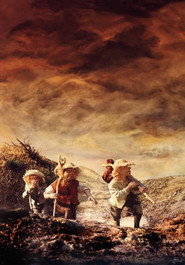
The protagonists of the film are three brothers: Eino, Aho and Laje. The brothers live from the cultivation of the family land. Eino works from dawn to night. Aho likes to spend time playing at a nearby inn. Laje once helps Eino, and once accompanies Aho. Once Aho gets cheated by playing dice and losing his family land. The brothers set off in search of a job. They reach a road fork. Eino wants to go left, Aho to the right, and Laje agrees once with one, once with the other brother. The brothers, unable to convince each other for their reasons, start a great quarrel.

Directed by Zbigniew Kotecki · Written by Jan Zamojski

Your Rating

Cast

Make it a double feature

30m together

The Biggest Quarrel
Dim.

Both from Zbigniew Kotecki.

More from Zbigniew KoteckiSee all →
Dim.Dim. · 1992
Dim.
★ 6.81992
MovieAnimation
"Animating human-size puppets, in D.I.M. Skrobecki explores the relationship of a couple secluded in an apartment. Their meaningless life has a single justification and tenderness: they feed a little bird that comes from time to time to the windowsill." -Giannalberto Bendazzi: "Animation: A World History: Volume III: Contemporary Times"
The EventThe Event · 1988
The Event
★ 5.71988
MovieAnimation
The villagers one day are surprised by a strange phenomenon - a high embankment begins to form all over the area. Like in a mole pit, the shifting earth destroys everything around it. After the "cataclysm", new blocks of flats - all made of concrete slab - rise in place of the destroyed farms. Only the residents, transferred to new conditions, do not change their habits.
MagritteMagritte · 1995
Magritte
1995
MovieAnimation
A film about art. Unusual compositions of images give familiar objects a new look.
Marc ChagallMarc Chagall · 1995
Marc Chagall
1995
MovieAnimation
A film from the "Impressions" series, created using classical animation techniques, executed with painting on celluloid. The viewer's guide through selected paintings by Marc Chagall is the figure of the Jew – the Eternal Wanderer, a symbol of the artist's feelings and experiences. Through the composition of selected paintings or their fragments, the film evokes the artist's life experiences and his self-definition of the world. The nostalgic atmosphere of longing for his native Vitebsk, the realities of his stay in Paris, his return to Russia, and the experiences of the revolution, "inscribed" in the poetics of Chagall's paintings, create a unique atmosphere within the film narrative, created by the artist's imagination.
KatarKatar · 1984
Katar
1984
MovieMusicAnimation
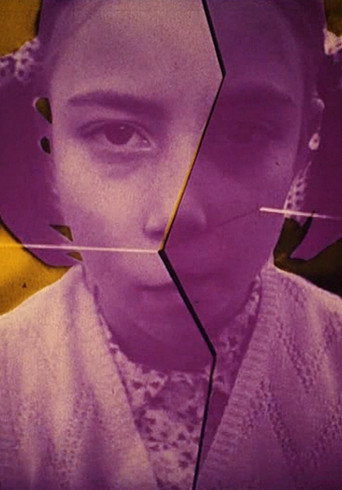
A little girl's cold spreads all over town in this short pop-art styled animation.
Divertimento in D major KV 136. PrestoDivertimento in D major KV 136. Presto · 1991
Divertimento in D major KV 136. Presto
1991
MovieAnimationMusic
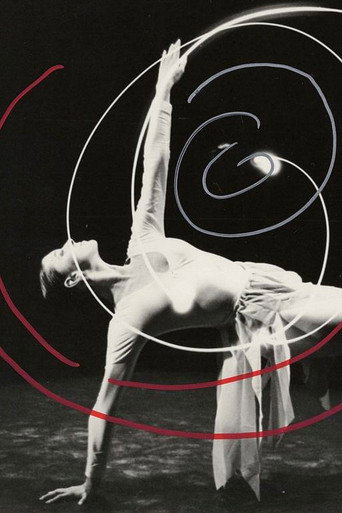
A film miniature for classical music inspired by the music of Wolfgang Amadeus Mozart. The form of a luminous line following the rhythm and tempo of the music creates musical instruments suspended in space. The line runs through a city lit up by neon lights, tracing surreal, abstract shapes, only to transform them into dancing silhouettes a moment later. The sounds of the music change the intensity of the light from white and black to a full range of colors vibrating to the rhythm of the music.
Twelve MonthsTwelve Months · 2004
Twelve Months
2004
MovieAnimation
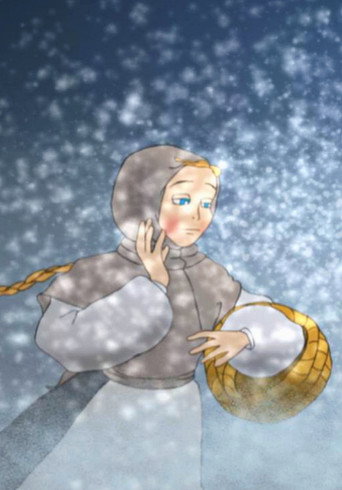
Zuzia lives with her Stepmother and her daughter Rózia. She works hard from dawn to dusk. However, the Stepmother decides to get rid of her and sends Zuzia into the forest in the winter to gather violets and strawberries. In a clearing in the forest, Zuzia meets the Twelve Months. December grants her request, and to the Stepmother's surprise, Zuzia returns home with violets and strawberries. The Stepmother sends Zuzia to gather gold. When Zuzia brings gold, she decides that next time Rózia will go to the Brothers of the Months and bring back even more gold. Rózia insults Grudzień and his brothers. The Stepmother and her daughters' greed are punished. Grudzień's brushwood turns into snakes. The Stepmother and Rózia flee, and Zuzia begins to manage her father's cottage alone. Based on the fairy tale by Janina Porazińska entitled 'About the Twelve Months'.
About Children's ToysAbout Children's Toys · 1999
About Children's Toys
1999
MovieAnimation
In the kingdom of Lailonia lives the merchant Pigu along with his daughter Memi. Pigu toils to sell pheasant-eating fork protectors to the people of Babylonia, and brings combs for combing camels, which the people of Lailonia immediately snatch up by paying salty prices for them. The merchant Pigu is prosperous. and since a favorite pastime in his country is pecking at globes, Pigu brings his daughter Memi a new globe from each trip.
A Great WorryA Great Worry · 2023
A Great Worry
2023
MovieAnimationFantasy
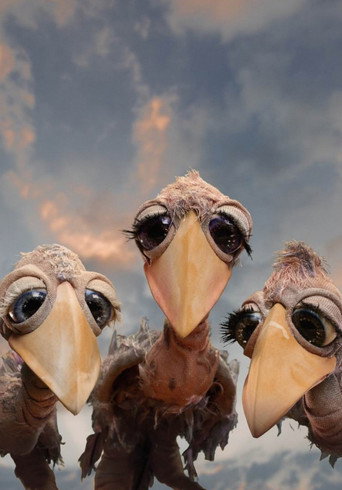
An animated film for children and family audiences based on a simple, wise, and yet funny story by the outstanding Polish philosopher Leszek Kołakowski entitled " Who would like to cheer up an unlucky rhinoceros? ". In his tree nest in the savannah, a wise old Marabou stork tries to calm the young birds as they take their first flight. He decides to tell them why the Rhinoceros sitting under the tree is crying and has a compress on his bottom. It turns out that the Rhinoceros is very worried because he desperately wants to fly, but he can't and is ashamed to admit it. A certain ubiquitous Sparrow decides to teach him how to fly...
Sonata No. 5 in C majorSonata No. 5 in C major · 1992
Sonata No. 5 in C major
1992
MovieAnimationMusic
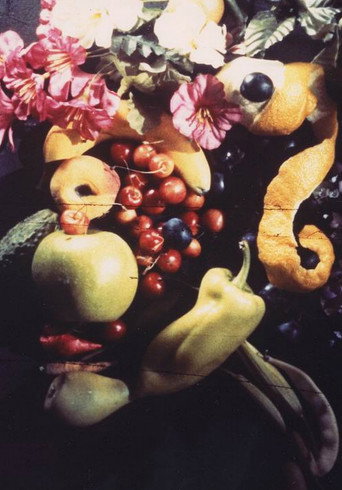
A film impression set to the music of Wolfgang Amadeus Mozart, realized using puppet animation techniques, with the visual layer inspired by the paintings of Giuseppe Arcimboldo.
The Flight of the BumblebeeThe Flight of the Bumblebee · 1993
The Flight of the Bumblebee
1993
MovieAnimationMusic
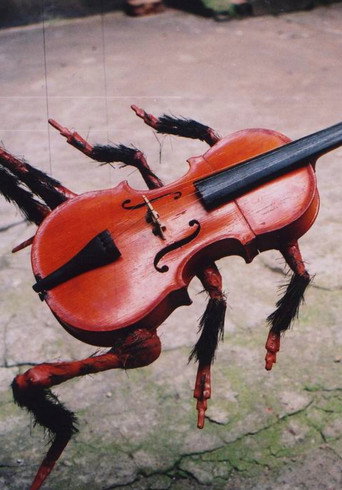
A film to classical music made using the pixilation technique - animation of a live set with a time-lapse camera. Panorama of the city shown to the rhythm of music imitating the rhythm of the flight of a bumblebee. The camera here plays the role of eyes - it is from the point of view of the flight of the insect that the world is shown. The image of the roofs of houses is coming closer or moving away. A chimney sweep standing on the roof abruptly dodges something flying at him...
Fatamorgana 2Fatamorgana 2 · 1983
Fatamorgana 2
1983
MovieAnimation
In the second part of the film, the optics of the story changes. The block, which emerged from the lake at sunrise, stops wandering, stopping in the water, and its inhabitants indulge in summer relaxation. In the evening - at sunset - they will return, walking on water, to their apartments, and the building will again be immersed in the lake. And all to the rhythm of Zygmunt Konieczny's music, in the first part - more marching, in the second - elegiac.

More Like This

Couldn't load this row right now.
Rate this film

Your ratings make Midnight smarter