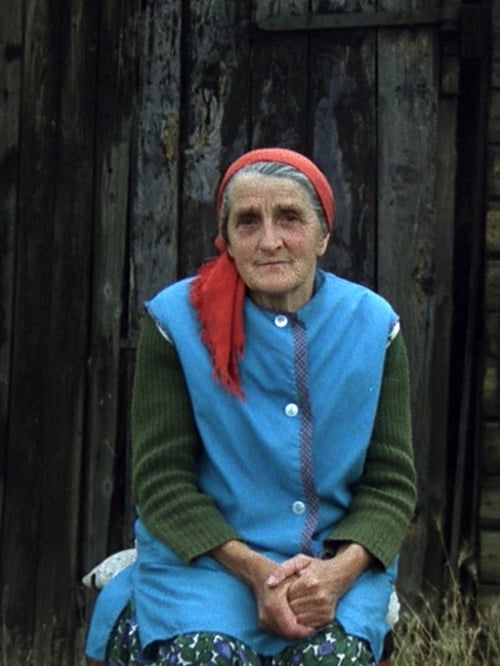
Wolters Trude

Wolters Trude

1978 · 30 min · Documentary

A portrait of a 74-year-old woman who lives in modest circumstances in a village in Brandenburg and tells her story on camera: born in 1904 in Rastenburg (East Prussia), Wolters Trude moves to Berlin at an early age with her parents and five siblings. At the age of nine, after the death of her mother, she was placed in an orphanage. In 1918, at the age of 14, she was placed with a family, working in their restaurant. She married in 1929; her husband turned out to be an alcoholic; she had eight children, six of whom survived, and whom she raised practically on her own.

Directed by Gabriele Denecke · Written by Gabriele Denecke

Your Rating

More from Gabriele DeneckeSee all →
Schlaflose TageSchlaflose Tage · 1991
Schlaflose Tage
10.01991
MovieDrama
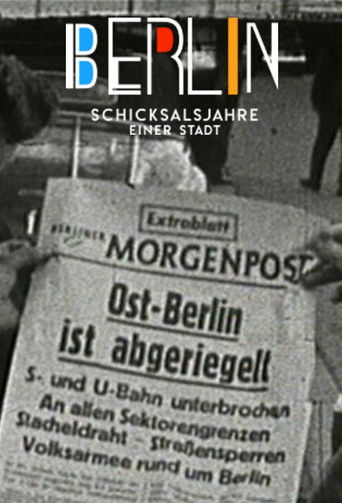
Berlin - Schicksalsjahre einer StadtBerlin - Schicksalsjahre einer Stadt · 2018
Berlin - Schicksalsjahre einer Stadt
9.02018
SeriesDocumentary
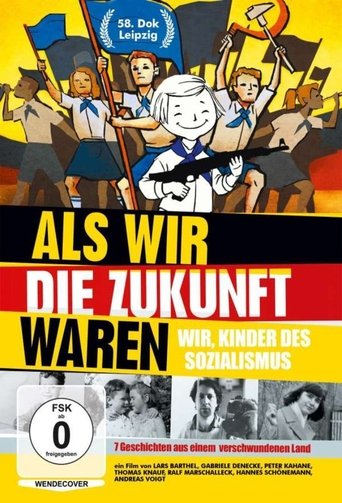
Als wir die Zukunft warenAls wir die Zukunft waren · 2016
Als wir die Zukunft waren
6.02016
MovieDocumentary
Seven directors remember their childhood and youth; to the 50s and 60s in the GDR. They appear to be curious, vulnerable children and teenagers who also want to be cool (even though the word doesn't exist for them yet). They live in well-adjusted or resistant families. Some only in half because their father left for the West. Depending on their family background, they want or should help build the new, better Germany.
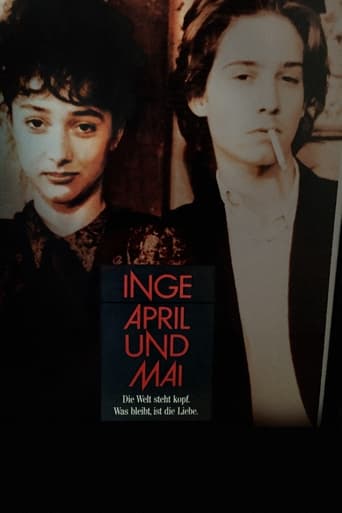
Inge, April und MaiInge, April und Mai · 1993
Inge, April und Mai
4.71993
MovieDrama
While everything is in ruins in Berlin in the spring of 1945, the British bombers are flying overhead and the Red Army is not far away, 15-year-old Kalle is not particularly interested in doom or final victory - because he has kissed Inge Kaliska and he knows that he loves her. At this moment in world history, nothing carries as much weight as this first love.
Liebe und ZornLiebe und Zorn · 2024
Liebe und Zorn
2024
MovieDocumentary
Six directors, one film: in episodes, they recall their experiences at the end of the GDR and the fate of a family under National Socialism. They talk about making films despite censorship, about the search for opportunities. They tell of losses, of leaving, of staying and of love in exile. A film about the longing for home and the endurance of friendships.

More Like This

Couldn't load this row right now.
Rate this film

Your ratings make Midnight smarter