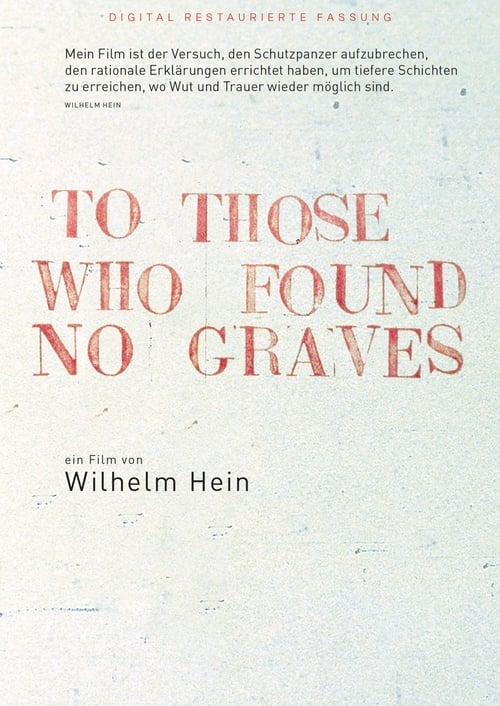
To Those Who Found No Graves
1994 · 90 min · Documentary
Documentary film by Wilhelm Hein.
Directed by Wilhelm Hein
Your Rating
More from Wilhelm HeinSee all →
 Rohfilm · 1968
Rohfilm
★ 5.91968
MovieDrama
One of the most important structural films of the period, Rohfilm demonstrates a radical anti-representational approach, destroying the figurative image and bringing attention back to the ‘raw’ photographic material, particularly its physical form. Resisting a stable reference point, the film is a multi-layered onslaught of blurred impressions, shifting surfaces and grating sounds that activates a form of sensuous viewing. In the making of the film, the Heins employed just about every technique of defamiliarization, including direct intervention on the surface of the film strip, rephotography, remediation, and different kinds of mechanical interruption and destruction. It is a striking example of a truly handmade approach. (Kim Knowles)
 Portraits · 1970
Portraits
★ 5.01970
Movie
The series of portrait films that the Heins made between 1970-73 attest to their deepening interest in the movement generated solely through cinematic processes of reproduction. [...] Portraits (1970) is a collection of three of these films, Manson, Biggs, and Wilhelm Hein, that each underwent distinct processes of development so as to highlight different perceptual and aesthetic effects.
 An Approximation of their Barbarous Manners · 2021
An Approximation of their Barbarous Manners
★ 4.02021
MovieDrama
Tangier, Morocco. December 2019 87-year-old American character actor Bruce Glover (Chinatown) goes missing from a film set on the first day of shooting.
 Kali-Filme · 1988
Kali-Filme
1988
Movie
The KALI-FILME are a compilation of 8 single short found footage films, which were composed of Hollywood war-, horror- and women in prison B-pictures, historical war documentaries and porno films. In the trivial films we find images of our own subconscious instincts, which are tabu in the official high culture. KALI is a mother goddess of the Hindu mythology. She is the birth giving mother and at the same time the killing and castrating woman. Since primeval times men do fear her power.
 Materialfilme · 1976
Materialfilme
1976
MovieAnimation
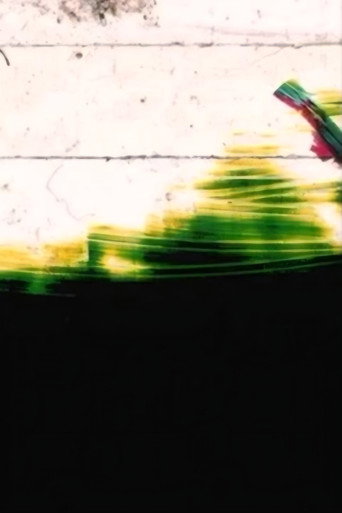
For their 35mm Materialfilme (1976), the Heins randomly spliced together a mix of colour and black and white material taken from the header and footer of commercial films. The scratches, scribbles, hand-written and commercially printed numbers and dots that adorn such footage rush past the eye until they are replaced by images consisting only of washed-out colours or scratched black and white frames.
 Materialfilme II · 1976
Materialfilme II
1976
Movie
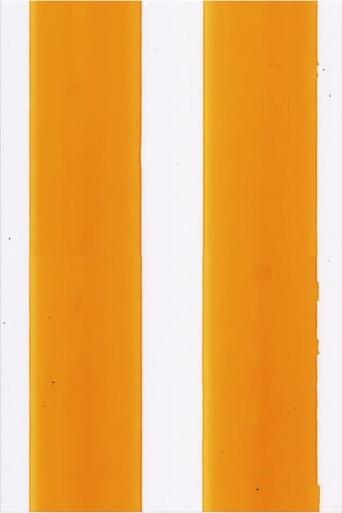
Using minimal means, Materialfilme is conversely one of the absolutely maximal experiences possible in cinema. It's a masterpiece revealing film as a toxic material, an industrial material—a material that corrodes, that wears, that fractures and most of all, a material that can be purposefully manipulated. Extraordinarily active as a filmmaker, film collector and catalyst since the 1960s, Wilhelm Hein is one of film's true individualists; still absolutely dedicated to the moving image as a means of provocation, subversion and documentation of the most intimate type.
 Home Movies 1971-81 · 1985
Home Movies 1971-81
1985
MovieDocumentary
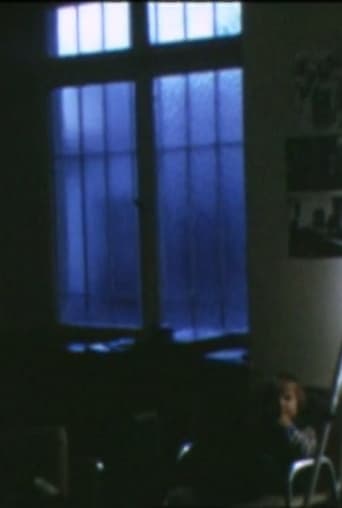
Home movies shot on Super 8mm by W+B Hein over 10 years.
 625 · 1969
625
1969
Movie
‘625' operates with changing blurs of TV screen rasters, filmed off the TV set and negatively reproduced, and made up of 625 lines. The sound is derived from the light levels of the individual picture elements via a photoresistor.
 Reproductions · 1968
Reproductions
1968
Movie
Reproductions, for instance, completed in relative speed after the lengthy process of making Rohfilm, explores the aesthetic and perceptual effects of the reproduction of just a single type of image: strips of black and white slide positives from the Heins' vacations in North Africa, Italy, and greece in the early 1960s. To make the film, the Heins cut these numerous small images into little strips which they manipulated by hand on a Movieola viewing machine. While one of them maneuvered the strips (inserted them into the machine and moved them in different directions), the other filmed the projected image as it appeared on the machine's small screen. They described the effect of this process as follows: "While filming the many different little strips (hundreds of them) a rhythm is gradually established: quick and slow changes, pauses, a stronger movement of the pieces and a slow insertion, their sudden appearance.
More Like This
Couldn't load this row right now.
