Four Sided Tape
1976 · 3 min
Here, Peter Campus explores video, not as a demonstration of special effects, but as a way of placing his own body in the presence of an immediate double.
Directed by Peter Campus
Your Rating
Make it a double feature
8m together
Both from Peter Campus.
More from Peter CampusSee all →
 Three Transitions · 1973
Three Transitions
★ 8.01973
MovieDocumentary
"The tape is one of the seminal works in video. In three short exercises, Campus uses basic techniques of video technology and his own image to create succinct, almost philosophical metaphors for the psychology of the self. In these concise performances, he employs video's inherent properties as a metaphorical vehicle for articulating transformations of internal and external selves, illusion and reality."
 Casual Relations · 1974
Casual Relations
★ 6.01974
MovieDrama
In Rappaport’s dazzling and bizarre feature-length debut, he focuses on states of imaginative possession and dispossession, demonstrating how impossible it is to separate fantasies, dreams, and realities.
 Wind · 1968
Wind
1968
Movie
Cutting between snowy fields and a raw seashore, Jonas focuses on a group of performers moving through a stark, windswept landscape. The 16mm film — silent, black and white, jerky and sped-up — evokes early cinema, while its content locates it in the spare minimalism of the late 1960s.
 Double Vision · 1971
Double Vision
1971
Movie
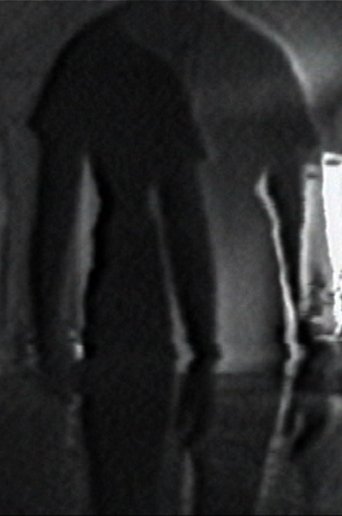
Campus investigates the metaphoric overlap between properties of the video camera and processes of human perception, an area of great interest to many early videomakers. Double Vision inventories strategies for comparing simultaneous images of a loft space produced by two video cameras whose signals are fed through a mixer, thus producing an electronic version of what in film would be called a "double exposure."
 Death Threat · 2000
Death Threat
2000
Movie
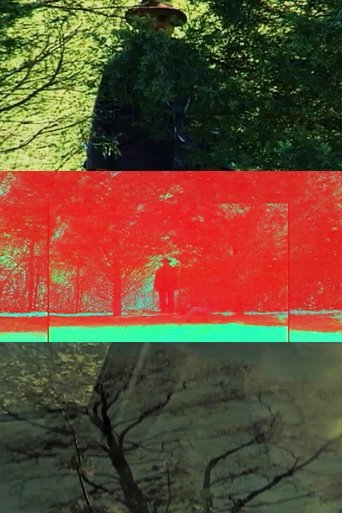
In 2000 [Campus] went through several months of radiation treatment after being diagnosed with cancer. He created a three-part video piece about this harrowing experience called Death Threat, a powerful work about the images behind the images of life. It is his visual death poem, but thankfully, without the death. -Bill Viola
 Third Tape · 1976
Third Tape
1976
Movie
A jumble of mirrored tiles is slowly placed on a table-top, the random heap reflecting a fragmentary portrait of the face of the person performing the act, one that is continually in flux.
 shinnecock bay: locks eddy · 2019
shinnecock bay: locks eddy
2019
Movie
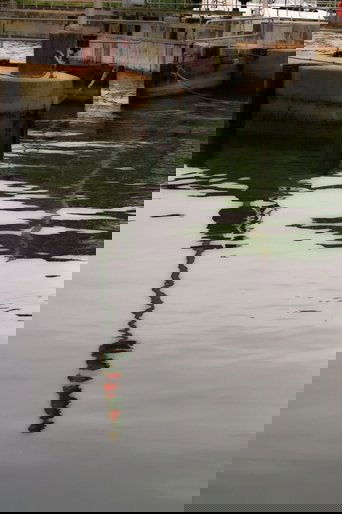
shinnecock bay presents two views of the eponymous body of water on the coast of Long Island. Shot five years apart and on opposite sides of the inlet, the two works—leeward and locks eddy —chart the artist’s continued engagement with the sea, and the increasingly sophisticated video technologies he uses to capture it. The videographs (the artist’s name for this medium) differ in style: leeward is heavily abstracted, while locks eddy has a nearly hyperrealistic degree of definition. In each, campus reveals minute shifts in light and color that would be impossible to register with the naked eye. The result is an exhibition inviting one to meditate on the sublime beauty of the natural landscape, while also noting the gap between what we perceive, what the camera records, and what the artist calls attention to in the video.
 East Ended Tape · 1976
East Ended Tape
1976
Movie
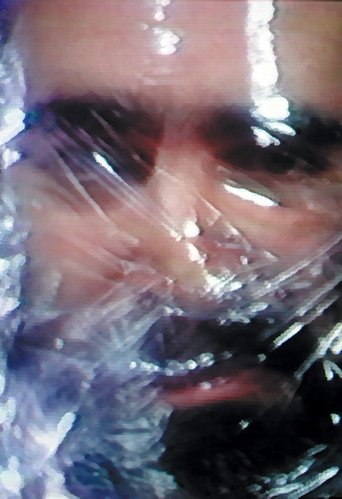
In "East Ended Tape" Peter Campus and Susan Dowling are the subjects of a series of video portraits. The shadow of Dowling's hand passes over her face slowly, obscuring her features. Campus wraps Saran Wrap around his face. Two halves of Dowling's face come together through superimposition as she turns her head around. Campus' face disappears into a cloud of smoke.
 shinnecock bay: leeward · 2019
shinnecock bay: leeward
2019
Movie
shinnecock bay presents two views of the eponymous body of water on the coast of Long Island. Shot five years apart and on opposite sides of the inlet, the two works—leeward and locks eddy —chart the artist’s continued engagement with the sea, and the increasingly sophisticated video technologies he uses to capture it. The videographs (the artist’s name for this medium) differ in style: leeward is heavily abstracted, while locks eddy has a nearly hyperrealistic degree of definition. In each, campus reveals minute shifts in light and color that would be impossible to register with the naked eye. The result is an exhibition inviting one to meditate on the sublime beauty of the natural landscape, while also noting the gap between what we perceive, what the camera records, and what the artist calls attention to in the video.
 Dynamic Field Series · 1971
Dynamic Field Series
1971
Movie
Dynamic Field Series is made up of three elements and four distinct spaces that turn within a closed loop: the artist's body, his electronic double, the ghost of this double and beyond that, the ghost of the viewer.
More Like This
Couldn't load this row right now.
