The Ball Is a Scumbag

The Ball Is a Scumbag

Portrait of an eccentric soccer coach...

2000 · 43 min · ★ 8.5 · Documentary

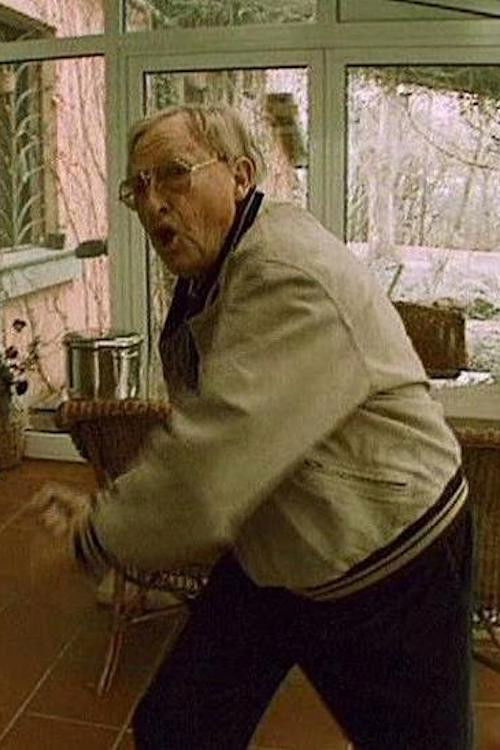
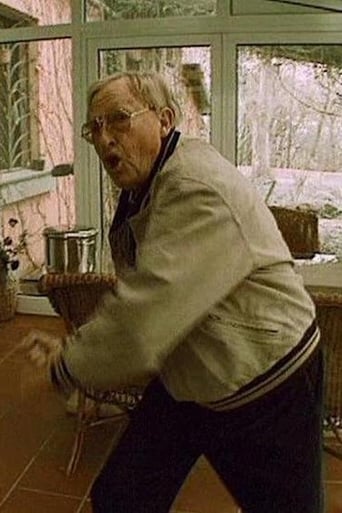
"Sometimes the ball is bewitched," says legendary soccer coach Rudi Gutendorf. He's the one who would know, after having coached 6 first division soccer teams in Germany alone and countless others in 38 countries around the world.

Directed by Christian Weisenborn

Your Rating

Cast

Make it a double feature

2h 16m together
Both from Christian Weisenborn.

More from Christian WeisenbornSee all →

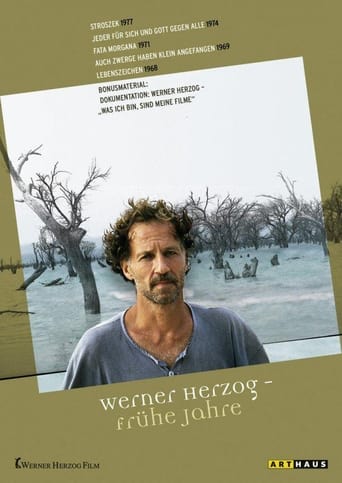
I Am My Films: A Portrait of Werner HerzogI Am My Films: A Portrait of Werner Herzog · 1979
I Am My Films: A Portrait of Werner Herzog
8.01979
MovieDocumentary
Interview film with German director Werner Herzog revisiting the films he made up to ca. 1977.
The Enigma of Kaspar HauserThe Enigma of Kaspar Hauser · 1974
The Enigma of Kaspar Hauser
7.31974
MovieDramaHistory
The film follows Kaspar Hauser, who lived the first seventeen years of his life chained in a tiny cellar with only a toy horse to occupy his time, devoid of all human contact except for a man who wears a black overcoat and top hat who feeds him.
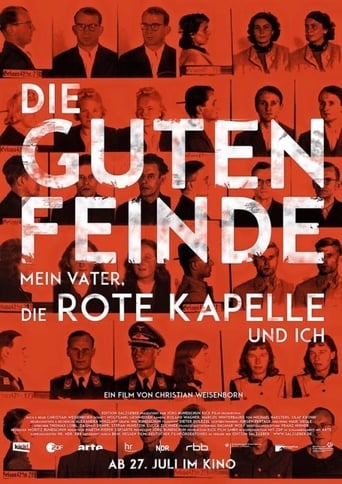
Die guten FeindeDie guten Feinde · 2017
Die guten Feinde
7.32017
MovieDocumentary
An intimate quest by a son to understand the identity of his father; a look back at the Berlin of the 30s and a special group of friends who loved life and, in the darkest hours of German history, ultimately chose good over evil.
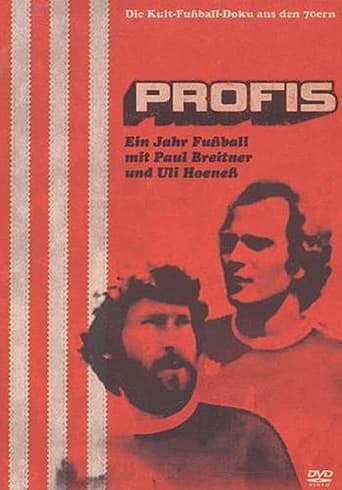
ProfisProfis · 1979
Profis
1979
MovieDocumentary
Es war einmal, vor vielen Jahren, da begab es sich, daß der heute so ruhmreiche FC Bayern zu Beginn der neuen Saison ziemlich miserabel dastand: Der Kaiser war fort, kein neuer Pokal schmückte die Trophäensammlung, und statt Harmonie und vollen Konten drückten Frust und Schulden die Stimmung. Und justament während dieser für den Verein so wichtigen Bundesligarunde 1978/79 konnten die Filmemacher Christian Weisenborn und Michael Wulfes die damals noch aktiven Spieler Paul Breitner und Uli Hoeneß dazu überreden, sich eine Saison lang von ihnen mit der Kamera begleiten zu lassen.
Die ScooterfahrerDie Scooterfahrer · 1988
Die Scooterfahrer
1988
MovieDocumentary
In the north of the Philippines lies the area of Banaue, known for its rice cultivation. Roger lives here in a small village. Roger is thirteen and has five brothers and sisters. As the oldest, he is responsible for the daily firewood. To get this, Roger sets off into the mountains every other day. At seven in the morning, they start. A truck takes Roger and his four friends out into the steep, forested slopes above the rice terraces. With them on the back of the truck are the 'scooters', homemade wooden scooters with which the firewood is driven down to the valley. Once they reach the top, they cut down smaller logs, chop them up and pack their scooters full of them. After this strenuous work, the great fun begins. On bumpy paths and at breakneck speed, they make their way back to the village. Races and tricks are part of the fun, of course.
I am My Films, Part 2... 30 Years LaterI am My Films, Part 2... 30 Years Later · 2010
I am My Films, Part 2... 30 Years Later
2010
MovieDocumentary
Christian Weisenborn and Werner Herzog know each other for more than 40 years. His first film on Werner Herzog "I am my films" (1976-78) covered Herzog's beginning as a filmmaker, the new film is a sequel titled "I am my films, part 2 - 30 years later" in which Weisenborn talks about Werner Herzog as a documentarian of the past 30 years.
The Traitors' Children - Sons and Daughters of the ResistanceThe Traitors' Children - Sons and Daughters of the Resistance · 2014
The Traitors' Children - Sons and Daughters of the Resistance
2014
MovieDocumentary
On 20 July 1944, an assassination attempt was made on the life of Adolf Hitler; its failure and that of the coup d'état planned to follow, Operation Valkyrie, lead to the arrest and execution of thousands of people. In his film, "The Traitors' Children", Christian Weisenborn presents harrowing encounters with the children of the executed conspirators, while also taking a look at his own family history. His parents belonged to a group of anti-fascists, which the Gestapo called the "Rote Kapelle" (the red chapel). Weisenborn's parents survived, but 52 of their friends were hanged in Plötzensee in 1942/43. Weisenborn also interviewed their sons and daughters.
Communism: History of an IllusionCommunism: History of an Illusion · 2006
Communism: History of an Illusion
2006
SeriesDocumentary
It started with Lenin and ended with Gorbachev. In this three-part documentary we highlight the people and events that played key roles in the rise of a revolutionary idea and the fall of an empire. How was it possible that this idea could fascinate so many people, including hundreds of intellectuals? How did so many thousands of people put up with suppression, indignity and economic hardship and still remain true to the fundamental concepts of communism?

More Like This

Rate this film

Your ratings make Midnight smarter