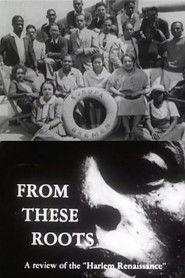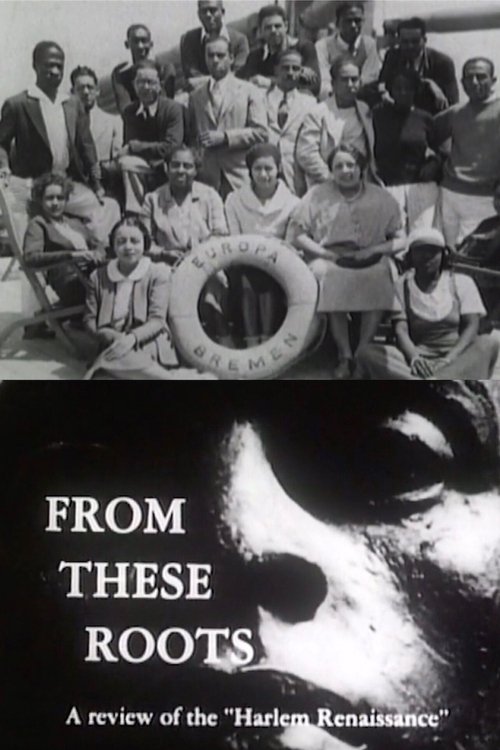
From These Roots
1974 · 30 min · ★ 8.0 · Documentary
Explores the extraordinary artistic, cultural and political flowering that took place in Harlem during the "Roaring 20s." This vivid portrait of the "Harlem Renaissance" is created entirely with period photographs.
Directed by William Greaves
Your Rating
More from William GreavesSee all →
 The Dikes · 1955
The Dikes
★ 10.01955
MovieDocumentary
A look at the destruction that follows the breaking of long-neglected dikes and the measures being taken to prevent future problems.
 Nationtime: Gary · 1972
Nationtime: Gary
★ 8.01972
MovieDocumentary
A report on the National Black Political Convention held in Gary, Indiana, in 1972, a historic event that gathered Black voices from across the political spectrum, among them Jesse Jackson, Dick Gregory, Coretta Scott King, Richard Hatcher, Amiri Baraka, Charles Diggs, and H. Carl McCall.
 Voice of La Raza · 1971
Voice of La Raza
★ 8.01971
MovieDocumentary
Produced by the Equal Employment Opportunity Commission, this film traces the ongoing struggle for equality by the Spanish-speaking residents of the United States. Through a fictitious scenario and real discussions with a range of individuals, including local business leaders, parents, and student activists, the film explores job discrimination and the resulting hardships within the Hispanic community. Many of the interviews are conducted by actor Anthony Quinn, who relates his own family's struggles as Mexican immigrants in East Los Angeles.
 The Fight Never Ends · 1948
The Fight Never Ends
★ 8.01948
MovieCrimeDrama
Joe Louis, portraying himself, is a good influence on a group of Harlem youths who are tempted to "go bad" by a gangster known as Caper, an older brother of one of the youths.
 The Fighters · 1974
The Fighters
★ 8.01974
MovieDocumentary
Documentary about Ali's rise to glory, beginning with his "Cassius Clay" days back in Louisville.
 Miracle in Harlem · 1948
Miracle in Harlem
★ 7.51948
MovieRomanceMystery
A crooked real estate tycoon tricks a trusting young woman out of her small candy store. When he is found dead, the girl is suspected of the crime.
 Still A Brother: Inside the Negro Middle Class · 1968
Still A Brother: Inside the Negro Middle Class
★ 7.01968
MovieDocumentary
The Black middle class, torn between white goals and Black needs, are examined by producers William Greaves and William Branch in a 90-minute NET Journal documentary.
 The First World Festival of Negro Arts · 1966
The First World Festival of Negro Arts
★ 7.01966
MovieDocumentary
"This documentary film covers a 24-day arts festival in Dakar, Senegal that highlighted Black contributions to the cultural heritage of mankind and was attended by an extraordinary cast of over 2,000 luminaries - including Duke Ellington, Langston Hughes, Alvin Ailey, Aime Cesaire, and Leopold Senghor - from dozens of countries. The film depicts performances by African and American entertainers and shows various works of art while also providing unparalleled insight from the perspective of the African American delegation. The film was written and directed by William Greaves" (US National Archives).
 Islands of the Frozen Sea · 1958
Islands of the Frozen Sea
★ 7.01958
MovieDocumentary
This short documentary offers a look at the life forms on the Queen Elizabeth Islands within the Arctic Circle. Even in this frigid zone of icebergs and glaciers a surprising variety of wildlife and vegetation is seen. Writings from the logbooks of early explorers provide vivid descriptions of scenes as arresting to them in their century as to today's explorer. Note: Originally produced for the television series Perspective, this film was distributed separately on 16mm for schools and libraries, qualifying it as a standalone documentary.
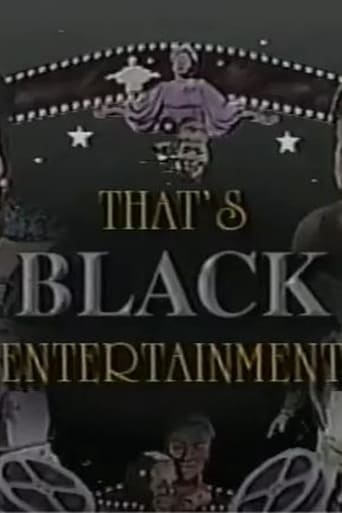 That's Black Entertainment · 1989
That's Black Entertainment
★ 7.01989
MovieDocumentary
This documentary presents clips from black films from 1929 through 1957.
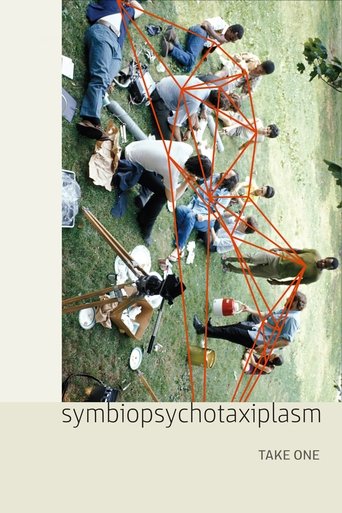 Symbiopsychotaxiplasm: Take One · 1968
Symbiopsychotaxiplasm: Take One
★ 6.81968
MovieDocumentary
In Manhattan's Central Park, a film crew directed by William Greaves is shooting a screen test with various pairs of actors. It's a confrontation between a couple: he demands to know what's wrong, she challenges his sexual orientation. Cameras shoot the exchange, and another camera records Greaves and his crew. Sometimes we watch the crew discussing this scene, its language, and the process of making a movie. Is there such a thing as natural language? Are all things related to sex? The camera records distractions - a woman rides horseback past them; a garrulous homeless vet who sleeps in the park chats them up. What's the nature of making a movie?
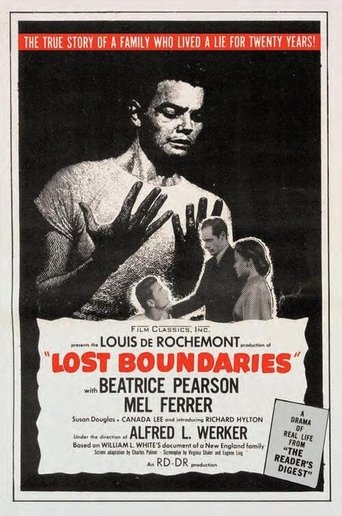 Lost Boundaries · 1949
Lost Boundaries
★ 6.61949
MovieDrama
A light-skinned African-American family are "passing" in an all-white New England town. When the truth comes out, the more prejudiced neighbors demand their expulsion from the community.
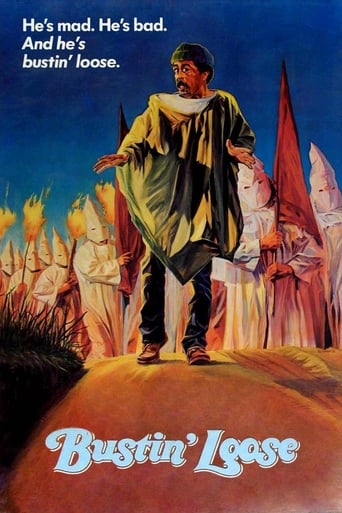 Bustin' Loose · 1981
Bustin' Loose
★ 6.21981
MovieComedyDrama
After ex-con Joe Braxton violates his probation, he is given a second chance. All he has to do is drive a group of special kids across the country.
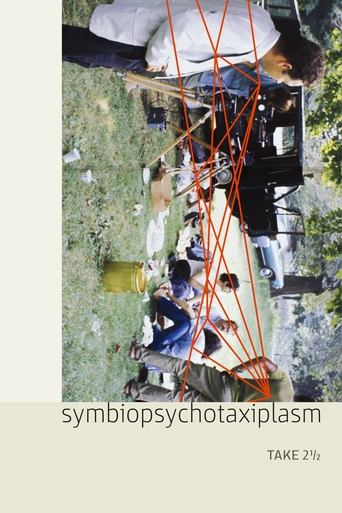 Symbiopsychotaxiplasm: Take 2½ · 2005
Symbiopsychotaxiplasm: Take 2½
★ 5.92005
MovieDocumentary
A movie about making movies about making movies. In 1968, William Greaves shot several pairs of actors in a scene in which a woman confronts her husband and ends their relationship. In "Take 2 1/2," Greaves starts with 1968 takes of one of these pairs of actors plus footage of the crew discussing the film's progress. Then, 35 years later, Greaves brings back to Central Park those actors and some of the original crew (plus others) to film a reunion of the characters Alice and Freddie. We watch scenes of these characters and discussions among the actors and crew. Greaves explores and dramatizes the dialectic in the creative process.
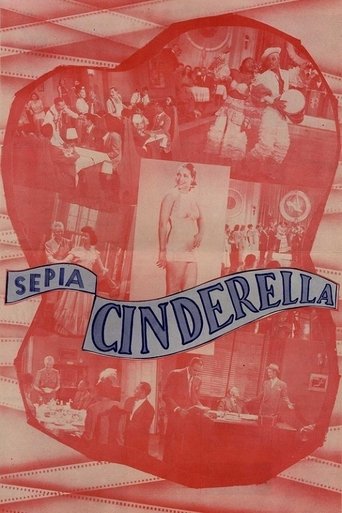 Sepia Cinderella · 1947
Sepia Cinderella
★ 5.21947
MovieRomance
A struggling songwriter abandons his girlfriend for a flashy woman after landing a hit.
 Black Journal: 26; Alice Coltrane · 1970
Black Journal: 26; Alice Coltrane
★ 5.01970
MovieDocumentaryMusic
In this intimate portrait—produced for a segment of National Education Television's "Black Journal" television program—legendary jazz musician Alice Coltrane plays the harp and discusses her thoughts on music, spirituality, family, and the legacy of her late husband, John Coltrane.
More Like This
Couldn't load this row right now.